
TrueInsight
Siemens/Altair Channel Partner
Menu



Engineering Software for Robotics and Autonomous Systems
Design, simulate, and optimize robotic systems using industry-leading tools from Siemens and Altair.
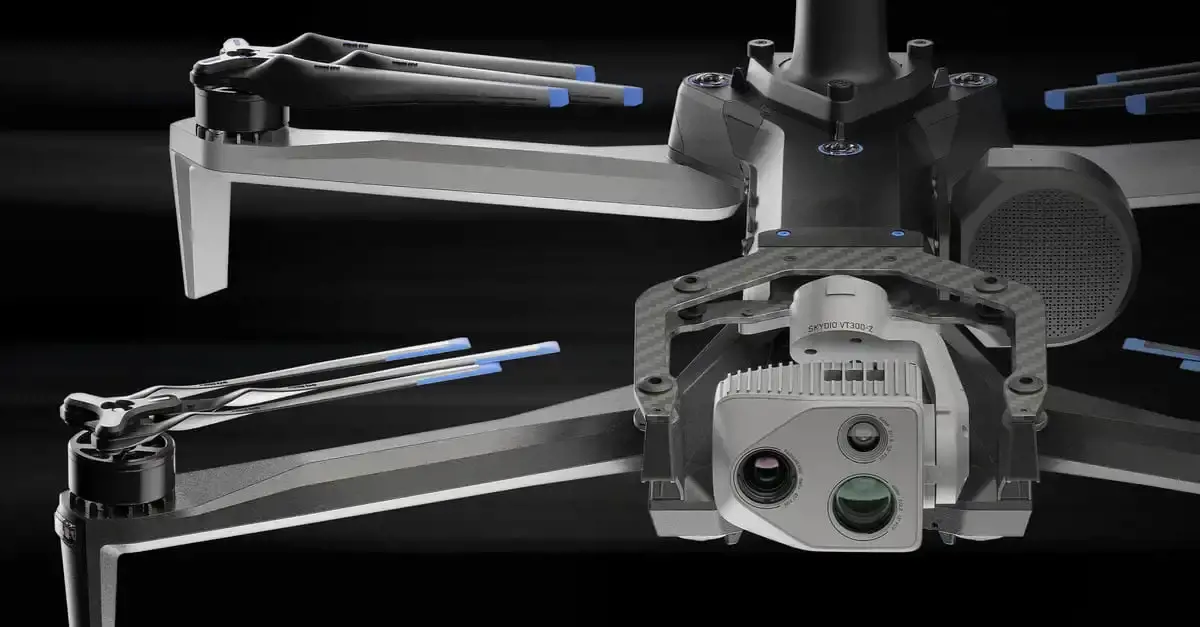
Engineering Capabilities for Robotics
Powerful engineering technologies that enable faster development and optimization of robotic systems.
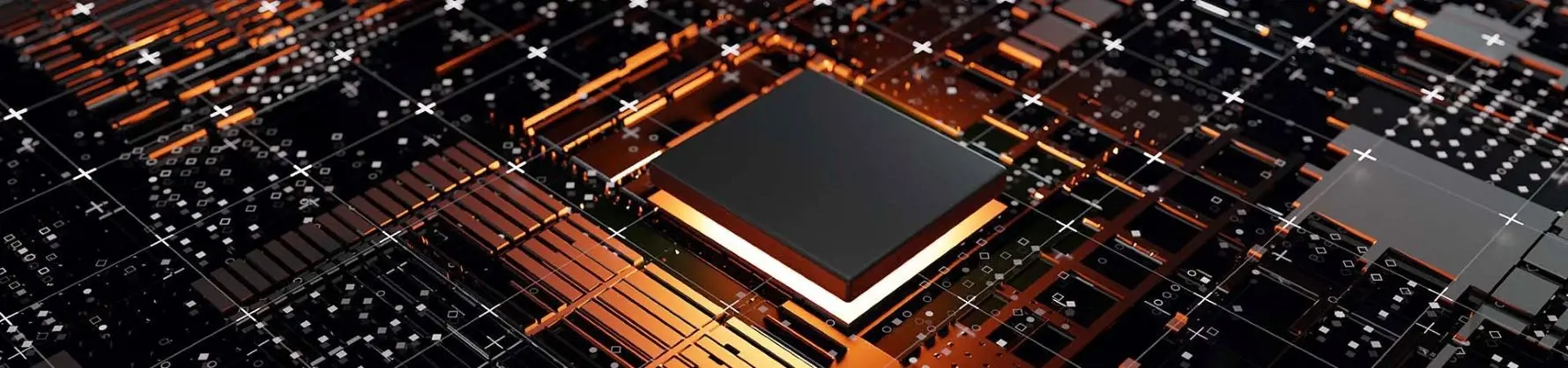
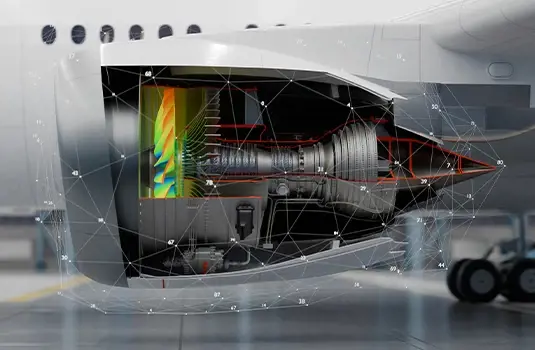
Multiphysics Simulation
Simulate interactions between mechanical, thermal, electrical, and fluid systems in robotic platforms.
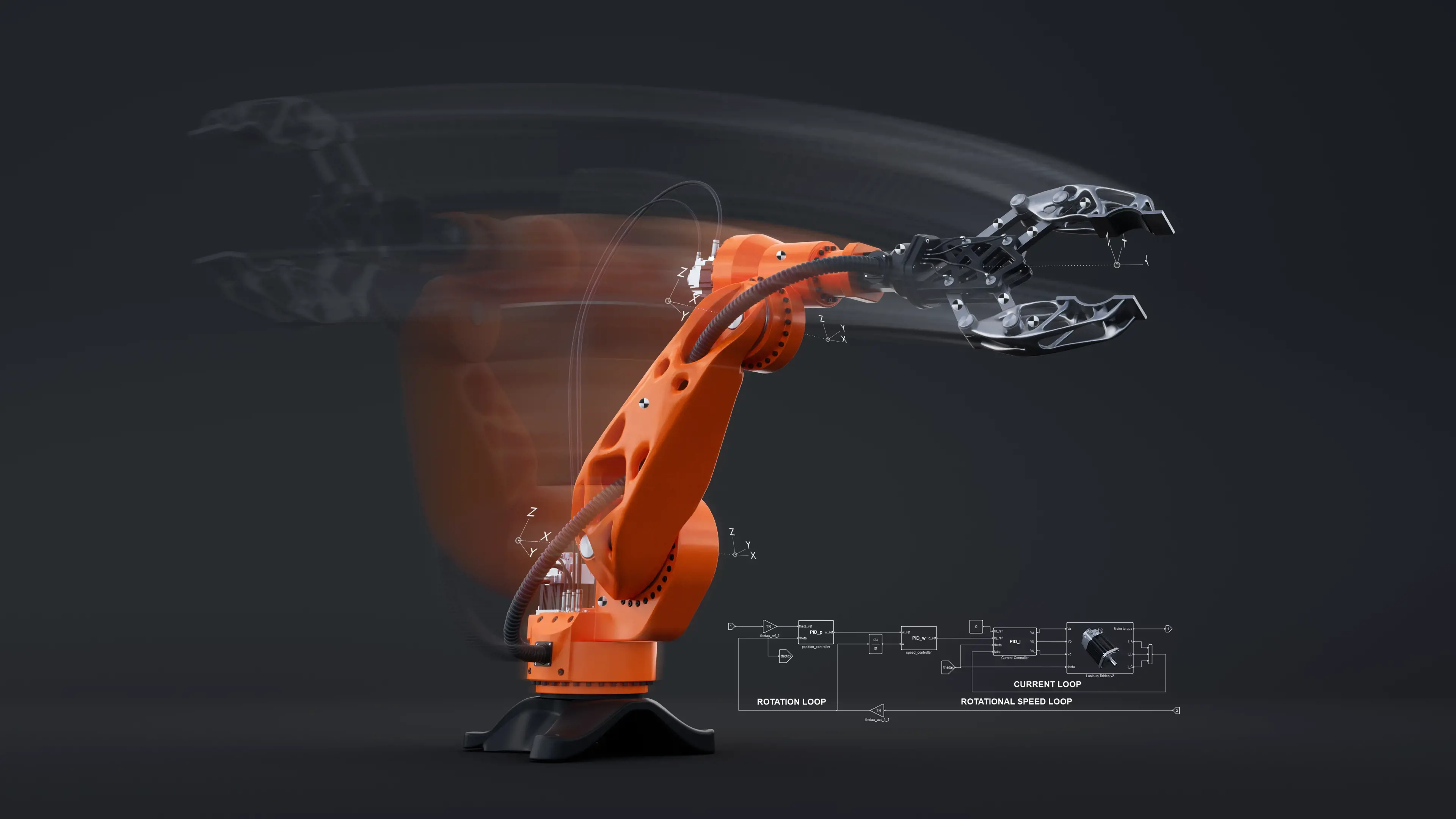
Motion and Multibody Dynamics
Analyze kinematics, actuator loads, and dynamic behavior of robotic mechanisms.
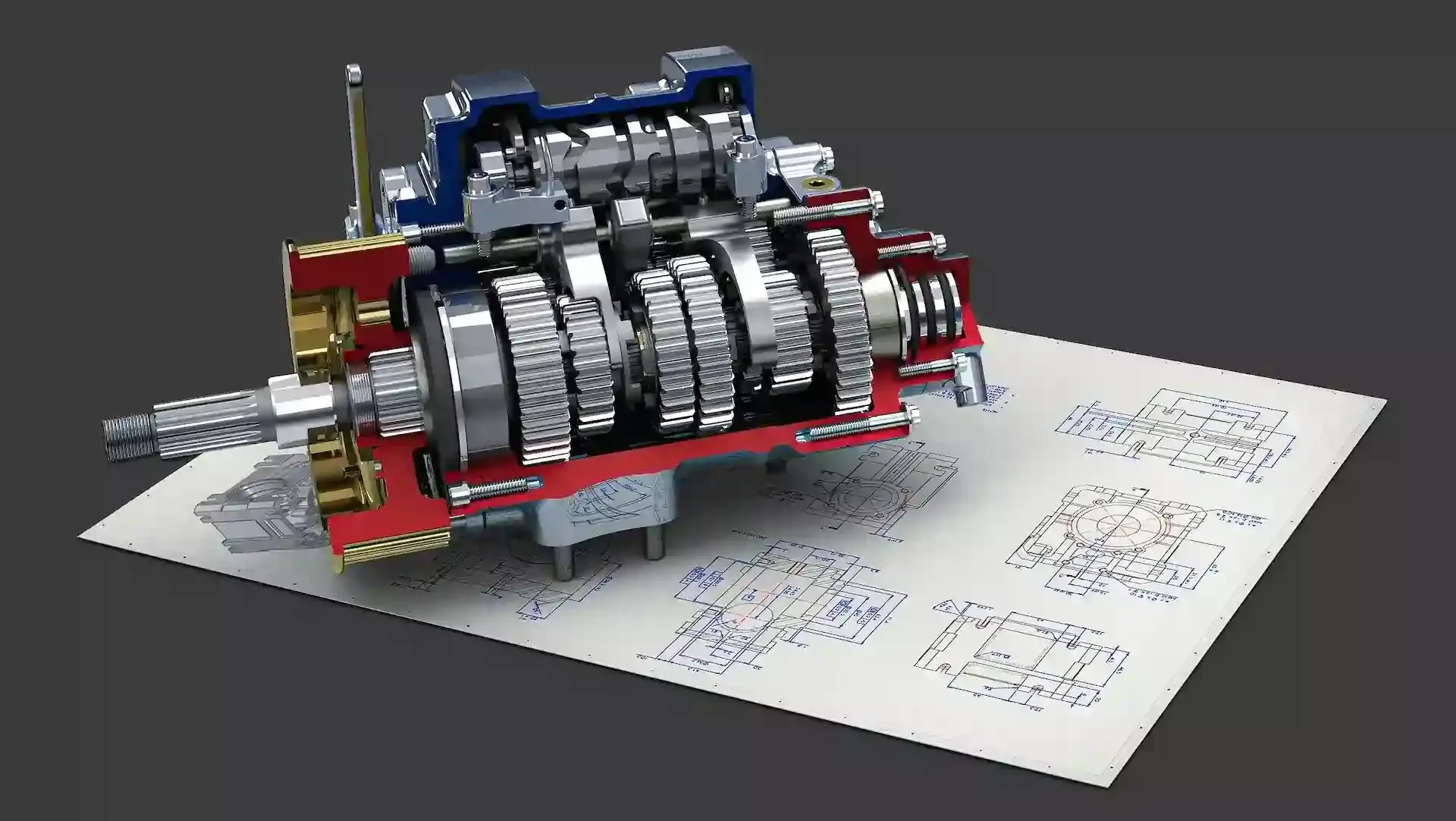
Electromagnetic Simulation
Design motors, sensors, antennas, and EMC-compliant electronic systems.
Additive Manufacturing Optimization
Optimize lightweight robotic structures with topology optimization and additive manufacturing simulation.

System Modeling
Develop and validate complete robotic systems including controls and embedded systems.

CFD for Robotics Cooling
Simulate airflow and thermal management for motors, electronics, and power systems.
Robotics Applications
Engineering software used to design and simulate robotic systems across multiple industries.
Autonomous Drones (UAVs)
Design lightweight aerial systems, simulate aerodynamics, and optimize drone performance.
Industrial Robotics
Develop robotic arms and automation systems for advanced manufacturing.
Mobile Robots and AGVs
Design autonomous ground vehicles used in logistics and warehouse automation.
Defense and Security Robotics
Simulate unmanned systems used in surveillance, inspection, and autonomous missions.
Robotics Electronics and Sensors
Design motors, control systems, and embedded electronics for robotic platforms.
Key Technologies for Robotics Development
Explore the engineering technologies used to design, simulate, and manufacture modern robotic systems.
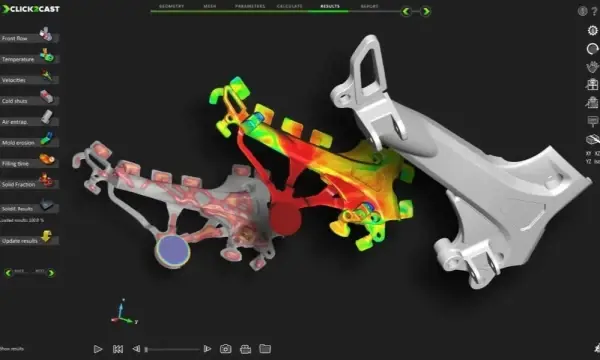
Digital Twin
Simulate and monitor real-world robotic systems using digital replicas that connect design, simulation, and operational data.
Know More →.webp)
Implicit Modeling
Design lightweight and complex geometries using advanced modeling techniques for simulation-driven product development.
Know More →Multiphysics Simulation
Analyze structural, thermal, fluid, and electromagnetic interactions to predict real-world behavior before building physical prototypes.
Know More →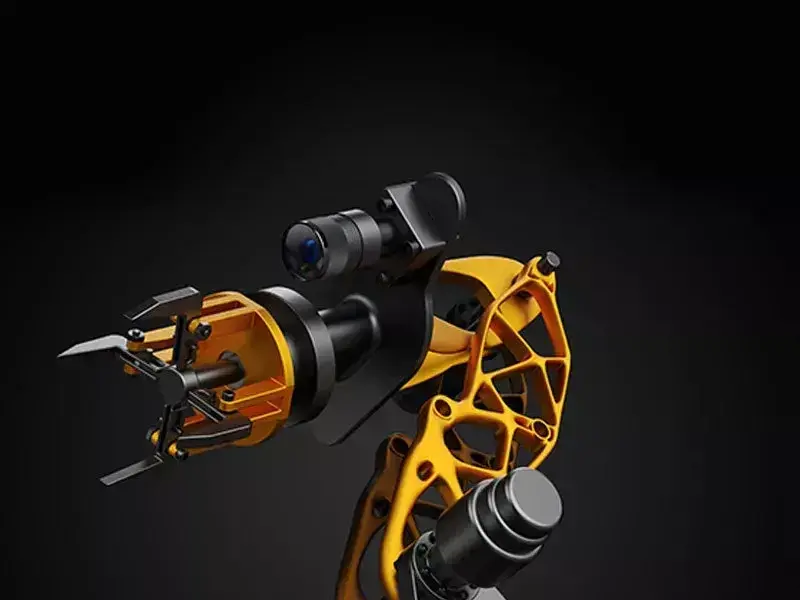
Manufacturing
Validate manufacturability and optimize production processes including casting, additive manufacturing, and forming simulations.
Know More →Multibody Dynamics
Model and simulate mechanical motion, system interactions, and control behavior in complex robotic mechanisms.
Know More →Robotics Development Workflow
Modern robotic systems are engineered through a combination of design, simulation, electronics, and manufacturing validation.

Concept Design
Create robotic structures and assemblies using advanced CAD tools.
Know Solid Edge →
Structural Optimization
Use topology optimization to reduce weight while maintaining structural performance.
Know Inspire Structures →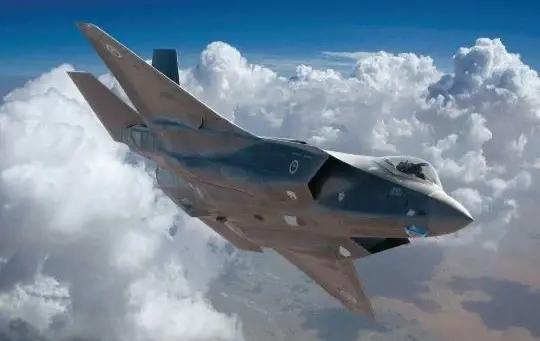
Multiphysics Simulation
Simulate structural, thermal, fluid, and electromagnetic interactions.
Multiphysics Simulation →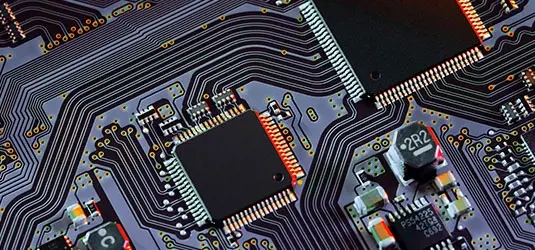
Electronics & Control Systems
Model motors, sensors, and embedded control systems.
Electronics & Control Systems →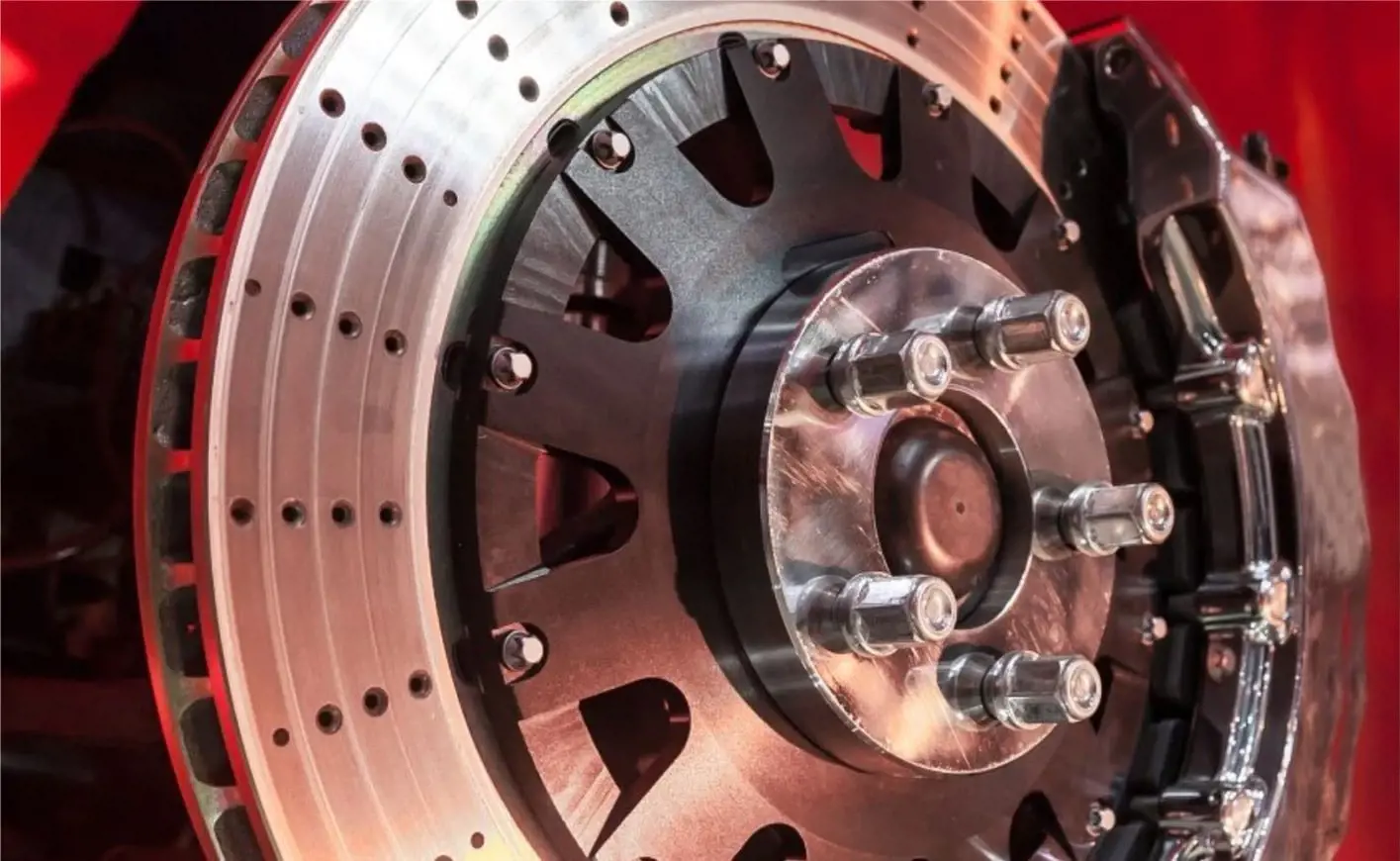
Manufacturing Validation
Validate manufacturability using additive and production simulations.
Manufacturing Validation →Robotics Engineering Software FAQ
Robotics systems are typically designed using advanced CAD, simulation, and system modeling tools. Platforms such as Siemens NX, Altair HyperWorks, SimSolid, and Star-CCM+ help engineers design, simulate, and optimize robotic mechanisms, electronics, and control systems.
Simulation allows engineers to test robotic systems virtually before building physical prototypes. By simulating structural behavior, thermal effects, fluid dynamics, and system motion, engineers can reduce development time and improve reliability.
A digital twin is a virtual representation of a physical robotic system. It combines simulation models, sensor data, and operational information to monitor performance, predict failures, and optimize system behavior in real time.
Robotic systems involve multiple physical domains such as mechanical motion, thermal management, fluid dynamics, and electromagnetics. Multiphysics simulation allows engineers to analyze these interactions simultaneously for more accurate system behavior.
Simulation helps engineers validate manufacturing processes such as additive manufacturing, casting, forming, and machining before production begins. This reduces manufacturing errors and improves production efficiency.
Robotics simulation tools are widely used in industries such as aerospace, automotive, defense, manufacturing automation, electronics, and medical robotics.
Drone design typically requires a combination of CAD, structural simulation, CFD, and electronics modeling tools. Platforms such as Siemens NX, Star-CCM+, Altair HyperWorks, and SimSolid allow engineers to design drone structures, simulate aerodynamics, analyze motors and electronics, and validate performance before building prototypes.
Find the Right Tools for Your Robotics Project
Discover the engineering software used to design, simulate, and optimize modern robotic systems, from concept design to manufacturing and system validation.