
TrueInsight
Siemens/Altair Channel Partner
Menu




PCB & EDA Verification Software for Design Accuracy
Altair PollEx helps engineers validate PCB designs, ensure manufacturability, and detect electrical and thermal issues before production.
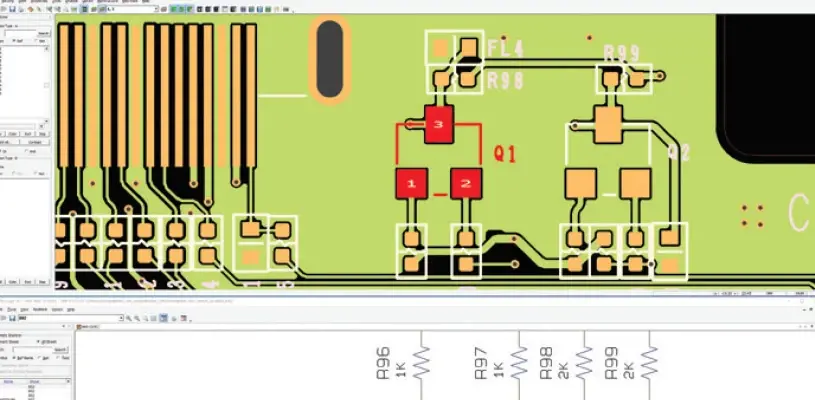
PCB Verification Platform
What is Altair PollEx?
A PCB and EDA verification platform for design review, analysis, and manufacturing readiness.
Altair PollEx enables engineering teams to review PCB layouts, schematics, Gerber data, and BOM information in a unified environment. It supports rule-based verification, electrical and thermal analysis, and helps detect manufacturability issues early improving collaboration across design and production workflows.
Key Features Of PollEx
Comprehensive PCB and EDA verification capabilities designed to improve design quality, ensure manufacturability, and streamline engineering workflows.
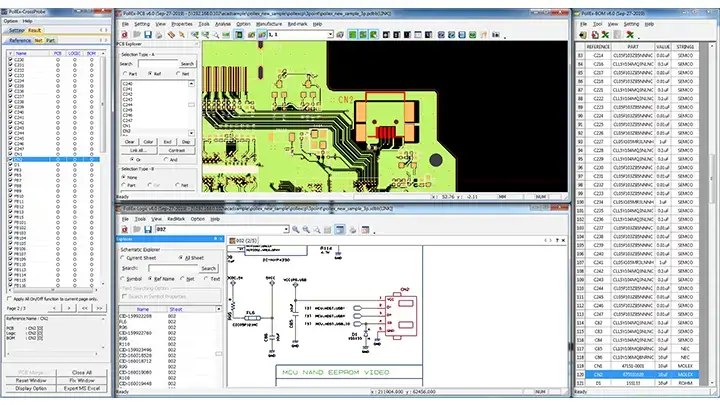
Cross-Platform ECAD Connectivity
PollEx supports major ECAD sources including Altium, Cadence, Autodesk EAGLE, Siemens EDA, Zuken, ODB++, IPC-2581, Gerber, and CAM350, making it useful in mixed-tool environments where PCB data needs to be reviewed and verified without depending on a single authoring system.
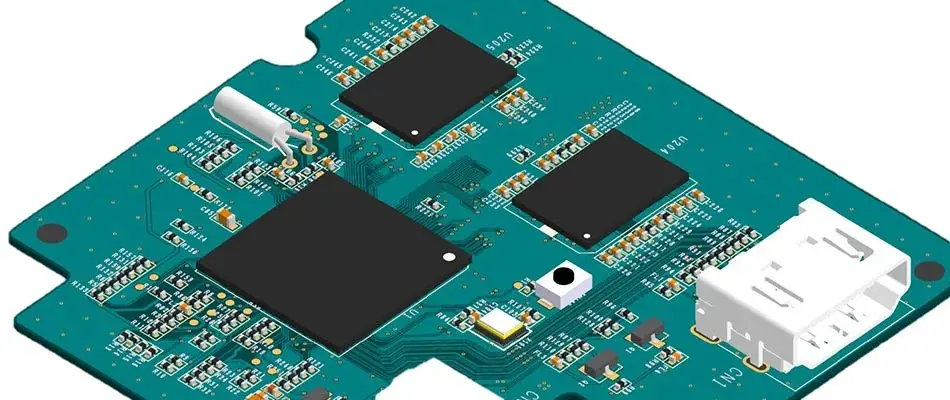
Rule-Based PCB Verification
PollEx includes rule-based verification for manufacturability, assembly, and electrical design quality, with DFM, DFA, DFE, and DFE+ workflows designed to catch faults early in the board development process.
Early PCB Analysis and Manufacturing Readiness
Beyond review and rule checks, PollEx supports signal integrity, power integrity, and board-level thermal analysis, while also providing manufacturing-oriented functions for paneling, mounting, test-point generation, solder quantity evaluation, and related downstream preparation.
Capabilities Of PollEx
A complete set of tools for PCB data review, validation, analysis, and manufacturing preparation across the entire design workflow.
Multi-Format PCB Data Import
PollEx can import PCB designs from major ECAD vendors as well as neutral formats such as ODB++ and IPC-2581, helping teams work across existing tool chains without rebuilding data.
PCB, Schematic, Gerber, and BOM Review
The suite supports review of PCB layouts, schematic designs, and Gerber data, along with comparison between PCB revisions, schematic revisions, and PCB, schematic, and BOM content.
Search, Query, Measure, and Markup Tools
PollEx PCB Modeler supports object query, search, measurement, net visualization, topology display, and Red-Mark style commenting so teams can review and communicate design issues directly on imported data.
DFM, DFA, DFE, and Logic DFE Checks
PollEx provides rule-based verification for manufacturing, assembly, and electrical engineering, including dedicated tools for DFM, DFA, DFE, DFE+, and Logic DFE. Official documentation also details hundreds of checking items across these categories.
Signal Integrity and Power Integrity Analysis
PollEx includes PCB electrical analysis capabilities for signal integrity and power integrity, including transmission line analysis, waveform and eye diagram analysis, crosstalk analysis, RLGC parameter extraction, PDN impedance outputs, and IR-drop related outputs.
Board-Level Thermal Analysis
PollEx supports board-level thermal analysis using FEM-based methods, including results for board contour, board top and bottom, and component junction temperature, with support for Joule heating of traces.
Material and Part Library Support
Analyses are supported by a built-in material library, and part properties can be drawn from Unified Part Libraries, helping standardize setup across verification and solver workflows.
Manufacturing Preparation and Data Output
Manufacturing-oriented capabilities include board paneling, mounting data extraction, mounting emulation, metal mask management, solder quantity calculation, test-point location generation, underfill path data creation, and export of fabrication, mounting, paneling, and testing data for downstream production use.
Reporting and Result Export
PollEx supports documentation and reporting workflows, including formatted Excel export of verification results and data outputs that can be used in downstream manufacturing and simulation processes.
Support & Services

Expert PollEx Support from TrueInsight
Hands-on onboarding, licensing guidance, and engineering support to accelerate your PCB verification workflows.
TrueInsight helps teams successfully adopt Altair PollEx with practical, engineering-driven support. As an official Altair partner with experience in Siemens EDA workflows, we provide product evaluation, guided demos, licensing assistance, onboarding, workflow setup, and early-stage troubleshooting—so teams can move faster from trial to production-ready verification processes.
Articles & Resources
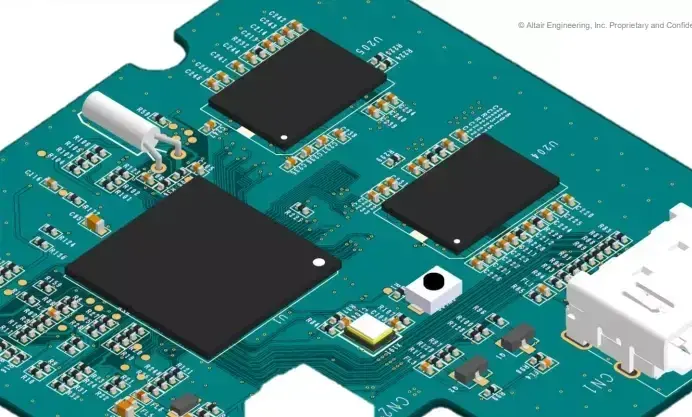
SIGNAL INTEGRITY ANALYSIS WITH ALTAIR POLLEX™ DDR DESIGN CASE
Altair PollEx Signal Integrity is applied to a DDR3 design case to identify signal quality problems early and improve voltage and timing margins through practical PCB changes such as termination, topology balancing, and stackup refinement.
Learn More →
Samsung SDI Saves Six Million USD Annually with Altair PollEx™
When Samsung SDI transitioned to the electronic materials business, several challenges surfaced that needed to be addressed. The company had to move from digital display control circuits to battery control circuits, requiring a different approach to new electronic designs and related printed circuit board (PCB) manufacturing technologies.
Learn More →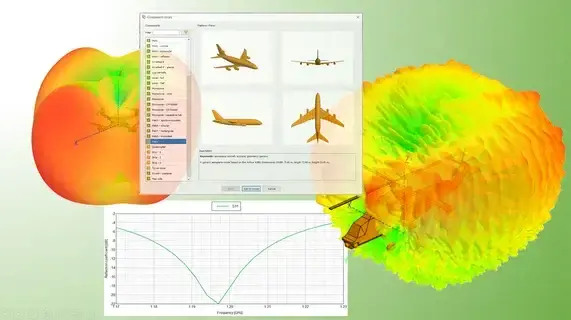
Altair Feko for EMI and EMC Analysis
Extends PCB verification into electromagnetic behavior, supporting EMI and EMC analysis for designs that require compliance and interference validation.
Explore Feko →
System Simulation & Electronics Engineering
Connects PCB verification with broader electronics workflows, including system-level simulation, signal behavior, and design validation across domains.
Explore capability →
Altair Solutions Portfolio
Explore the full Altair ecosystem to see how PCB verification integrates with simulation, data analytics, and multidisciplinary engineering workflows.
Explore Altair →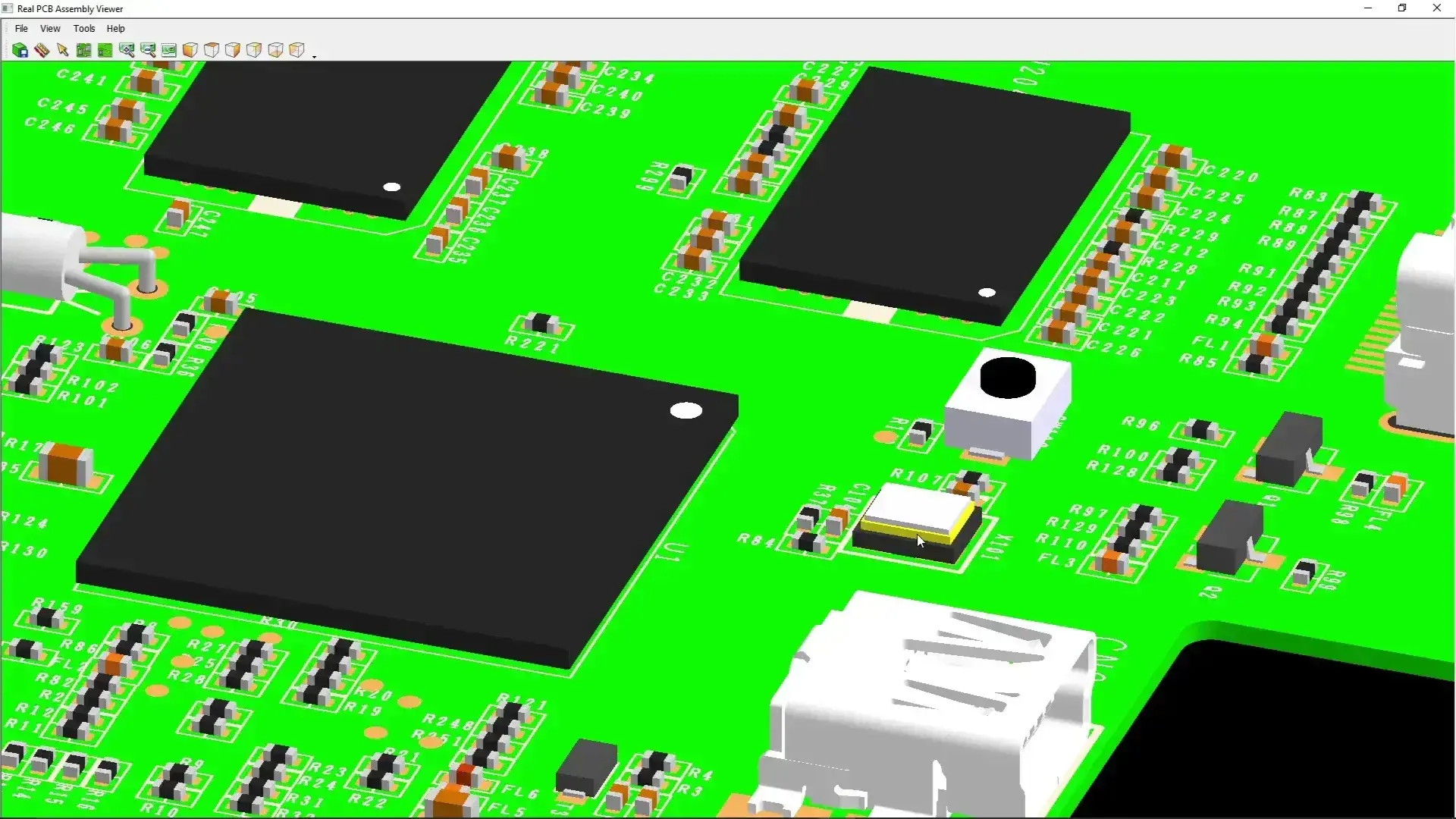
Using PollEx for DFM and PCB Verification
Breaks down how rule-based checks are applied to detect manufacturability and design issues early in PCB development.
Read Article →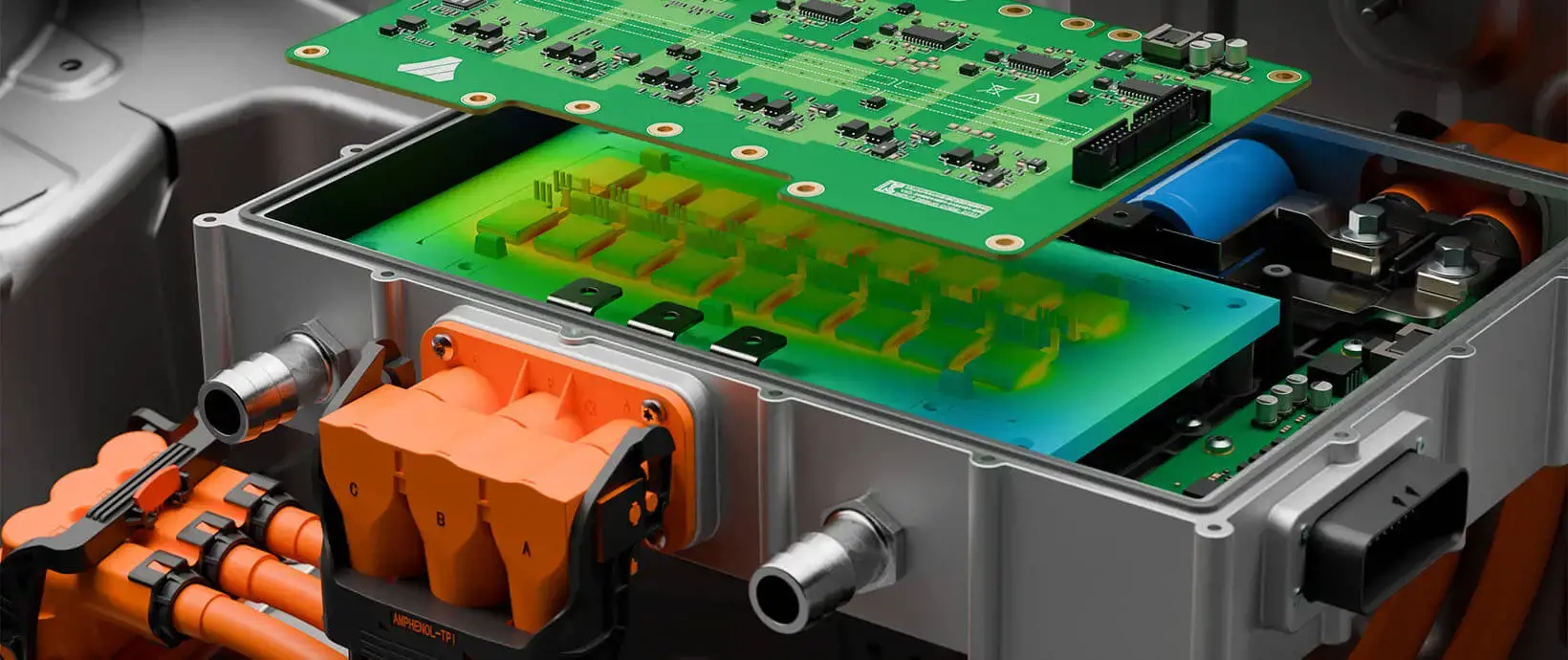
PCB Thermal Analysis with Altair
Explains how board-level thermal analysis supports reliable PCB performance and complements early-stage verification workflows.
Read Article →Frequently Asked Questions
It is used to review, verify, analyze, and prepare PCB designs for downstream engineering and manufacturing workflows. That includes PCB and schematic review, rule-based verification, SI and PI checks, thermal analysis, and manufacturing-oriented preparation.
No. PollEx is centered on PCB review, verification, analysis, and manufacturing support around imported design data. It is not positioned as a primary PCB layout authoring environment.
PollEx supports major ECAD and neutral formats including Altium, Cadence, Autodesk EAGLE, Siemens EDA, Zuken, ODB++, IPC-2581, Gerber, and CAM350.
Yes. PollEx includes dedicated verification workflows for DFM, DFA, DFE, DFE+, and Logic DFE, covering manufacturing, assembly, and electrical validation.
Yes. PollEx includes PCB solver capabilities for signal integrity, power integrity, and board-level thermal analysis.
Yes. PollEx includes manufacturing-focused tools for tasks such as paneling, mounting data extraction, mounting emulation, solder quantity calculation, test-point generation, and related fabrication or assembly data output.
Ready To Take The Next Step With PollEx?
Evaluate PollEx capabilities, optimize your workflows, and ensure design accuracy with expert support.