
TrueInsight
Siemens/Altair Channel Partner
Menu



Motor Sizing Calculator for Engineering Applications
Determine motor requirements for mechanical systems using practical calculations for torque, speed, and power demand.

What is a Motor Sizing Calculator?
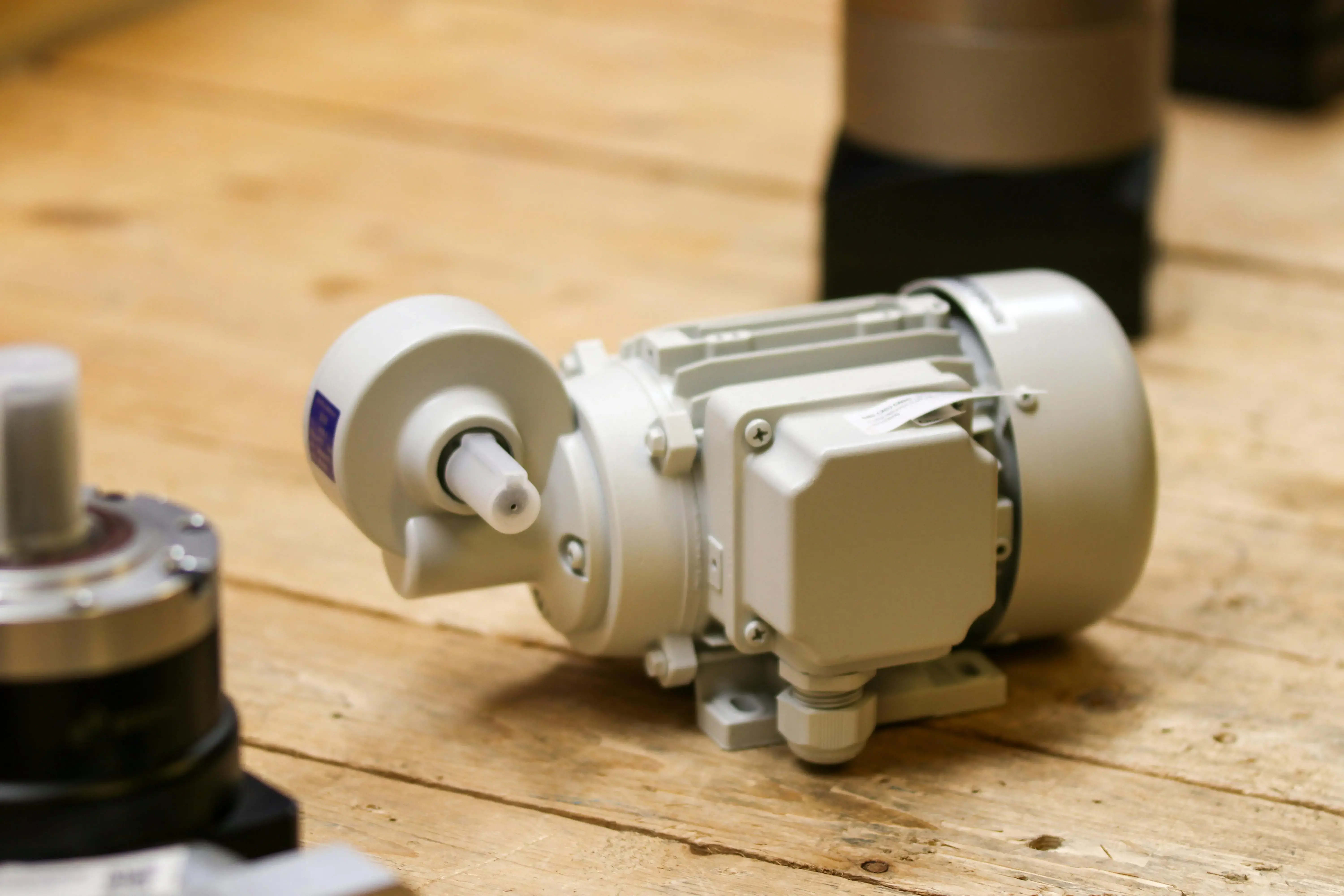
A motor sizing calculator helps engineers estimate the required motor capacity for a given mechanical load. It evaluates torque, rotational speed, and power needs to support motor selection and drive planning.
It is widely used in automation, machinery design, and industrial equipment development.
Motor Sizing Calculator
Key Features & Capabilities
Mechanical Load Estimation
Calculate torque and power requirements efficiently.
Motor Selection Support
Guide early-stage decisions for drive system design.
Practical Engineering Utility
Reduce guesswork during concept development.
Torque Calculations
Estimate force requirements for rotational systems.
Speed and Power Analysis
Determine motor output needs under operational loads.
Drive Planning Support
Assist in selecting compatible motors and controllers.
Workflow Benchmarking
Provide a technical baseline before system simulation.
Articles & Resources

Altair PSIM
Simulate motor drives, power electronics, and control strategies to complement early-stage motor sizing calculations with deeper performance analysis.
Explore PSIM →
Product Design Engineering
Support mechanical system development with engineering tools that improve design accuracy, component selection, and product performance.
Explore capability →
Engineering Simulation
Validate motor sizing assumptions through simulation workflows that model operational loads and system dynamics.
Explore capability →Frequently Asked Questions
Correct sizing ensures efficiency, reliability, and performance.
Yes. It can increase cost and reduce energy efficiency.
Absolutely. It supports early-stage machinery planning.
It provides baseline estimates; dynamic analysis requires simulation.
Mechanical, electrical, and automation engineers.