
TrueInsight
Siemens/Altair Channel Partner
Menu

Manufacturing Simulation & Process Validation
Predict production issues early and validate manufacturing processes before tooling, machining, or full-scale production.
Manufacturing Process Simulation
.webp)
What Is Manufacturing Analysis?
Evaluating manufacturability and production performance before physical manufacturing
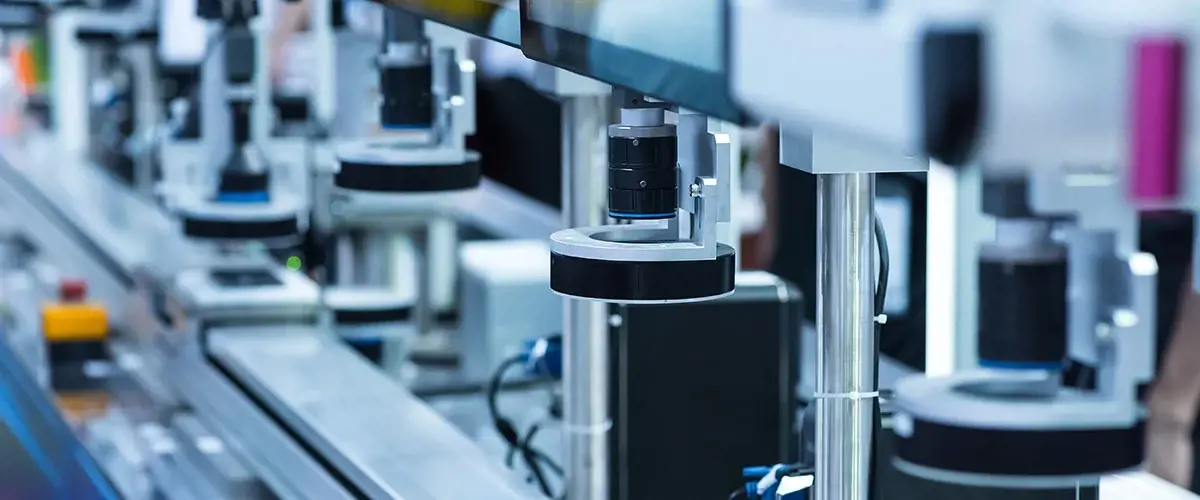
Manufacturing analysis is the engineering practice of evaluating manufacturability and production process performance using simulation and digital manufacturing software. Instead of relying on repeated shop-floor iterations, engineering teams run virtual studies to analyze filling behavior, material flow, deformation, warpage, porosity, thermal effects, or particle behavior depending on the manufacturing process. These insights allow engineers to optimize part design, tooling, and process parameters earlier in the development cycle.
Manufacturing Simulation Tools
TrueInsight supports manufacturing teams with advanced simulation tools from Altair and Siemens.
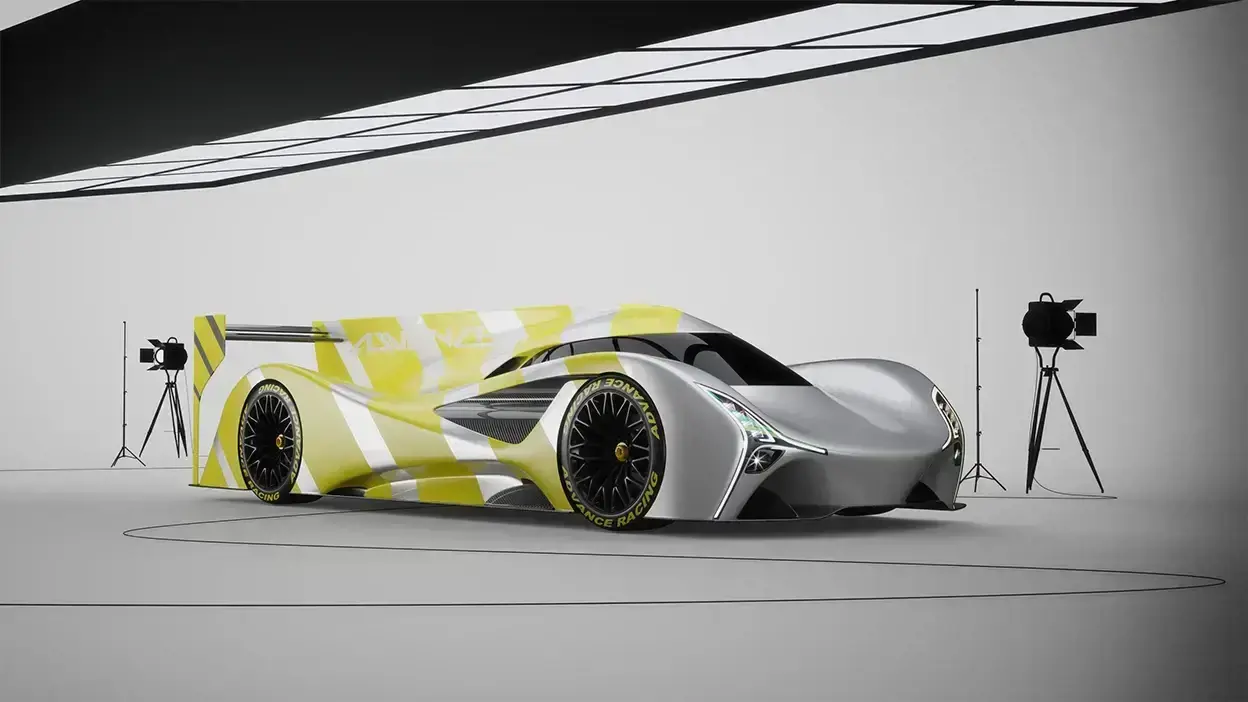
Altair Inspire Cast
Casting simulation software designed to visualize common defects such as air entrapment, shrinkage porosity, and cold shuts early in the design process.
Know more →_48956869.webp)
Altair Inspire Extrude
Extrusion simulation for metals and polymers that helps validate profile accuracy, surface quality, and tolerance risks before die manufacturing.
Know more →
Altair Inspire Form
Metal stamping simulation used to analyze formability, detect thinning or tearing risks, and reduce costly stamping tryouts.
Know more →
Altair EDEM
Discrete Element Method (DEM) simulation software used to analyze the behavior of bulk materials such as coal, ores, soils, powders, grains, and tablets in industrial processes.
Know more →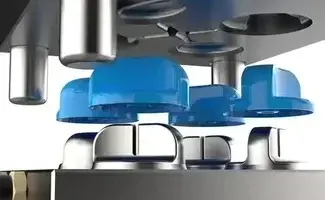
Altair Inspire Mold
Injection molding simulation to analyze filling, packing, cooling, and warpage while identifying defects such as weld lines, sink marks, and air traps.
Know more →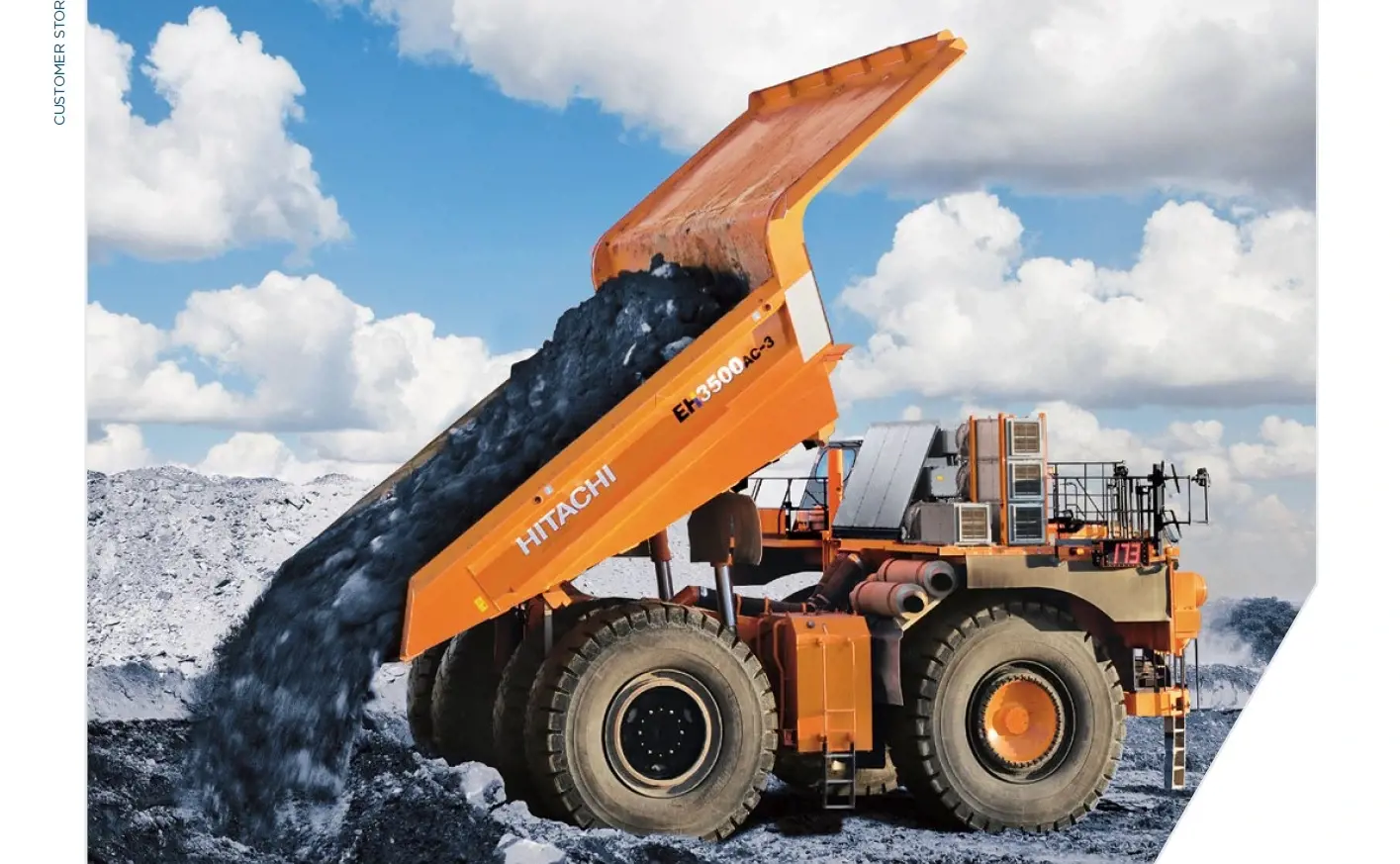
Altair Inspire Print3D
Additive manufacturing simulation used to detect printing defects such as distortion, overheating, and delamination while evaluating thermo-mechanical performance.
Know more →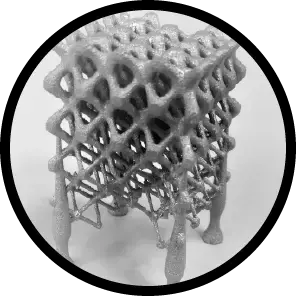
Altair Inspire PolyFoam
Polyurethane foam process simulation covering injection, filling, foaming, curing, and cooling to reduce defects like shrinkage and porosity.
Know more →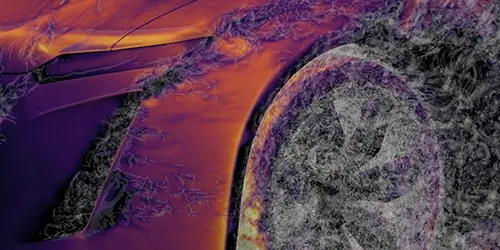
Siemens NX CAM
Integrated CAM software inside Siemens NX that enables engineers to move seamlessly from CAD design to machining programs, supporting everything from 2.5-axis milling to complex multi-axis toolpath programming and validation.
Know more →Why Choose TrueInsight
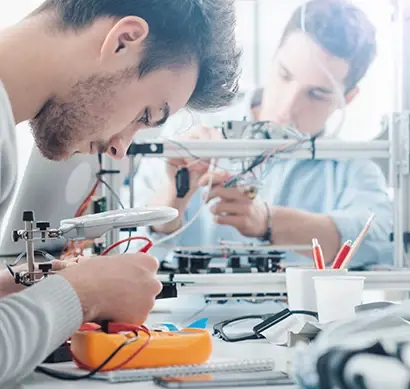
Access the Altair Engineering Ecosystem
Flexible licensing, cloud infrastructure, and an extended portfolio of engineering software.
TrueInsight provides engineering teams with access to the Altair ecosystem through flexible Altair Units licensing, the Altair One cloud platform, and the Altair Partner Alliance. Together, these solutions enable organizations to manage software, scale computing resources, and expand simulation capabilities across multiple engineering disciplines.
Frequently asked questions
Manufacturing analysis is the use of simulation and digital manufacturing software to predict how a part and production process will behave before physical manufacturing begins. Engineers use these tools to reduce defects, minimize scrap, and optimize production parameters early in development.
Structural FEA evaluates how a product behaves under loads, stresses, and environmental conditions. Manufacturing analysis focuses on how the product is produced, analyzing processes such as casting, stamping, injection molding, extrusion, or additive manufacturing to identify production defects and manufacturability risks.
Injection molding simulation typically uses tools such as Altair Inspire Mold, which allows engineers to analyze filling, packing, cooling, and warpage behavior. These simulations help identify defects like weld lines, sink marks, and air traps before molds are manufactured.
Yes. Tools like Altair Inspire Print3D allow engineers to simulate additive manufacturing processes, predicting issues such as distortion, overheating, and layer delamination while evaluating thermo-mechanical behavior during printing.
Bulk materials such as powders, grains, ores, and tablets are typically simulated using Discrete Element Method (DEM) software like Altair EDEM, which models particle behavior, flow, and interactions in industrial equipment and production systems.
Manufacturing simulation identifies defects, tooling problems, and process inefficiencies before production begins. By resolving issues virtually, companies reduce physical tryouts, minimize scrap and rework, and accelerate the transition from design to full-scale manufacturing.
Optimize Your Manufacturing Processes with Simulation
Discover how Altair and Siemens manufacturing tools can help your team predict defects, validate processes, and accelerate production.