
TrueInsight
Siemens/Altair Channel Partner
Menu



Altair HyperStudy Optimize Product Performance Faster
Evaluate multiple design scenarios, identify optimal solutions, and accelerate development using simulation-driven engineering.
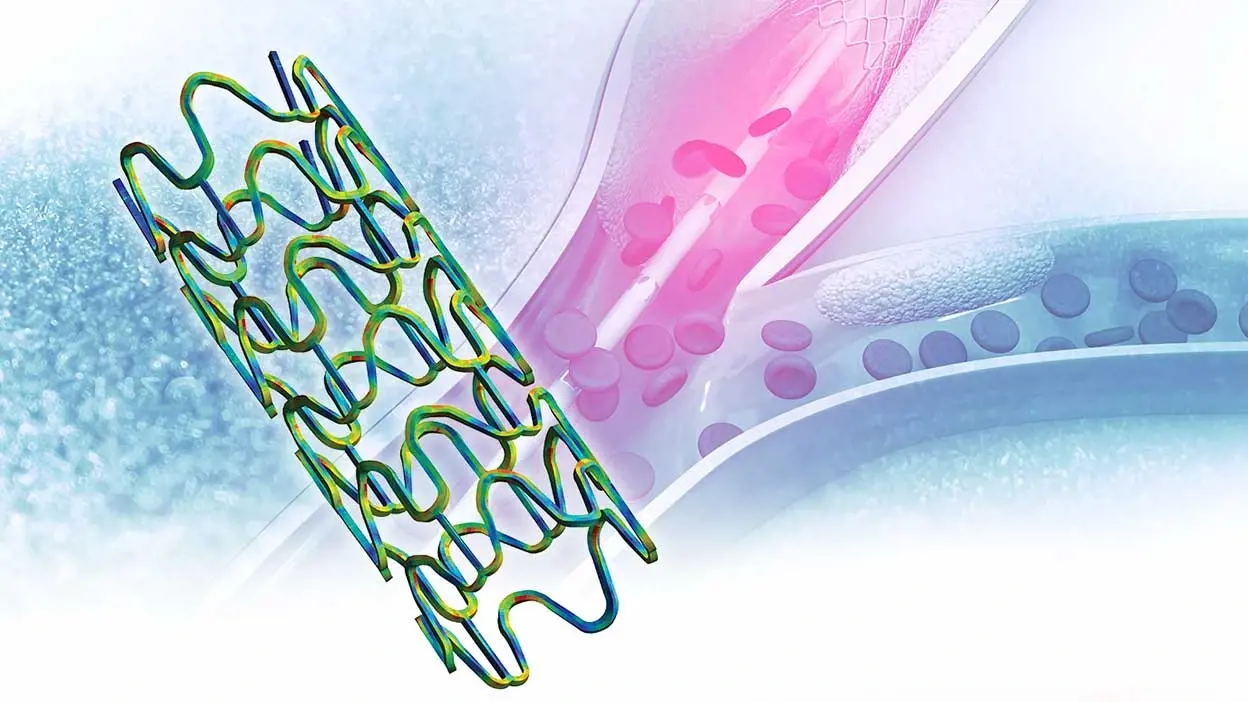
Design Optimization
Automated Design Optimization for Engineering Development
Evaluate hundreds of design alternatives and identify the best-performing solution before building prototypes.
Altair HyperStudy enables engineers to automate design exploration by analyzing multiple parameter combinations and performance trade-offs. Instead of relying on iterative trial-and-error workflows, teams can efficiently converge on optimal solutions based on structural, thermal, and performance criteria, accelerating development while improving product quality.
Why Engineering Teams Adopt Design Optimization
Identify better product configurations earlier in development and reduce costly design iterations.
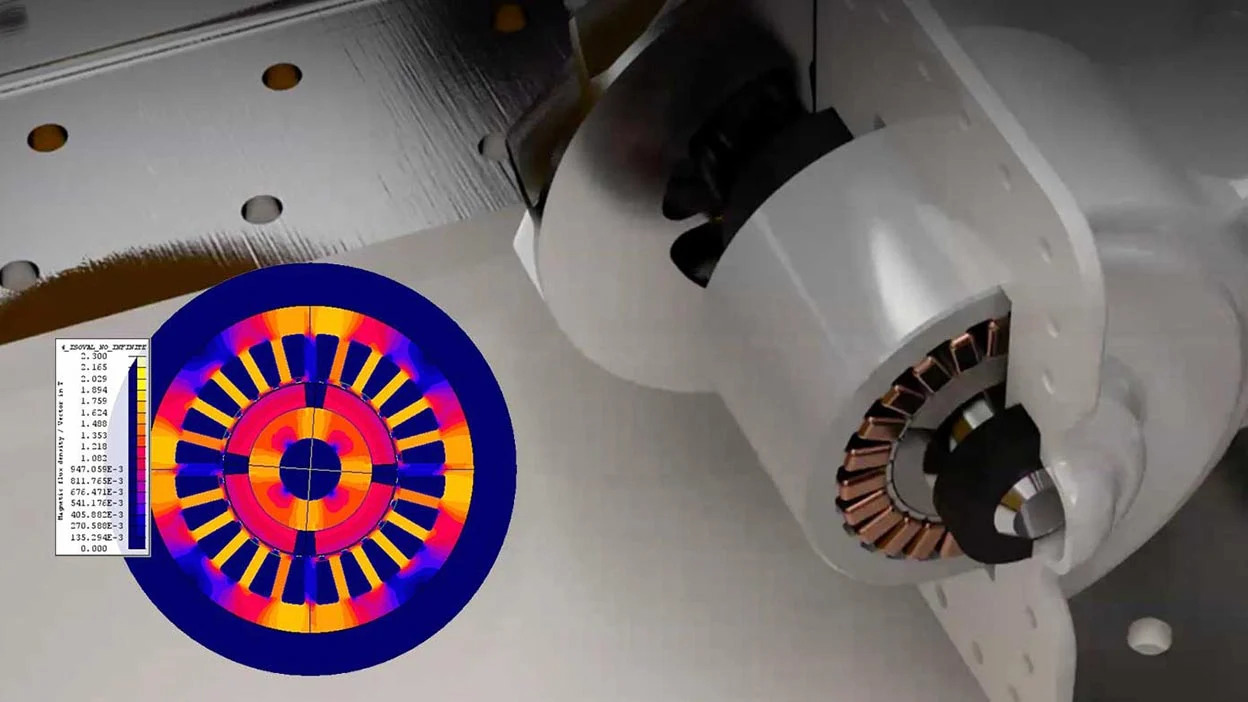
Improve Product Performance
Engineering teams can evaluate multiple design configurations and select the one that best meets structural, thermal or functional requirements instead of validating a single concept.
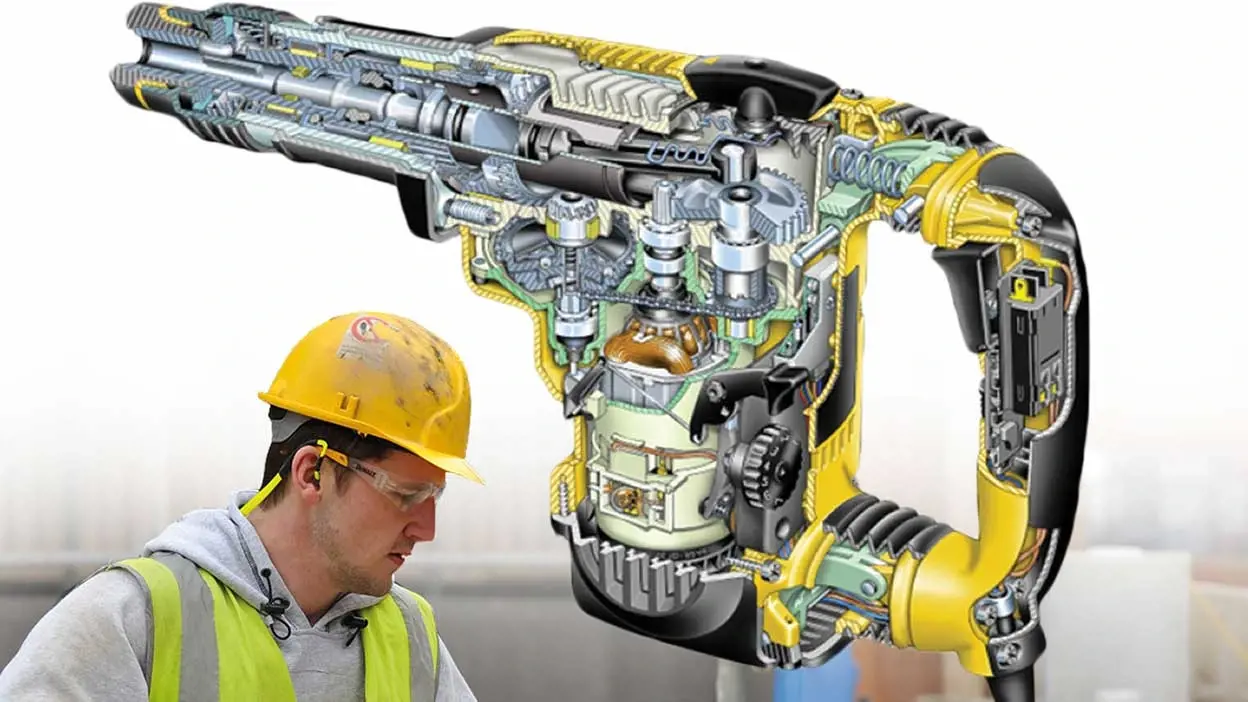
Reduce Development Time
By automatically exploring parameter combinations, optimization reduces manual iterations and shortens engineering cycles between design changes and validation.

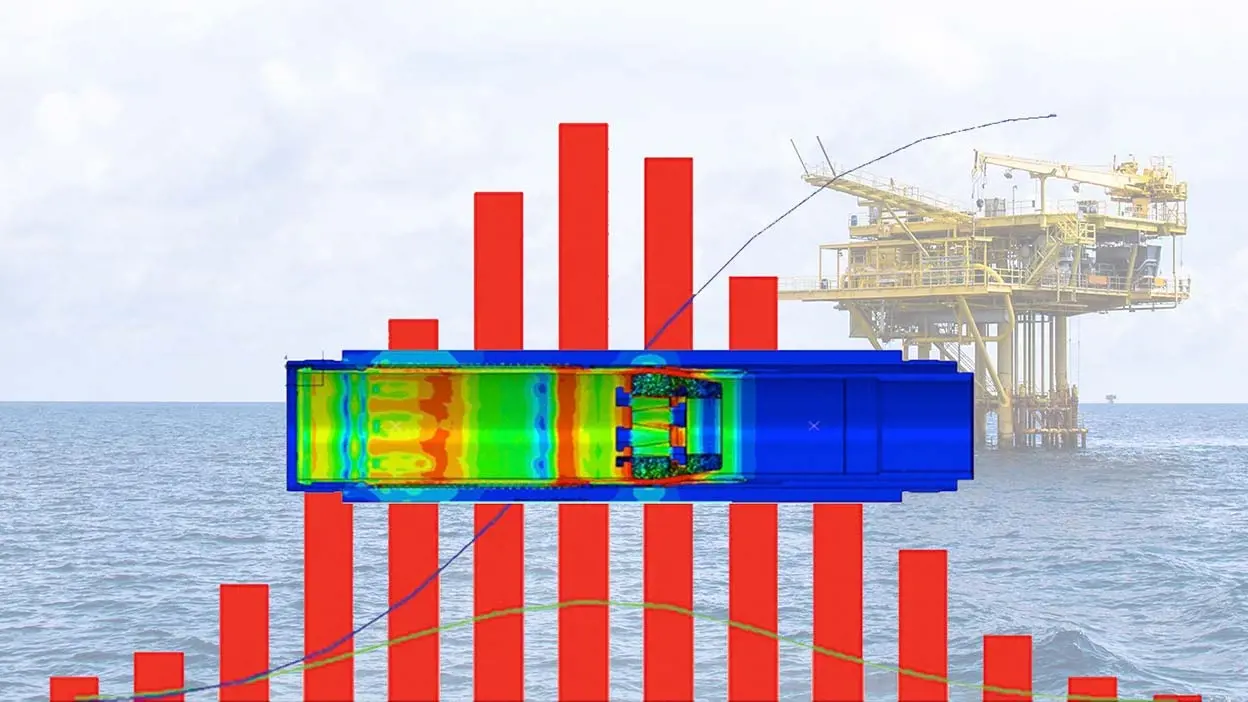
Make Informed Engineering Decisions
Engineers can visualize trade-offs between weight, strength, cost and performance, enabling objective decisions instead of relying on trial-and-error testing.
Simulation-driven methods to explore, compare and refine engineering designs.
Automatically evaluate design alternatives, understand performance trade-offs and converge toward an optimal configuration before physical prototyping.
Automated Design Exploration
Automatically varies geometric parameters, material properties and operating conditions to generate and analyze multiple design configurations without manual re-modeling.
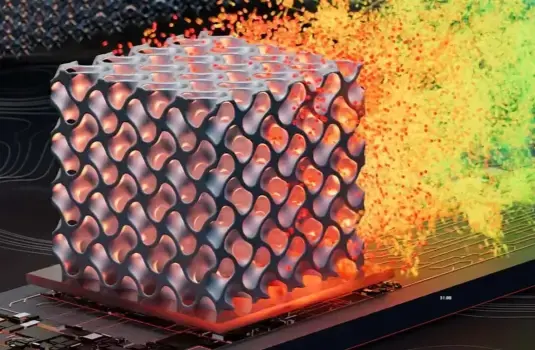
Design of Experiments (DOE)
Structured studies identify which variables most influence product behavior, helping engineers understand sensitivity and prioritize design improvements.
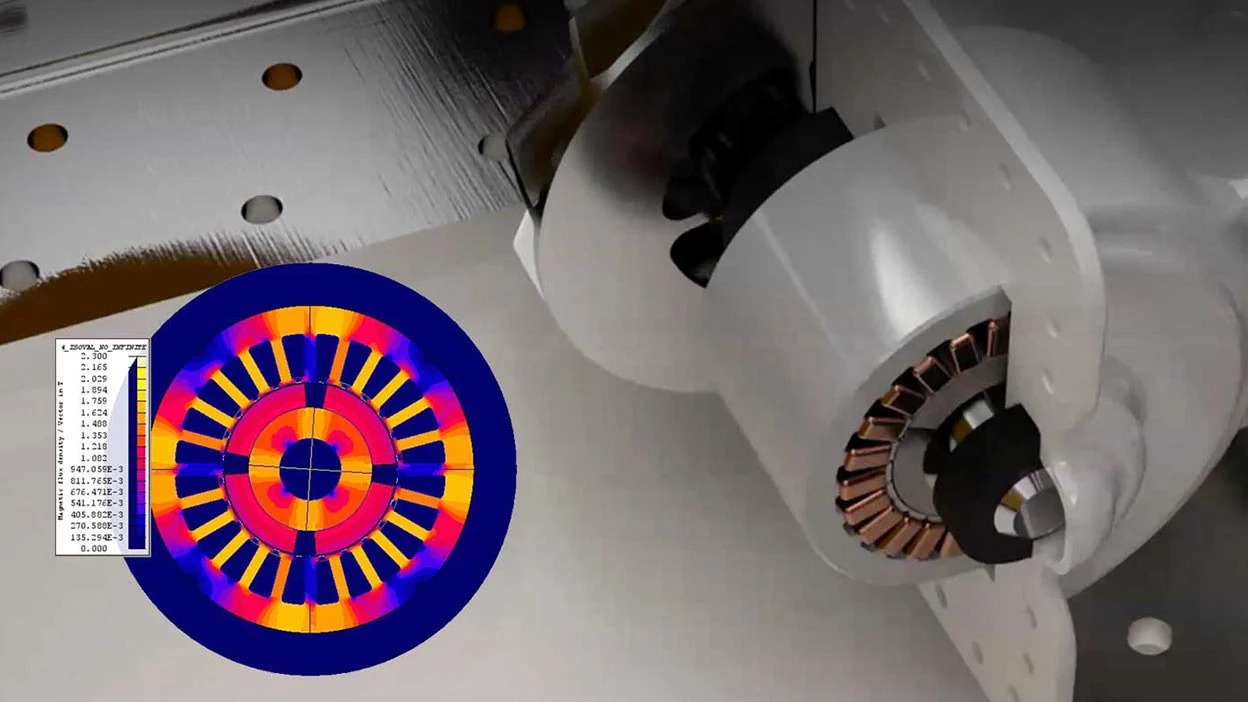
Performance Trade-Off Analysis
Compare competing objectives such as stiffness vs weight, cooling vs power consumption or strength vs material cost to identify balanced solutions.
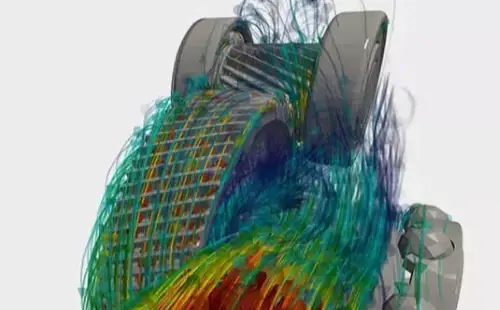
Multidisciplinary Optimization
Combine structural, thermal, vibration or flow simulation results into a single optimization process to evaluate realistic product performance.
Robustness & Reliability Studies
Evaluate how manufacturing tolerances, load variations and environmental conditions affect product reliability before physical testing.
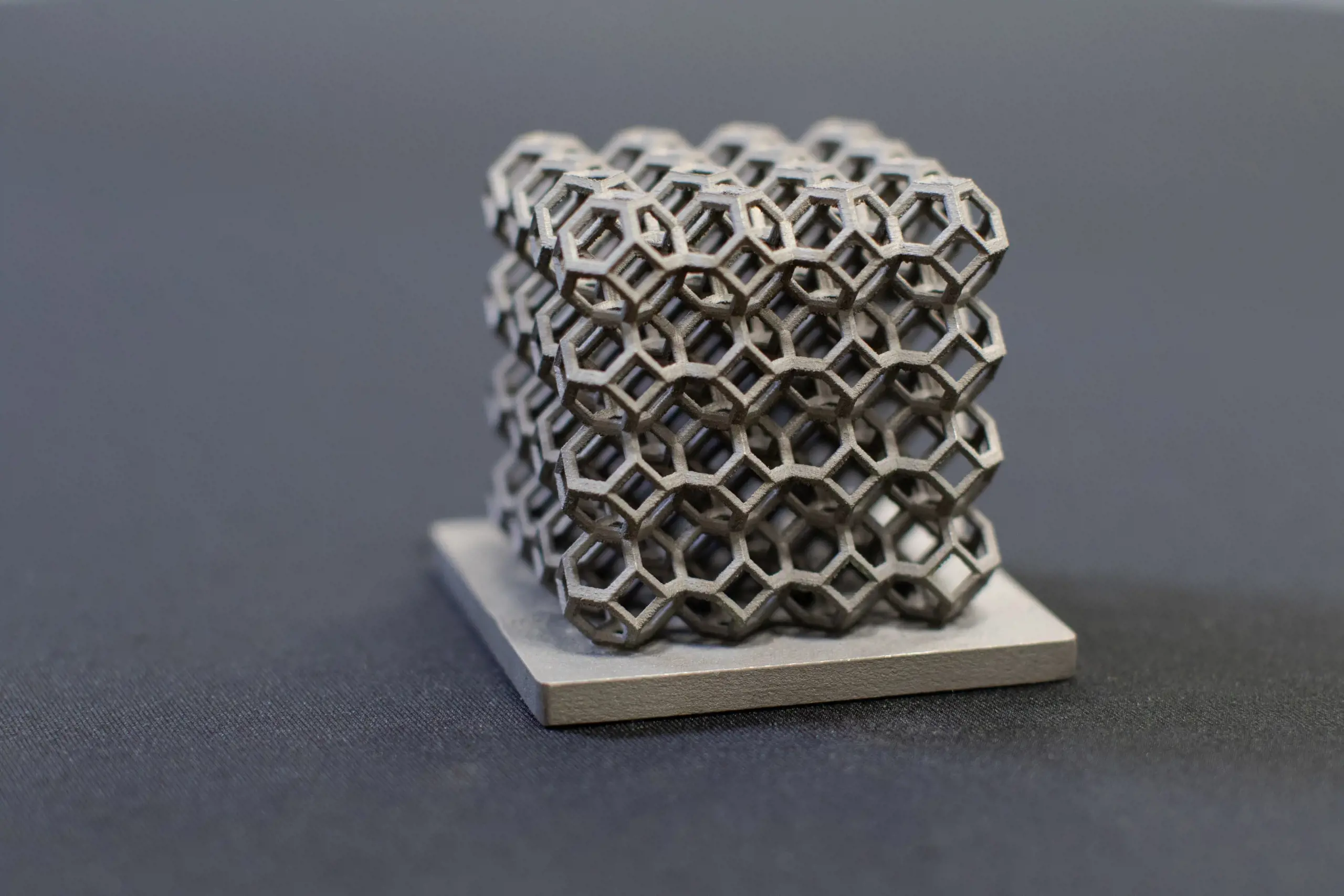
Predictive Modeling & Response Surfaces
Create surrogate models that approximate simulation results, allowing fast evaluation of thousands of design possibilities without running full simulations each time.
Engineering Support
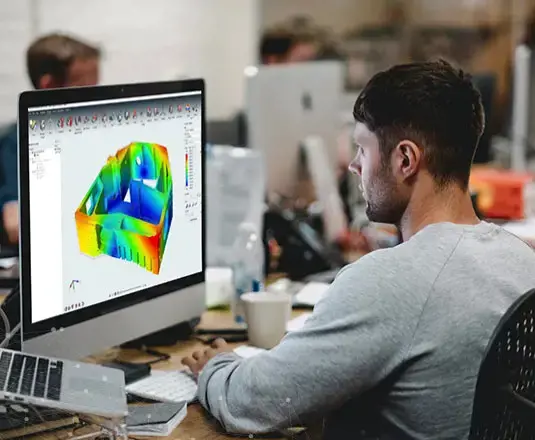
Beyond Software: Optimization-Driven Engineering Support
We integrate simulation-driven design into real engineering workflows.
At TrueInsight, we help teams move from simulation to real design decisions. From defining objectives and constraints to setting up optimization studies and interpreting results, we ensure simulation data translates into actionable insights—reducing iterations, improving performance, and accelerating development before physical prototypes are built.
Design Optimization Insights
Understanding Design Optimization in Engineering
An introduction to design exploration, DOE methods, and optimization techniques used to improve performance and reduce development time.
Explore the key methodologies behind modern design optimization, including design of experiments (DOE), predictive modeling, and robustness analysis. Learn how these approaches help engineers evaluate trade-offs, improve product performance, and accelerate development through simulation-driven engineering.
Frequently Asked Questions About Design Optimization & HyperStudy
Design optimization is a simulation-driven process where engineers automatically evaluate multiple design configurations to identify the best solution based on defined objectives such as weight, strength, performance, or cost. Instead of validating one concept at a time, optimization analyzes many parameter combinations and determines the most efficient configuration.
Optimization is typically applied during early and mid design stages, when product parameters such as geometry, material, or operating conditions are still flexible. Using optimization early helps teams reduce rework, minimize prototyping, and improve product performance before manufacturing decisions are finalized.
Simulation software evaluates how a specific design performs under certain conditions. HyperStudy does not replace simulation — it uses simulation results to automatically compare multiple design alternatives and identify which configuration performs best according to defined criteria.
No. Optimization workflows guide users through defining variables, constraints, and objectives. Engineering teams mainly need understanding of their product behavior and performance requirements; the software manages the mathematical optimization process.
Typical applications include weight reduction, structural strength improvement, vibration tuning, thermal performance, material selection, and balancing competing requirements such as performance versus cost or durability.
Yes. TrueInsight supports engineering teams in defining optimization studies, selecting appropriate parameters, interpreting trade-offs, and integrating optimization into real product development workflows to ensure practical engineering value.
Ready to Optimize Your Product Design Process?
Design optimization allows engineering teams to evaluate multiple design alternatives, understand performance trade-offs, and identify the best configuration before physical prototypes are built.