
Electromagnetic Simulation Software | High- & Low-Frequency EM Analysis
Electromagnetic simulation helps engineering teams predict field behavior before hardware, whether you’re validating antennas and EMC/EMI risk or optimizing motors, transformers, and actuators. At TrueInsight, we support the Altair electromagnetics portfolio with fast onboarding, practical modeling help, and licensing that scales from first studies to production workflows.
What Is Electromagnetic Simulation?
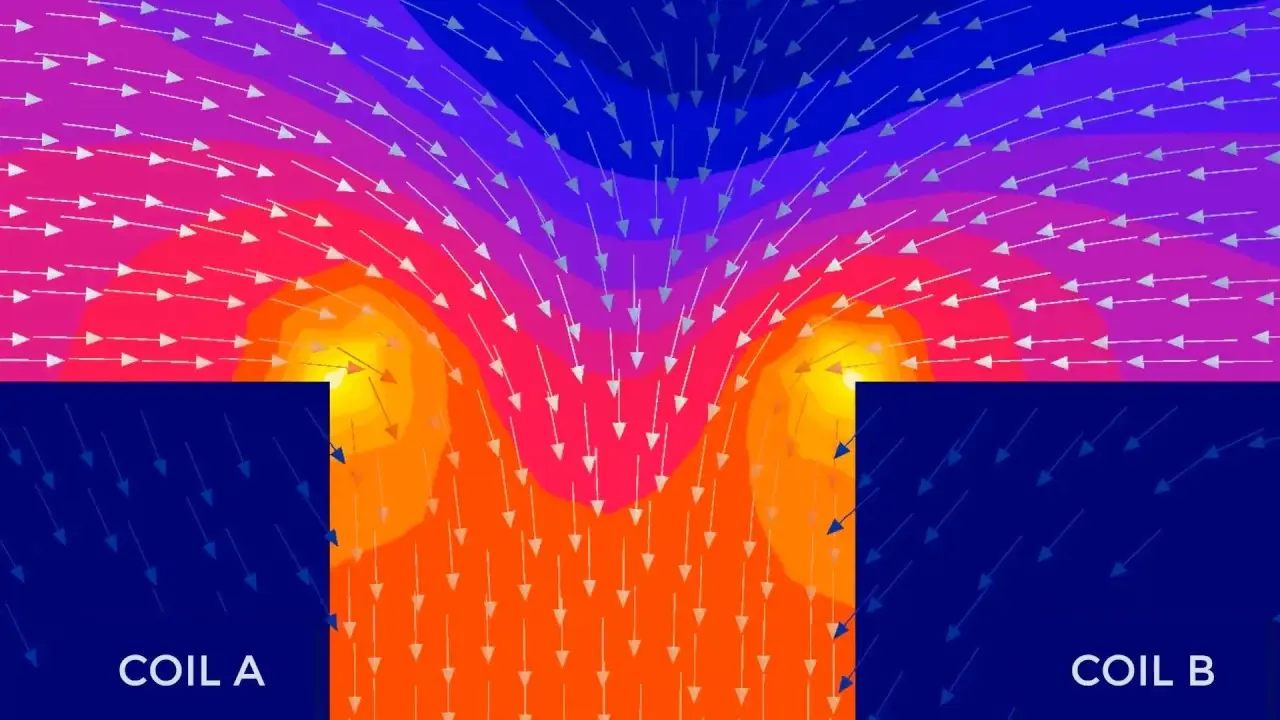
Electromagnetic simulation is the numerical analysis of electric and magnetic fields to understand performance under real conditions, commonly including magnetostatic, steady-state, and transient behavior depending on the problem type. Teams use it to reduce late-stage test surprises, shorten prototyping cycles, and make design decisions earlier with higher confidence.
Electromagnetics VS Electronics Simulation
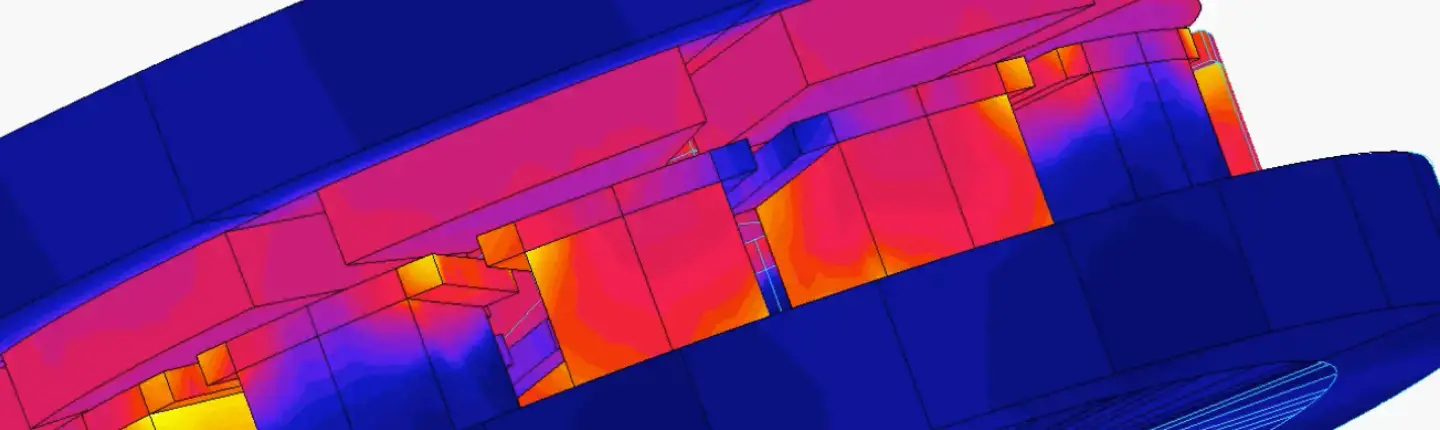
Electromagnetics simulation focuses on fields (radiation, coupling, induction, saturation). Electronics simulation focuses on circuits/PCB/power conversion. If you’re working on PCB verification or power converter control, use our Electronics resources, this page stays focused on field-based electromagnetics.
Electromagnetic Simulation Tools From TrueInsight
Altair's Specialized Products for Electromagnetic Simulation
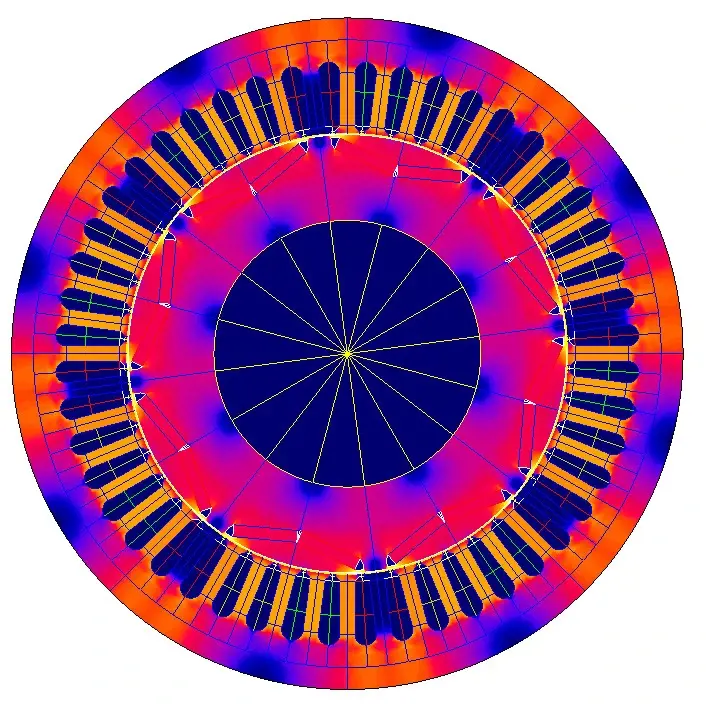
Expert EM support and services from TrueInsight
Request a free demo 15-minute presentation with our engineers.
Do You Have Questions or Want to See Altair in Action?
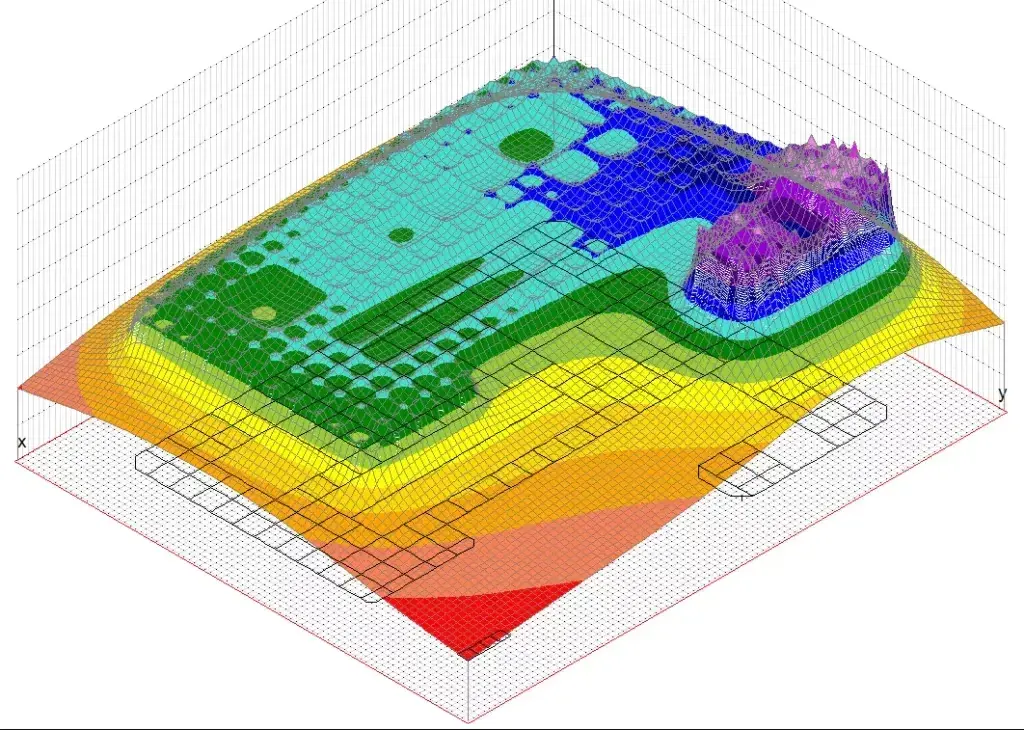
Why Choose TrueInsight and Altair?
There's so many reasons but here's some of them...





Frequently Asked Questions
To predict electromagnetic field behavior commonly for antennas/EMC at high frequencies or electromagnetic devices like motors and transformers at low frequencies, before building hardware.
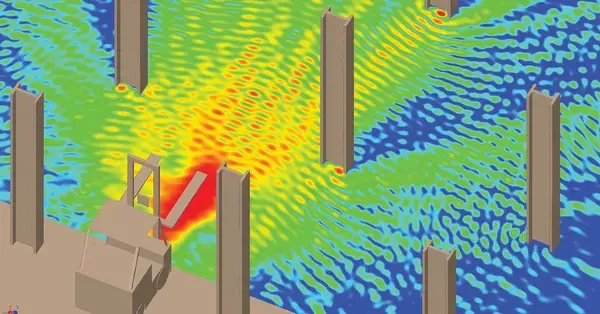
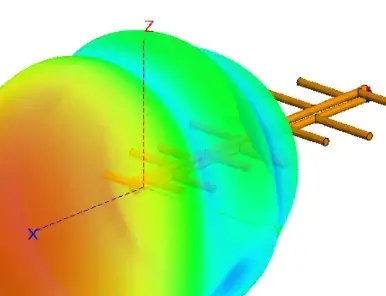
FEKO targets high-frequency EM problems (antennas, coupling, EMC/EMI, scattering/RCS). Flux targets low-frequency electromagnetic devices (motors, actuators, sensors) including steady-state and transient behavior.
No. EMC/EMI in this context is typically field/coupling behavior (electromagnetics). Electronics simulation focuses on circuits/PCB/power conversion.
Use steady-state for operating-point behavior and transient when time-dependent switching/drive or dynamic conditions change the electromagnetic response.
Yes, Flux is positioned for automating electromagnetic device design such as motors and generators, supporting analyses across operating conditions.
Yes, your fastest path is a scoped demo: we confirm the right tool (FEKO vs Flux), review required inputs, and outline a repeatable workflow your team can own.