
TrueInsight
Siemens/Altair Channel Partner
Menu



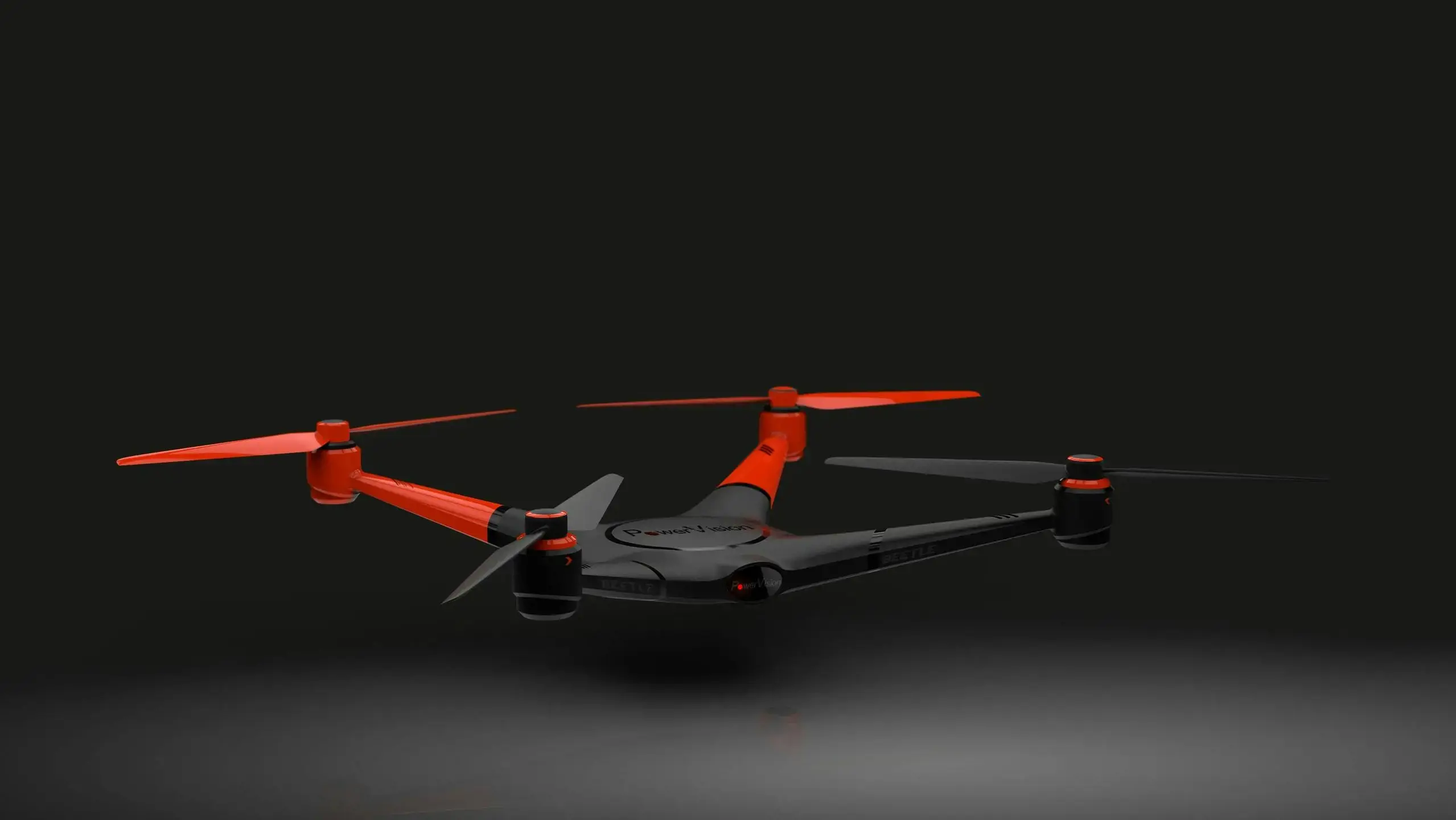
Drone Design & Simulation Software
Design lighter, more reliable drone systems with connected engineering workflows for structures, aerodynamics, thermal behavior, electromagnetics, power electronics, controls, and digital product development. TrueInsight helps teams evaluate Altair and Siemens tools for drone design, simulation, and implementation support.
What Is Drone Engineering Simulation?
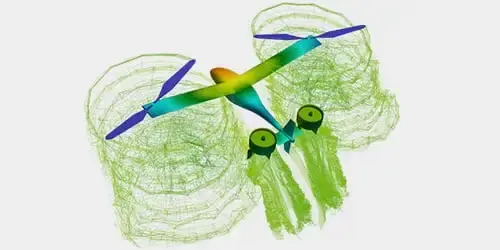
Drone engineering simulation is the use of CAD, CAE, CFD, electromagnetics, controls, and product-data workflows to evaluate drone performance before physical hardware is finalized. For drone teams, that usually means validating airframe strength, optimizing weight, refining airflow, checking thermal behavior, studying antenna and EMC performance, and testing propulsion or control-system behavior earlier in development.
Why Simulation Matters For Drones Now
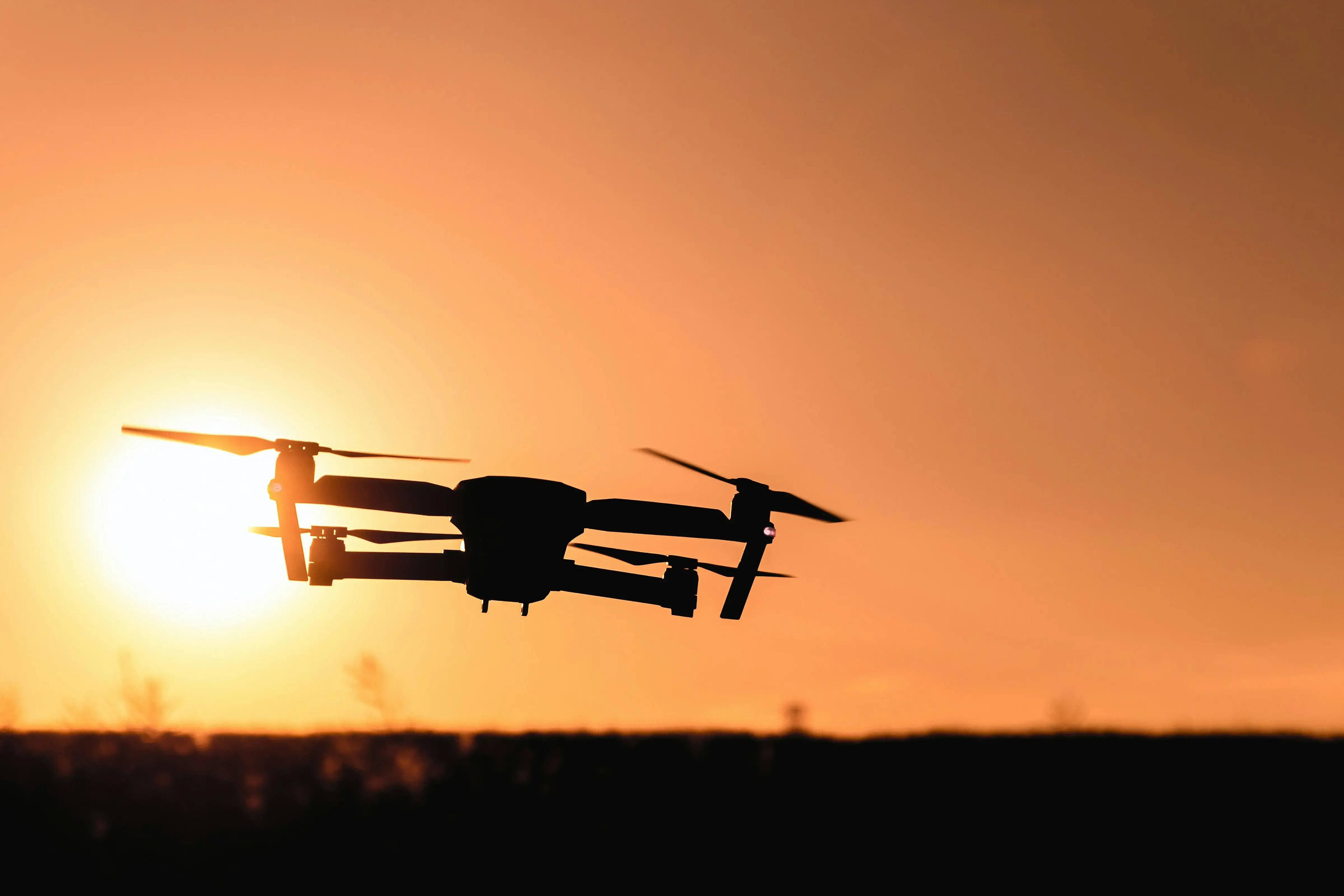
Drones are no longer a niche category. The FAA projects continued commercial fleet growth in the U.S., and EASA’s drone-economy infrastructure shows the European market is maturing around safety, competitiveness, and practical operations. That makes simulation more relevant because drone programs increasingly need to balance weight, endurance, control reliability, safety, and connected-system performance without depending only on physical prototypes.
Altair Software For Drone Development
Altair Inspire for Early Drone Concept Design
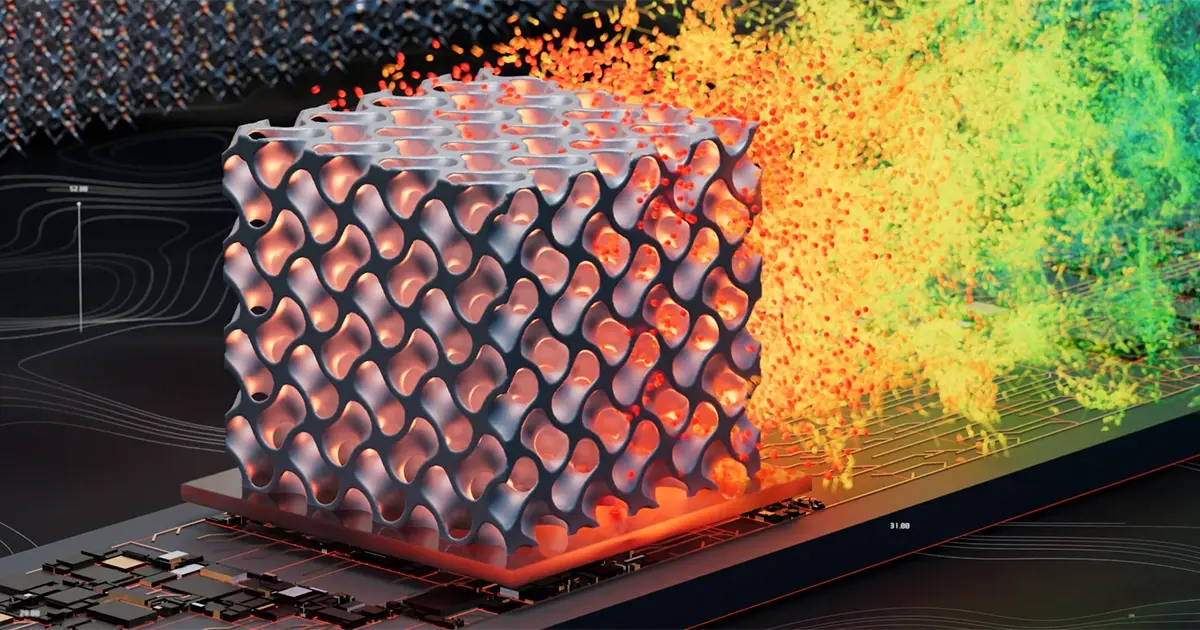
Use Inspire when teams need to explore layouts, structural concepts, and optimization earlier. It brings simulation-driven design, geometry modeling, and structural optimization into early concept work, which fits lightweight drone-frame exploration well.
Explore Inspire →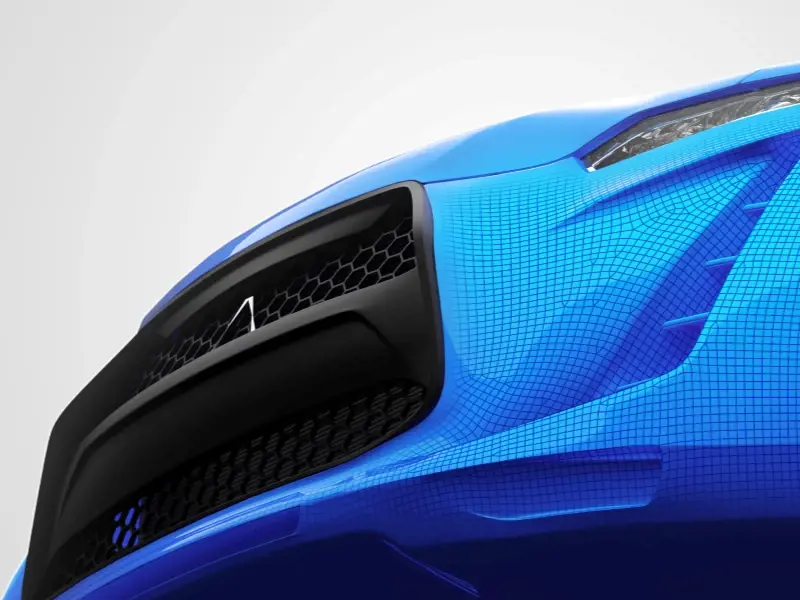
Altair HyperMesh for Drone Model Preparation
Altair HyperMesh helps engineering teams prepare finite element models for structural simulation. For drone development, it supports efficient meshing and model setup for airframes, brackets, housings, and other components that require detailed structural evaluation.
Explore HyperMesh →.webp)
Altair OptiStruct for Structural Analysis and Lightweighting
Altair OptiStruct supports structural analysis and optimization in a single environment. In drone workflows, it is well suited for reducing weight, improving stiffness, and validating structural performance under operational loads.
Explore OptiStruct →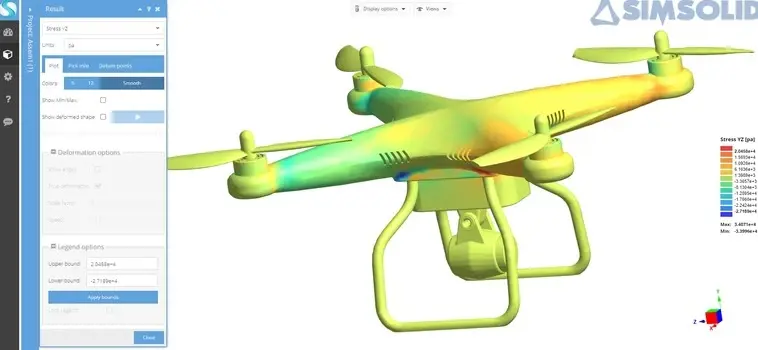
Altair SimSolid for Fast Assembly-Level Structural Evaluation
Altair SimSolid enables structural analysis directly on full CAD assemblies without traditional meshing. This is valuable in drone development when assemblies change frequently and teams need faster turnaround for design validation.
Explore SimSolid →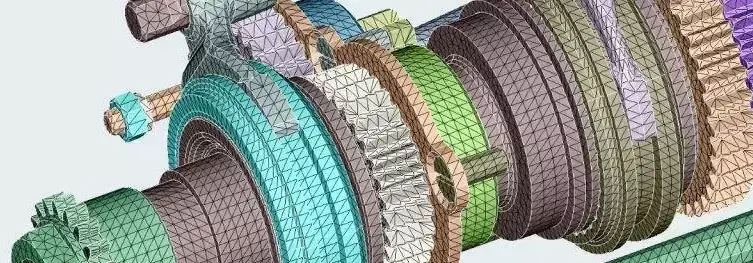
Altair SimLab for Automated Multiphysics Workflows
Altair SimLab helps streamline simulation setup for multiphysics workflows. In drone programs, it can support broader studies involving structural, thermal, electromagnetic, and fluid-related behavior across integrated assemblies.
Explore SimLab →
Altair FlightStream for Drone Aerodynamics
Altair FlightStream is designed for rapid aerodynamic analysis and is especially relevant for drone and aircraft workflows. It helps drone teams evaluate airflow behavior, aerodynamic efficiency, and design changes without relying only on physical testing.
Explore FlightStream →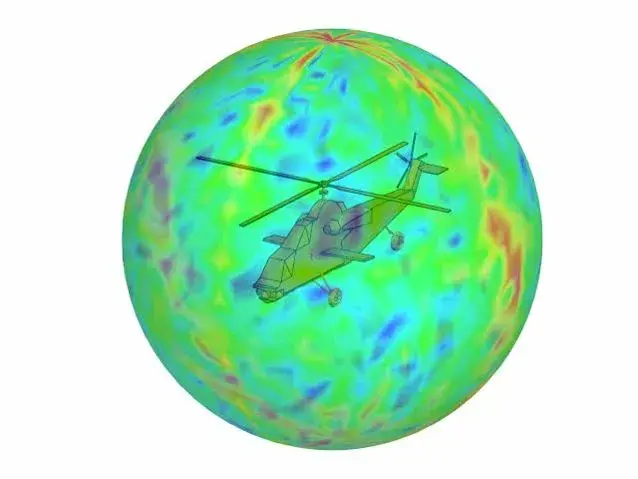
Feko for antennas, EMC, and radar-related behavior
Feko supports high-frequency electromagnetic simulation for antenna design, wireless connectivity, EMC, and radar cross section analysis. On drones, that matters for communication links, antenna placement, interference risk, and signature-related studies.
Explore Feko →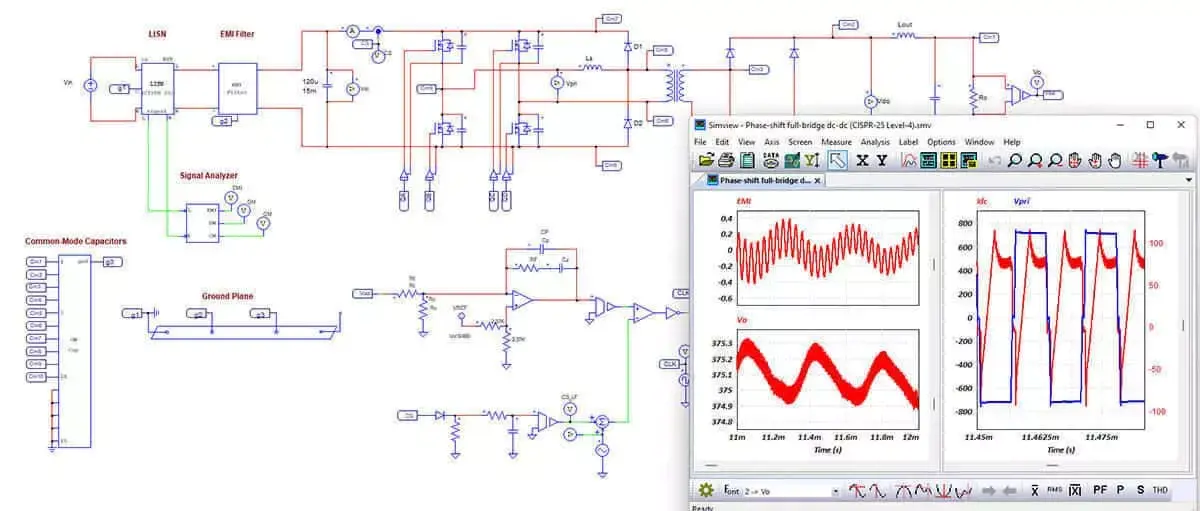
Altair PSIM for Power Electronics and Motor Drive Simulation
Altair PSIM is focused on power electronics and motor-drive simulation. For drone systems, it supports analysis of electric propulsion architectures, inverter behavior, control strategies, and electromechanical performance.
Explore PSIM →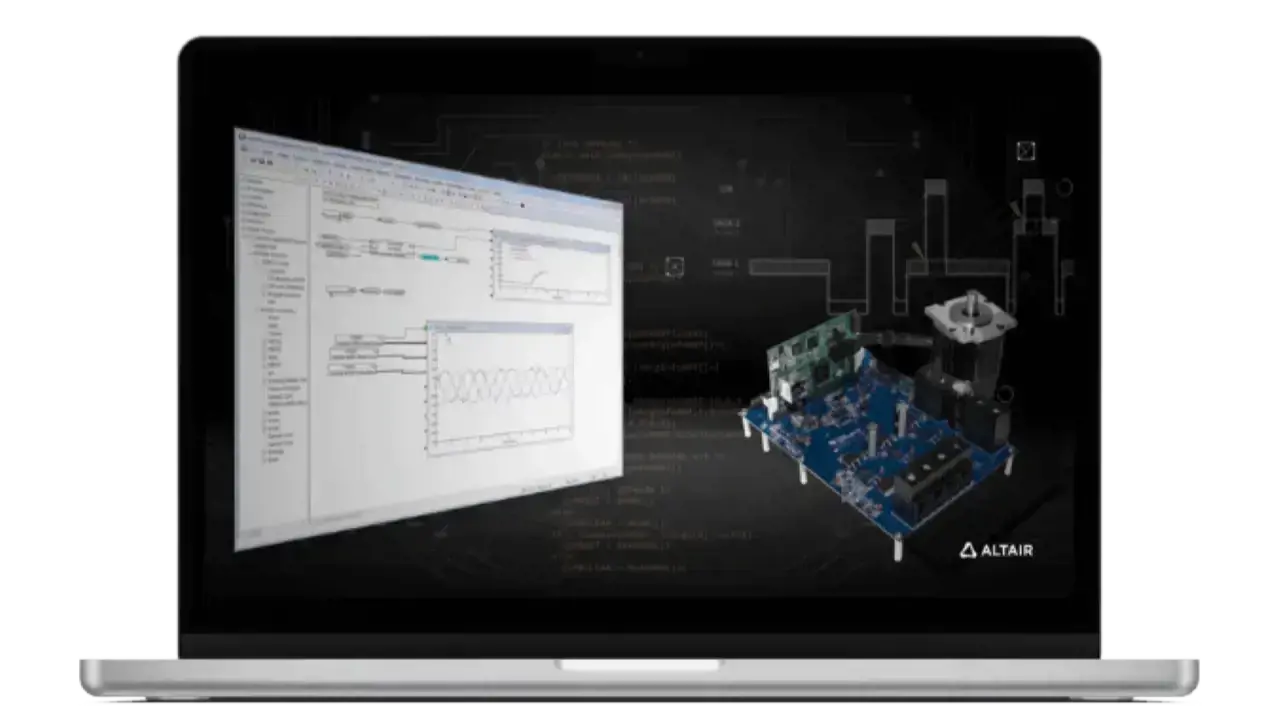
Altair Embed for Embedded Control Development
Altair Embed supports model-based development for embedded systems, including automatic code generation. In drone workflows, it is relevant for controller development, embedded logic validation, and rapid implementation of control strategies.
Explore Embed →Siemens Software For Drone Development
Siemens NX for integrated drone product development
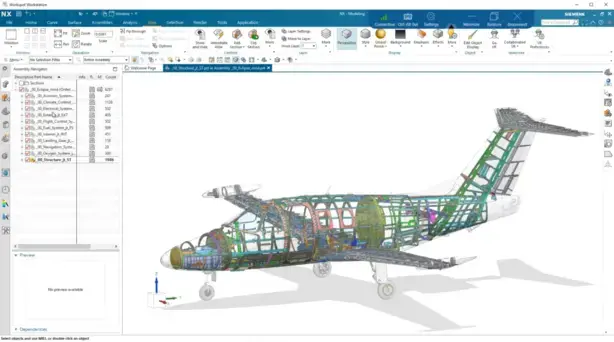
NX supports CAD, CAM, and CAE in one environment and is positioned for end-to-end product development. That is valuable for drone teams that need complex assemblies, tighter design-to-manufacturing continuity, and fewer translation gaps between design and validation. Siemens has also highlighted NX in real drone-development use cases.
Explore Siemens NX →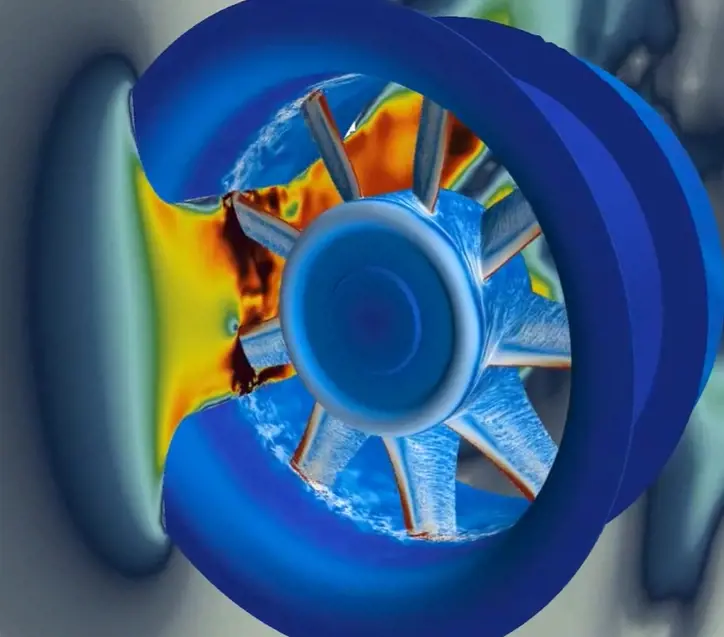
Simcenter for structural, thermal, and system simulation
Simcenter supports airflow, structural, thermal, and system-performance simulation across drone development workflows. Simcenter 3D is well suited for structural simulation, while the broader Simcenter portfolio supports more complex multiphysics and system-level engineering for drone airframes, subsystems, and validation activities.
Explore Simcenter →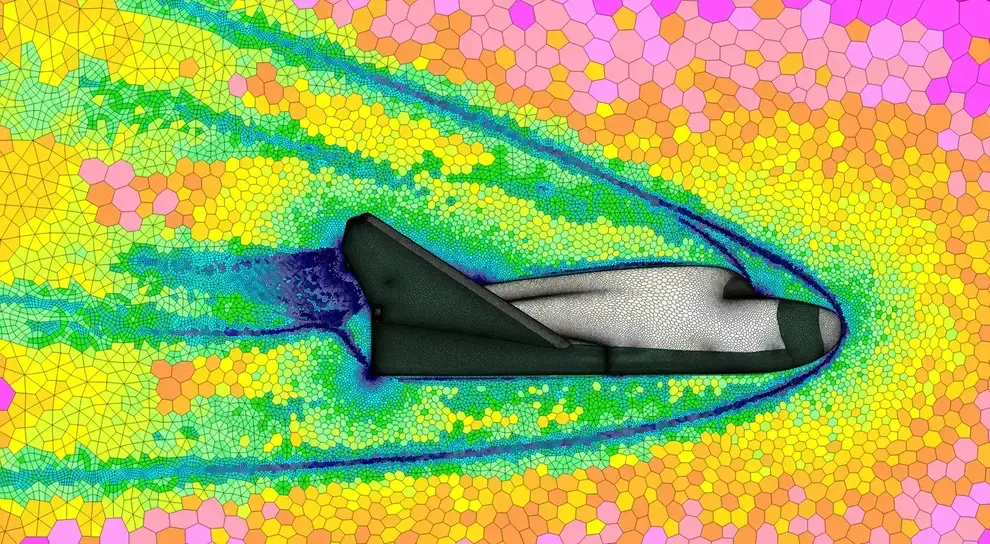
Simcenter STAR-CCM+ for high-fidelity CFD and multiphysics
STAR-CCM+ is Siemens’ advanced multiphysics CFD environment. It is a strong fit for drone development when the airflow, heat-transfer, or coupled-physics question is more demanding and teams need higher-fidelity aerodynamic or thermal studies.
Explore Star-CCM →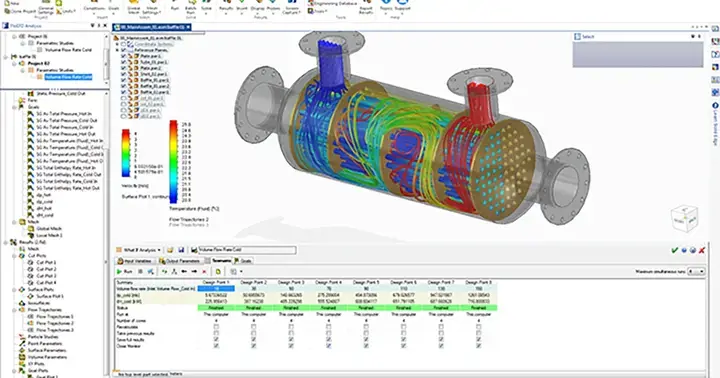
Simcenter FloEFD for earlier airflow and thermal checks inside CAD
FloEFD is useful when teams want earlier CFD directly in the design workflow. It supports CAD-embedded fluid-flow and heat-transfer analysis, which makes it attractive for faster iteration on enclosures, component packaging, cooling, and early airflow decisions.
Explore FloEFD →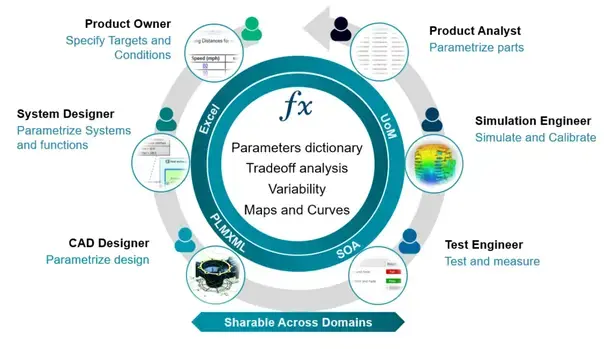
Teamcenter for digital thread and simulation data control
Drone programs often involve mechanical, electronics, controls, manufacturing, and test teams. Teamcenter supports product data, revisions, configurations, and cross-team collaboration, while Teamcenter Simulation extends that into simulation process and data management. That is important when drone programs grow beyond isolated models and need traceable engineering workflows.
Explore Teamcenter →Benefits of Simulation-Driven Drone Development
Reduce Physical Prototype Loops
Simulation helps engineering teams evaluate structural behavior, airflow, thermal response, and subsystem interactions before committing to hardware. That shortens the number of build-test-redesign cycles needed during development and supports faster iteration when designs are still changing. For drone programs, this is especially valuable when airframe layout, payload constraints, and performance targets need to be balanced early.
Improve Endurance and Efficiency
Drone endurance depends on more than battery capacity alone. Weight, aerodynamic drag, structural efficiency, thermal behavior, and propulsion performance all influence flight time and mission capability. Simulation helps teams identify where mass can be reduced, where airflow can be improved, and where system performance can be refined to support longer operation and better overall efficiency.
Detect Communication and EMC Risks Earlier
Reliable communication is critical in drone operations, especially when systems depend on stable control links, telemetry, navigation, or payload data transmission. Electromagnetic simulation helps teams evaluate antenna placement, interference risks, and EMC behavior earlier in development, reducing the chance that connectivity issues appear late in testing or after hardware integration.
Support More Advanced Control and Autonomy Development
Modern drone systems increasingly rely on embedded controls, electric propulsion management, and autonomy-related logic. Simulation supports earlier validation of control strategies, motor-drive behavior, and system responses under different operating conditions. This helps development teams improve reliability, reduce integration risk, and build more confidence in how the drone will behave before flight testing begins.
Build a More Connected Engineering Workflow
Drone development often involves mechanical design, electronics, simulation, manufacturing, and validation teams working across multiple tools and disciplines. A connected engineering workflow improves traceability between design changes, simulation results, and product decisions. That makes it easier to manage revisions, coordinate across teams, and maintain continuity from early concept work through validation and production readiness.
Why work with TrueInsight

Expert Support, Rapid Implementation
Licensing, Guidance and More
TrueInsight supports drone-development teams with software selection, technical guidance, onboarding, and implementation across Altair and Siemens tools. That makes it well suited to help organizations connect early design, simulation, validation, and product-development workflows around drone programs.
Frequently Asked Questions
Drone teams typically need a mix of CAD, structural simulation, aerodynamics, electromagnetics, controls, and product-data tools. In the TrueInsight portfolio, that can include Altair Inspire, HyperMesh, OptiStruct, FlightStream, Feko, PSIM, Embed, plus Siemens NX, Simcenter, STAR-CCM+, FloEFD, and Teamcenter.
CFD helps engineers study airflow, drag, lift-related behavior, thermal behavior, and cooling decisions before hardware is built. FlightStream, STAR-CCM+, and FloEFD each support different levels of aerodynamic or thermal analysis depending on speed, fidelity, and workflow needs.
FEA helps validate structural performance such as stress, deformation, stiffness, and optimization opportunities in the airframe and subsystems. HyperMesh, OptiStruct, SimSolid, and Simcenter structural tools all fit that part of the UAV workflow.
Yes, especially in the Siemens simulation ecosystem, where digital-twin, HIL, environment, and sensor-simulation workflows have been demonstrated for UAV development and controller validation.
Yes. Endurance is influenced by weight, aerodynamic efficiency, thermal performance, and propulsion efficiency. The relevant workflows sit across structural optimization, aerodynamic simulation, thermal analysis, and power-electronics/control simulation.
Yes. Support is available for software evaluation, licensing guidance, demos, onboarding, implementation, training, and ongoing technical assistance across Altair and Siemens tools.
Ready To Discuss Your Drone Program?
Talk with TrueInsight about the right mix of Altair and Siemens tools for your drone development workflow, whether you need early concept design, structural validation, aerodynamics, EMC, propulsion-electronics simulation, or a broader digital engineering stack.