
TrueInsight
Siemens/Altair Channel Partner
Menu



Battery Engineering & Simulation Solutions
Accelerate battery innovation with simulation-driven design, safety validation, and digital engineering workflows.
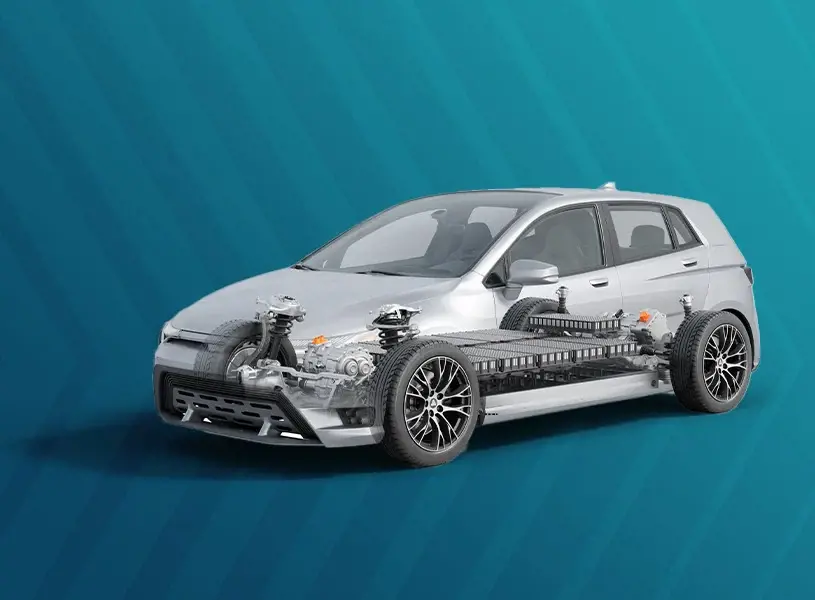
What Is Battery Engineering Simulation?
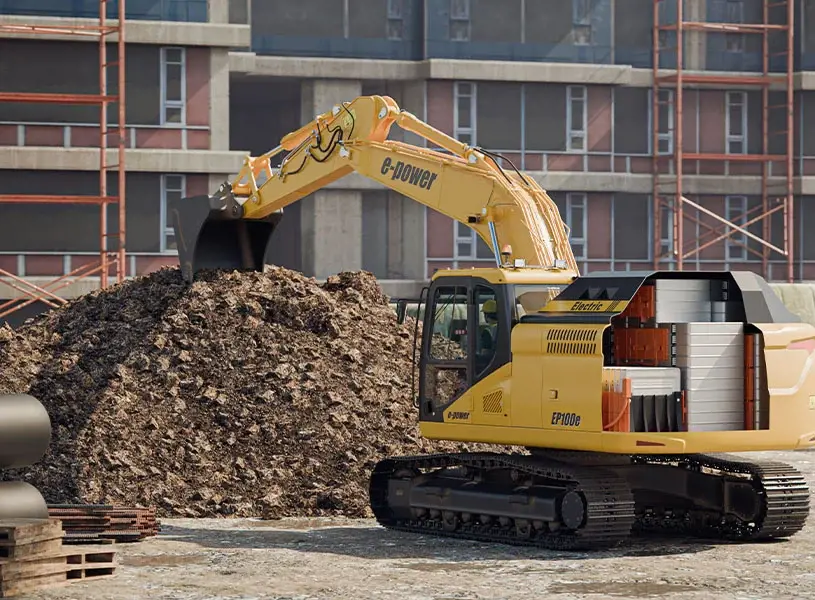
Battery Engineering Simulation Explained
Design, analyze, and optimize battery systems through integrated simulation workflows.
Battery engineering simulation integrates thermal, structural, electrical, and control systems into a unified development workflow. It enables teams to evaluate cooling strategies, structural protection, charging behavior, control logic, and lifecycle performance from early design stages.
Rather than validating designs late in the process, simulation helps engineers make better decisions earlier and connect workflows across the entire battery development lifecycle—improving safety, performance, and time-to-market.
Key Battery Development Challenges
The most critical engineering challenges shaping battery performance, safety, and development speed.
Key Battery Engineering Challenges
Battery performance depends heavily on temperature control. Cooling strategy, hotspot reduction, and thermal behavior under real operating conditions all affect reliability, charging, and life.
Safety and Abuse Protection
Battery systems must remain protected under impact, misuse, and thermal events. Structural integrity and thermal-risk evaluation are critical to safer pack development.
Structural Integration
The pack, tray, enclosure, and support structure must balance stiffness, weight, packaging, and protection without compromising performance.
Electrical Performance
Current distribution, interconnect behavior, charging hardware, and electrical losses all influence efficiency, temperature, and system stability.
Controls and BMS Development
Battery programs depend on robust controls, converter behavior, and BMS logic to manage charging, response, and system interaction.
Traceability Across the Program
As development scales, requirements, models, revisions, simulation data, and product structures need to stay connected across teams.
Core Simulation Workflows
Integrated simulation workflows that connect battery design, analysis, validation, and lifecycle management.
Concept and System Studies
Early-stage models help teams compare architectures, evaluate operating behavior, and narrow design directions before detailed geometry is complete.
Thermal and Cooling Analysis
Detailed simulation supports cooling design, flow behavior, heat dissipation, and electrothermal performance across cells, modules, and packs.
Structural and Crash Validation
Structural analysis and crash simulation help engineers evaluate enclosure strength, mounting strategy, stiffness, lightweighting, and protection in severe events.
Charging and Power Electronics
Charging systems, converters, and related electronics benefit from dedicated simulation to improve efficiency, response, and control behavior.
Controls and Digital Twin Development
System simulation helps connect battery behavior with controls, dynamic response, and digital twin workflows across the product lifecycle.
Lifecycle and Data Continuity
PLM supports controlled engineering processes by connecting simulation, design, change, release, and product data.
Manufacturing-Related Process Studies
When battery development extends into upstream material or production behavior, simulation can also support process-level understanding.
Software for Battery Engineering
Simulation and engineering software used to design, analyze, and optimize battery systems across the full development lifecycle.
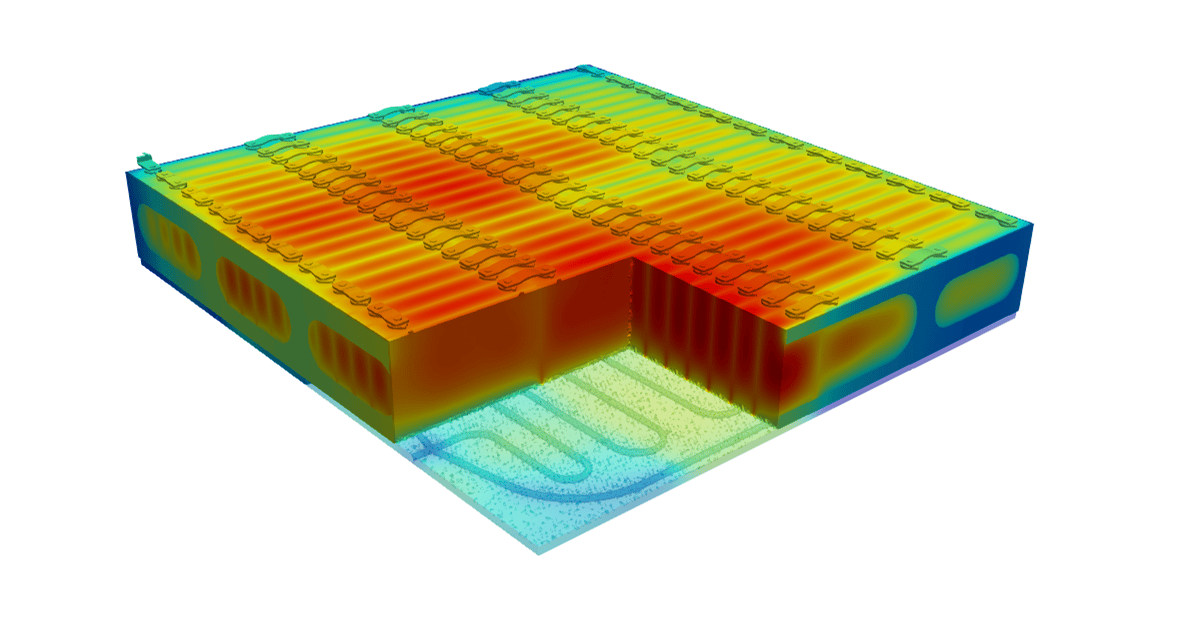
Altair SimLab
A strong fit for CAD-integrated multiphysics workflows that combine thermal, structural, electromagnetic, and fluid behavior in one environment.
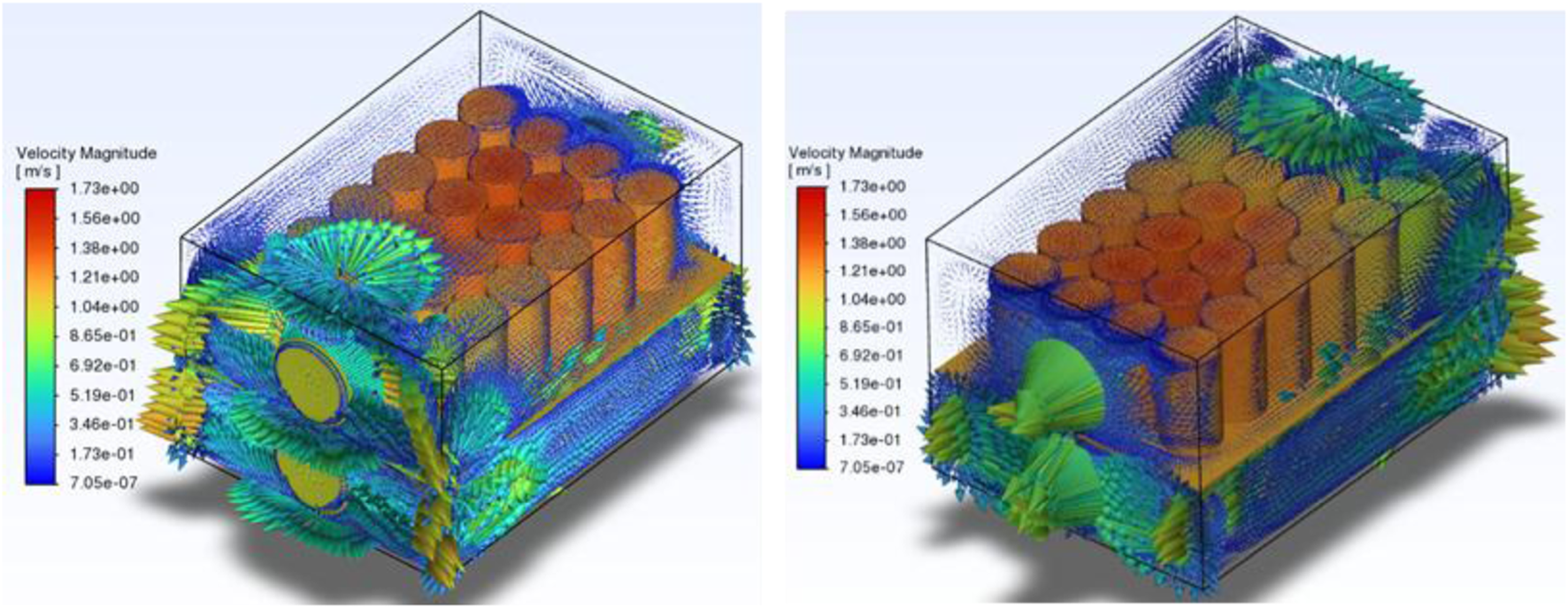
Altair CFD
Well suited for cooling-path design, flow analysis, heat-transfer studies, and broader CFD workflows inside the Altair ecosystem.
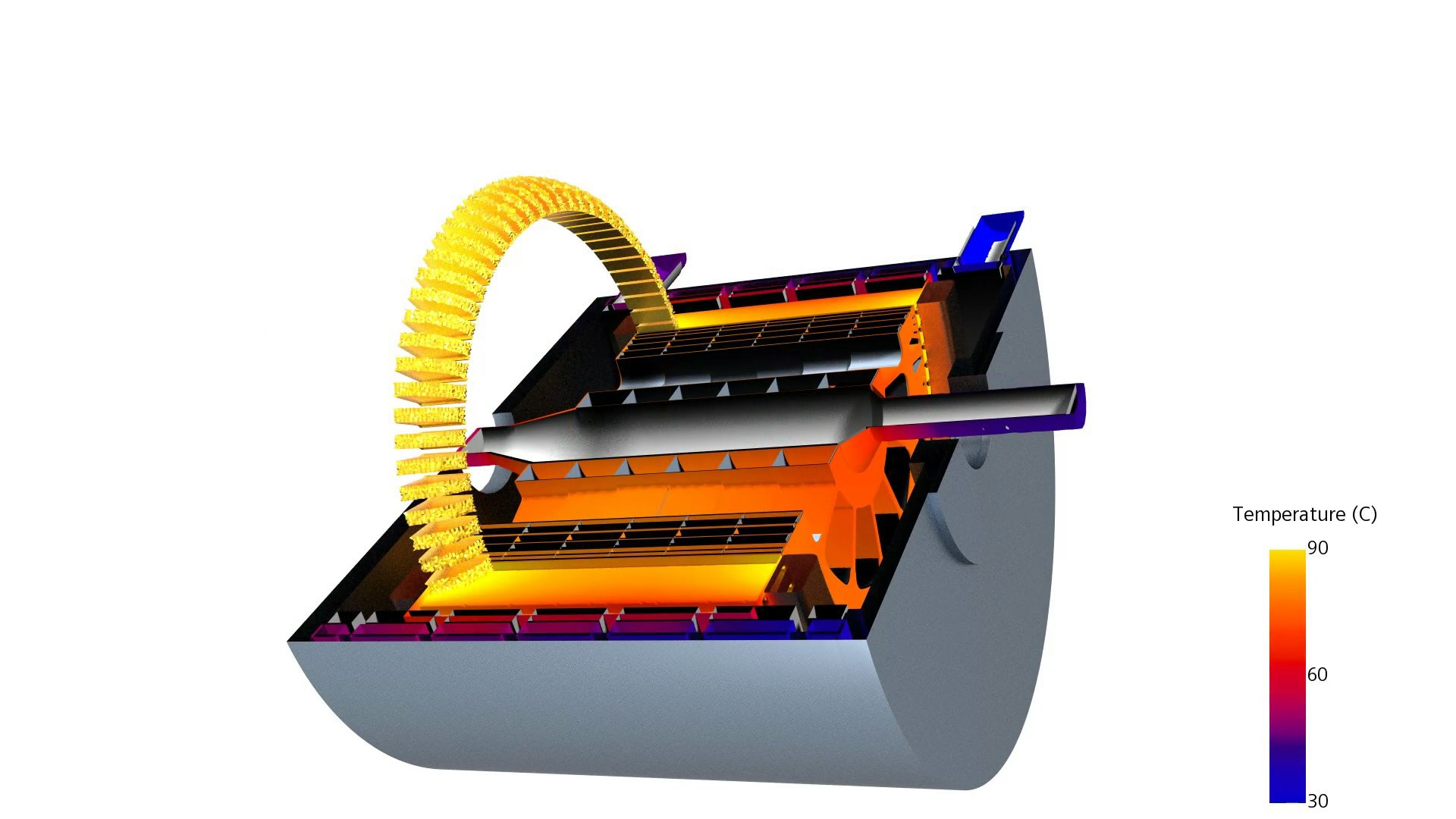
Siemens STAR-CCM+
A strong option for advanced CFD and multiphysics programs that need deeper cooling, heat-transfer, and automation capability.
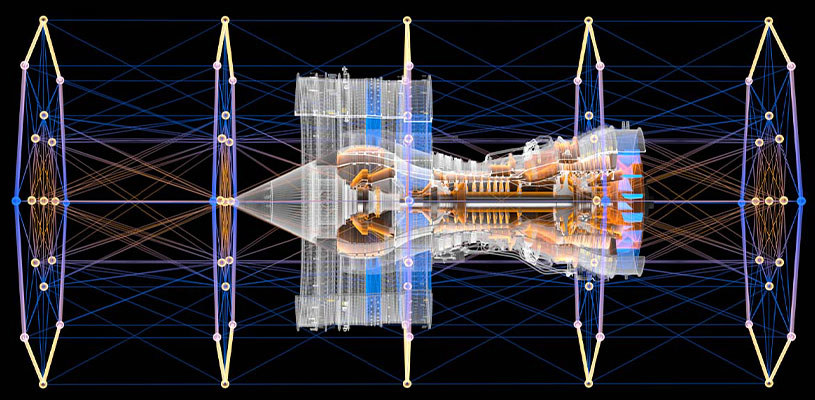
Altair HyperMesh
Altair HyperMeshSupports geometry cleanup, meshing, and solver-ready model preparation for structural, crash, and multiphysics studies.
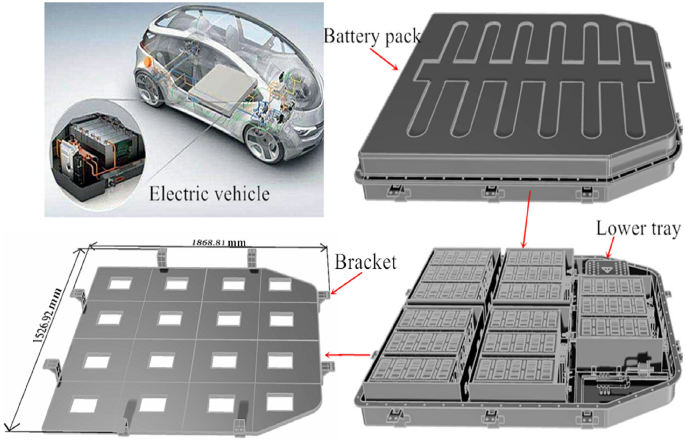
Altair OptiStruct
Supports structural analysis and optimization for trays, enclosures, mounts, and weight-sensitive battery structures.
Altair Radioss
A strong fit for crash, abuse, impact, and explicit dynamics workflows where large deformation and short-duration events matter.
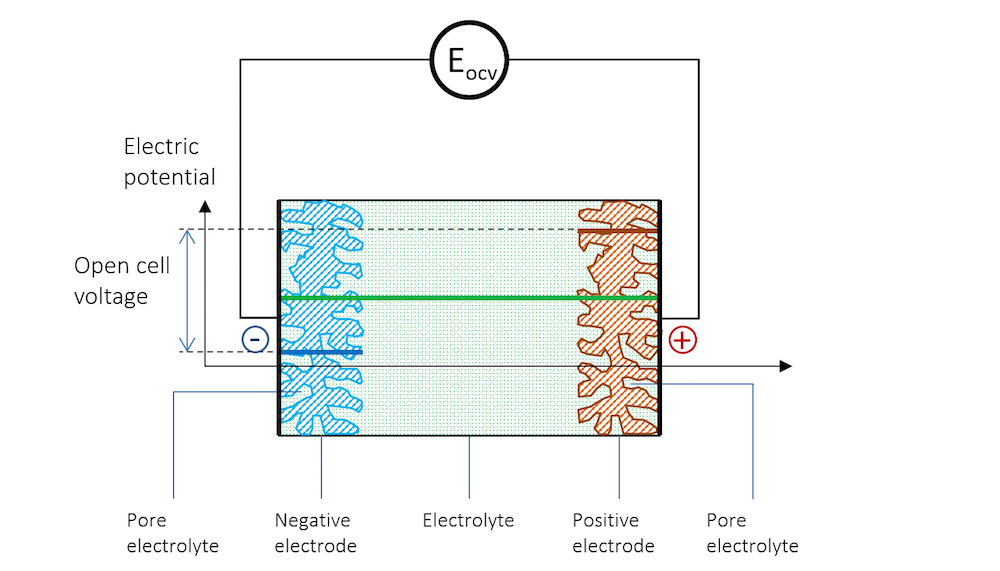
Altair PSIM
Supports power electronics workflows for chargers, converters, and efficiency-driven switching studies.
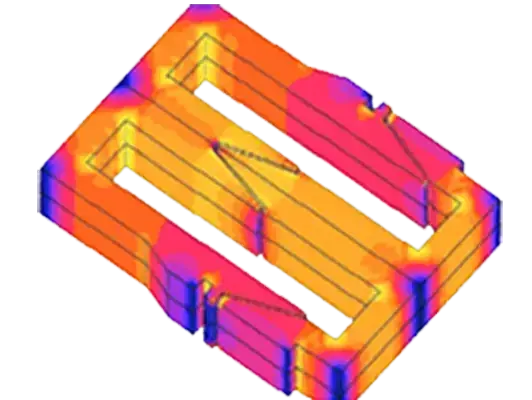
Altair Flux
Supports low-frequency electromagnetic analysis for current-carrying components, charging hardware, and related electrical behavior.

Altair Twin Activate
Supports system-level battery modeling, dynamic behavior studies, and control-oriented development workflows.
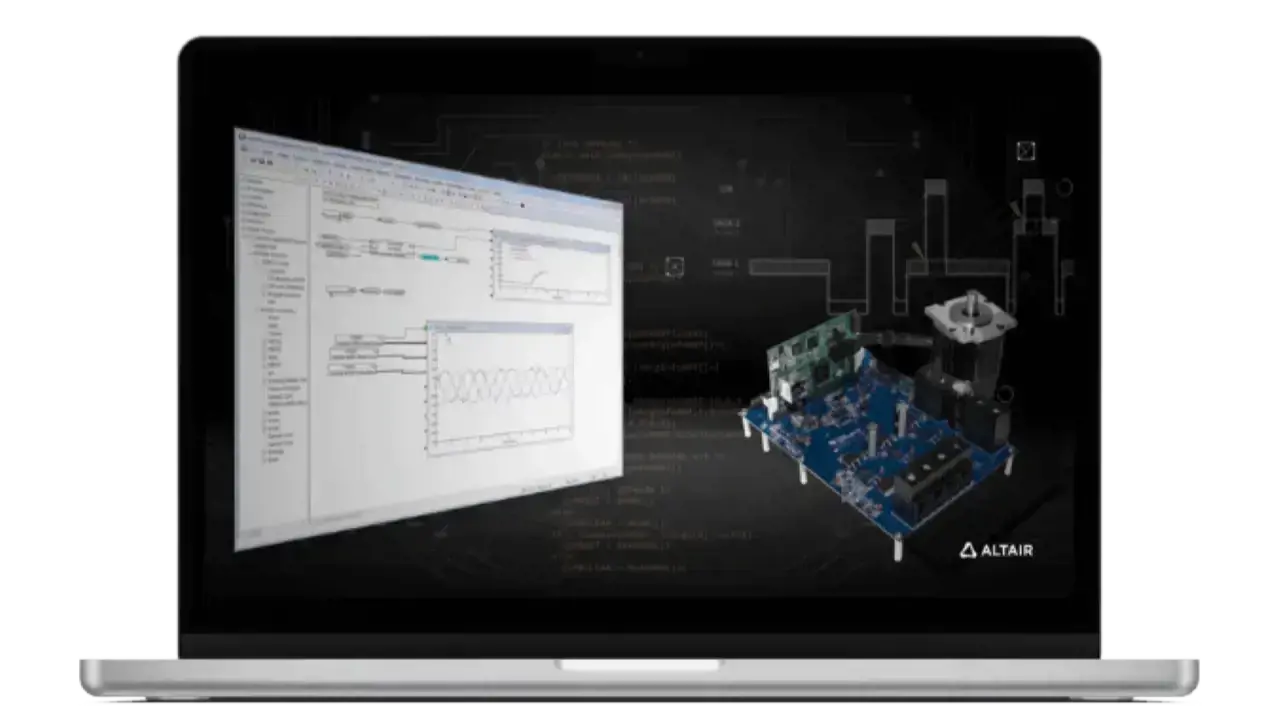
Altair Embed
Supports embedded and controller-development workflows that connect control logic with broader battery-system behavior.
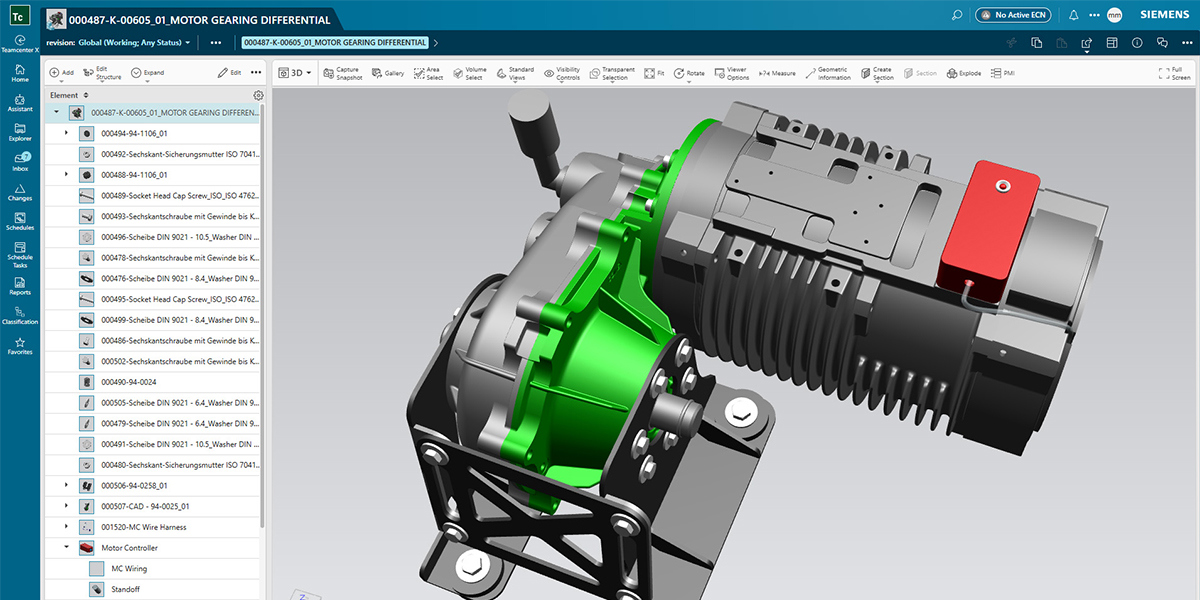
Siemens Teamcenter
Connects engineering data, simulation results, BOMs, revisions, and product definitions across the battery program.
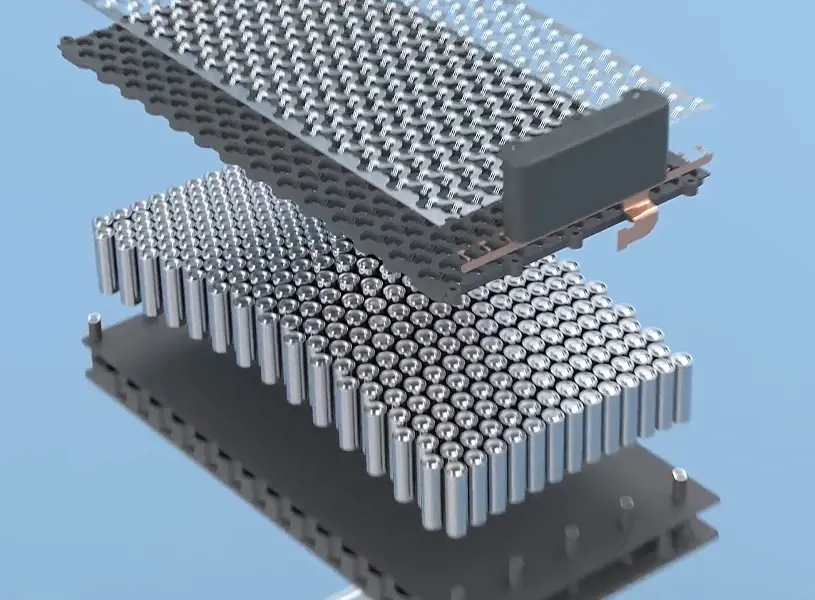
Altair EDEM
Relevant when the program includes material-flow, particle-based, or upstream process behavior in battery manufacturing or recycling contexts.
Why Work With TrueInsight

Engineering Partnership
Connect the right simulation tools, workflows, and expertise to accelerate battery development.
Battery development rarely depends on a single tool. Most teams require a connected workflow across thermal analysis, structural validation, controls, electrical behavior, and product data management.
TrueInsight helps engineering teams select the right Altair and Siemens solutions for their specific challenges, and supports implementation through demos, onboarding, training, and ongoing technical guidance.
Frequently Asked Questions
Start with the dominant engineering risk. For some teams that is thermal management. For others it is structural protection, charging behavior, or controls.
Detailed CFD becomes important when geometry, flow paths, cooling channels, and localized thermal behavior materially affect design decisions.
System models support early architecture and controls decisions. Detailed simulation validates whether the physical design can deliver the intended performance.
Do battery programs need separate tools for controls and power electronics?
PLM becomes essential when multiple teams, revisions, simulations, and product structures need to stay traceable and controlled across the program.
Build The Right Battery Engineering Workflow
Whether you are solving cooling, structural protection, charging behavior, controls, or digital continuity, TrueInsight can help you select and implement the right Altair and Siemens tools for your battery development program.