
TrueInsight
Siemens/Altair Channel Partner
Menu



Automotive Engineering Solutions for Simulation, Electrification, and Digital Engineering
Automotive teams need to balance lightweight design, crash safety, thermal performance, electrification, connected systems, and engineering traceability across the full vehicle-development process. TrueInsight helps organizations build the right Altair and Siemens software environment for these workflows, with support for evaluation, onboarding, implementation, and technical guidance.
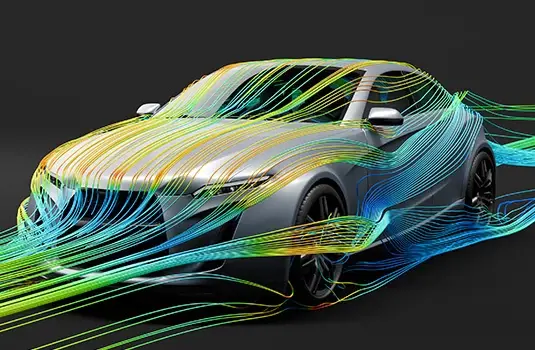
What Are Automotive Engineering Solutions?
.webp)
Automotive engineering solutions combine simulation, systems modeling, and digital engineering tools to help teams design, validate, and refine vehicles more efficiently. These workflows support structural analysis, crash, CFD, thermal management, electrification, electromagnetics, controls, and product data management.
The goal is not just to analyze individual components. It is to connect the right tools to the right decisions across the vehicle program, from concept development through validation and collaboration.
Key Challenges in Modern Vehicle Development
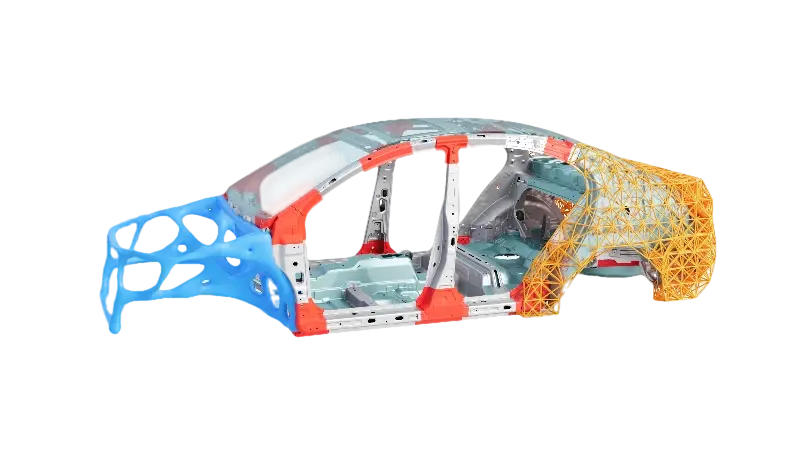
Lightweight structures with real-world performance targets
Reducing mass still has to align with stiffness, durability, safety, and manufacturability requirements. Automotive teams need workflows that support faster structural iteration without compromising performance.
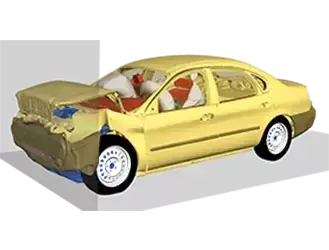
Crash performance and battery protection
Crash development now extends beyond occupant safety alone. Electrified vehicles also demand stronger evaluation of battery-pack integration, load paths, and protection under severe impact conditions.
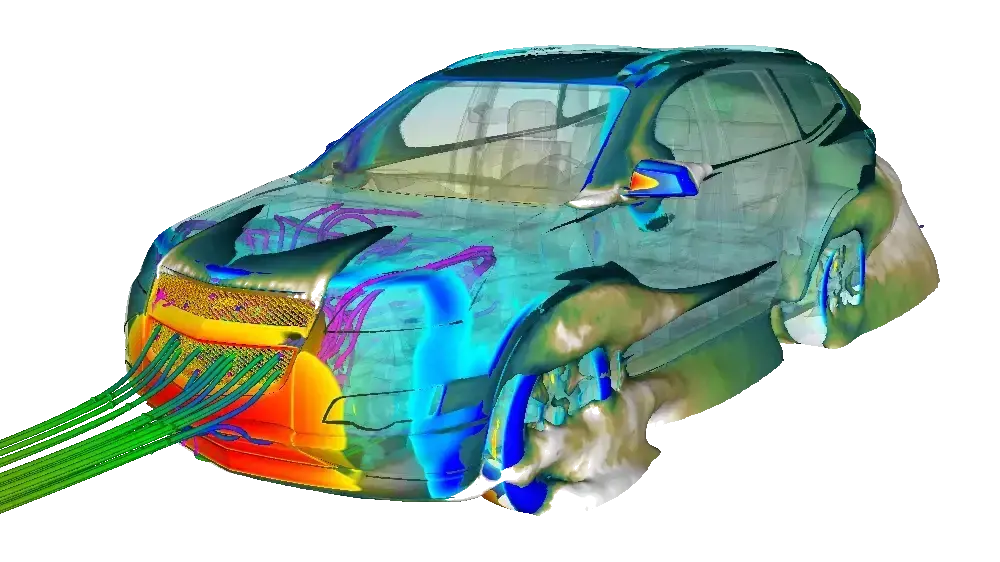
Aerodynamics, cooling, and thermal control
Airflow and heat transfer influence efficiency, reliability, cabin comfort, battery performance, and motor behavior. Thermal and CFD workflows are essential across vehicle, subsystem, and electronics development.
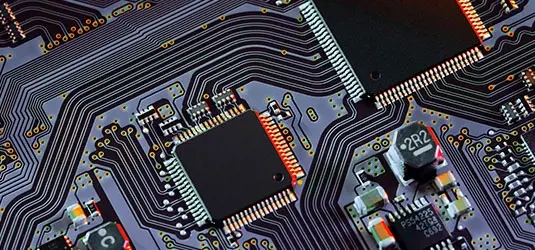
Electrification and power electronics complexity
Electric powertrains introduce tighter interaction between motors, inverters, batteries, and control systems. These programs require connected simulation across electromagnetic, thermal, and system-level behavior.
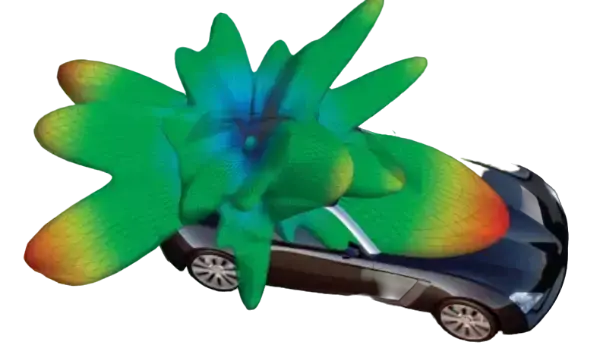
EMC and connected vehicle performance
Connected vehicles depend on reliable antenna behavior, electromagnetic compatibility, and robust electronic integration. These issues need to be addressed early to reduce downstream testing risk and redesign effort.
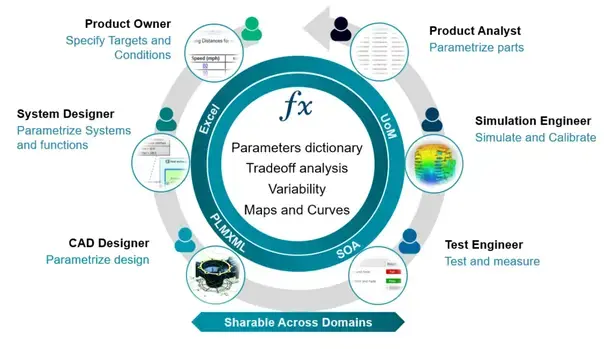
Engineering traceability across teams
Vehicle programs involve design, simulation, electronics, manufacturing, and validation teams working across changing product data. Traceability and digital continuity are essential for scaling development efficiently.
Simulation and Digital Engineering Workflows for Automotive Teams
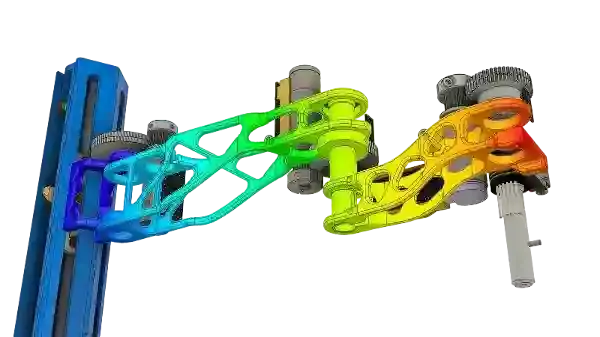
Early concept exploration and fast iteration
Automotive development benefits from fast structural and systems-level studies early in the process, before detailed validation begins. This helps teams compare design directions sooner and reduce unnecessary rework later.
Repeatable model preparation for complex assemblies
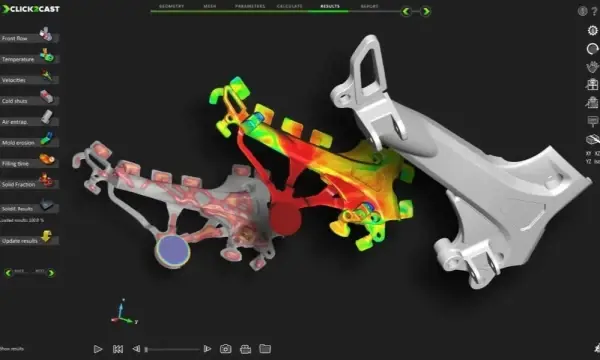
Large automotive assemblies require efficient geometry cleanup, meshing, setup, and automation. Standardized preprocessing workflows help teams move faster across variants and design updates.
Connected subsystem and system-level analysis
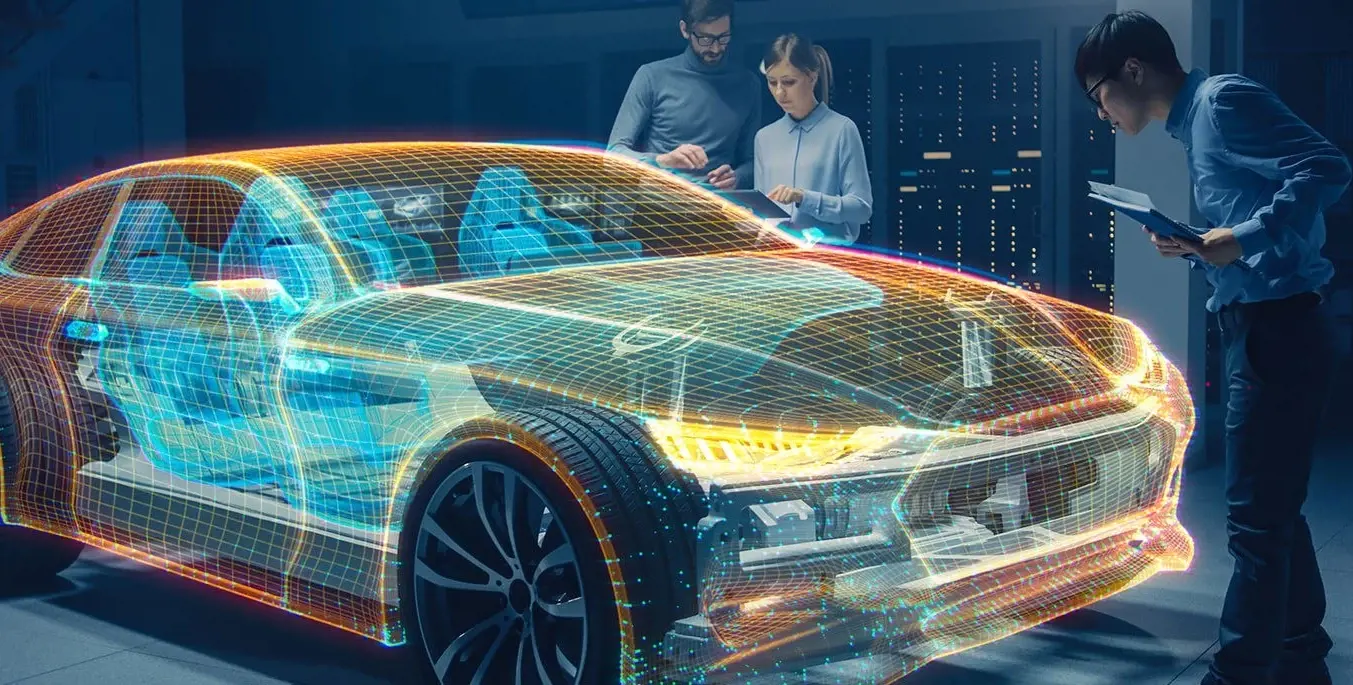
Many vehicle decisions depend on how electrical, mechanical, thermal, and control behaviors interact. System simulation helps teams understand whole-vehicle or multi-domain behavior, not just isolated physics.

Data continuity across engineering workflows
As models, designs, and requirements evolve, engineering teams need controlled access to the right data and decisions. Connected PLM and simulation workflows improve reuse, traceability, and collaboration.
Lightweighting and Structural Performance
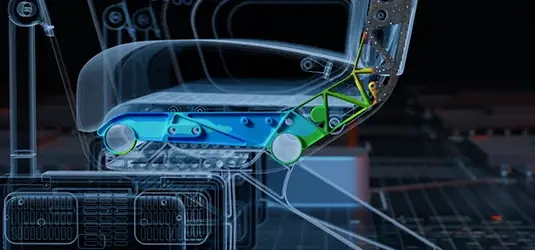
For body structures, chassis systems, battery-adjacent structures, and full assemblies, automotive teams often need a combination of model preparation, optimization, and fast structural validation.
Altair HyperMesh
Builds solver-ready FE models for structural, crash, and multiphysics workflows.
Explore capability →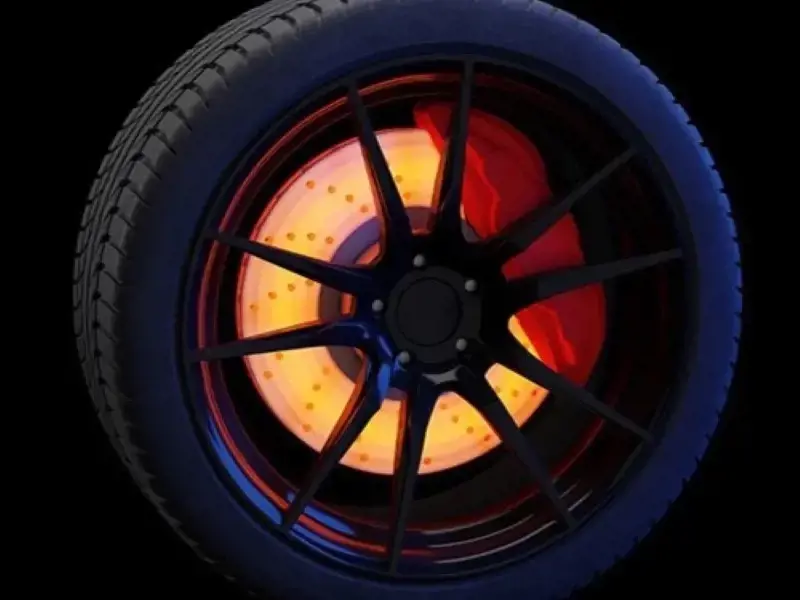
Altair OptiStruct
Supports structural analysis and lightweight optimization across stiffness, strength, and mass targets.
Explore capability →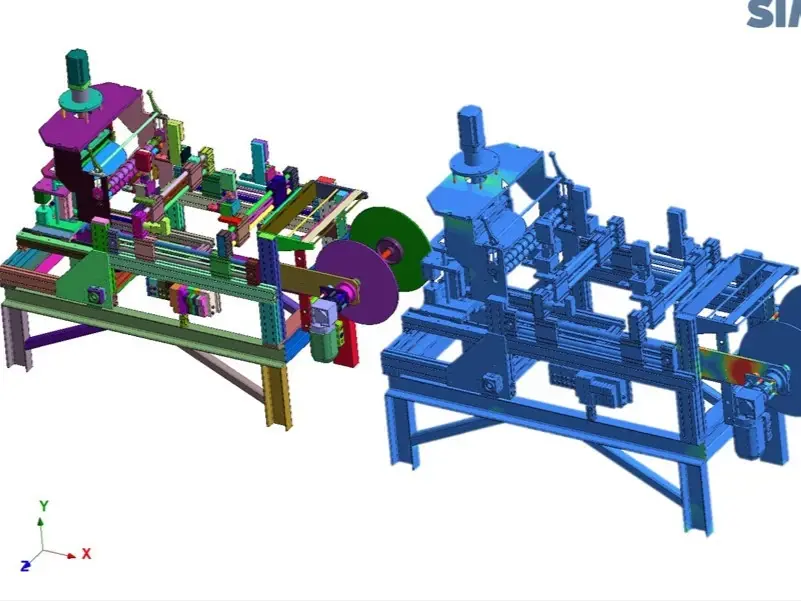
Altair SimSolid
Accelerates structural analysis on CAD assemblies without traditional meshing.
Explore capability →Crashworthiness and Impact
When the focus is crash, impact, and highly nonlinear structural events, teams need tools built for explicit safety simulation and rapid structural refinement.
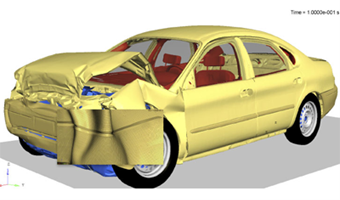
Altair Radioss
Simulates crash, impact, and explicit nonlinear events involving deformation, contact, and failure.
Explore capability →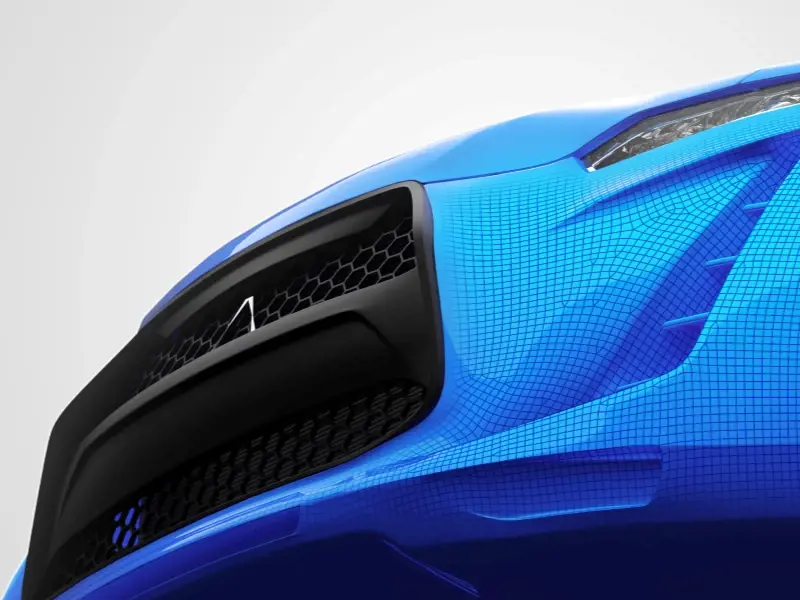
Altair HyperMesh
Supports preprocessing and model build for crash-ready FE workflows.
Explore capability →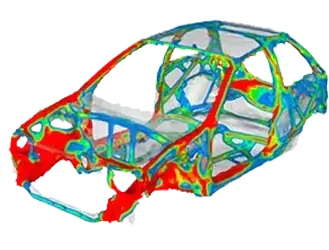
Altair OptiStruct
Helps refine structural concepts after crash findings drive redesign decisions.
Explore capability →Aerodynamics, Cooling, and Thermal Management
Vehicle performance depends on accurate evaluation of airflow, cooling, heat transfer, and thermal behavior across batteries, motors, electronics, and full vehicle systems.
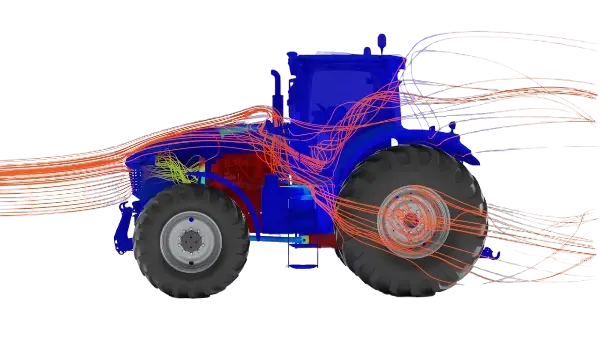
Altair CFD
Supports aerodynamics, thermal analysis, aero-acoustics, and broader fluid workflows.
Explore capability →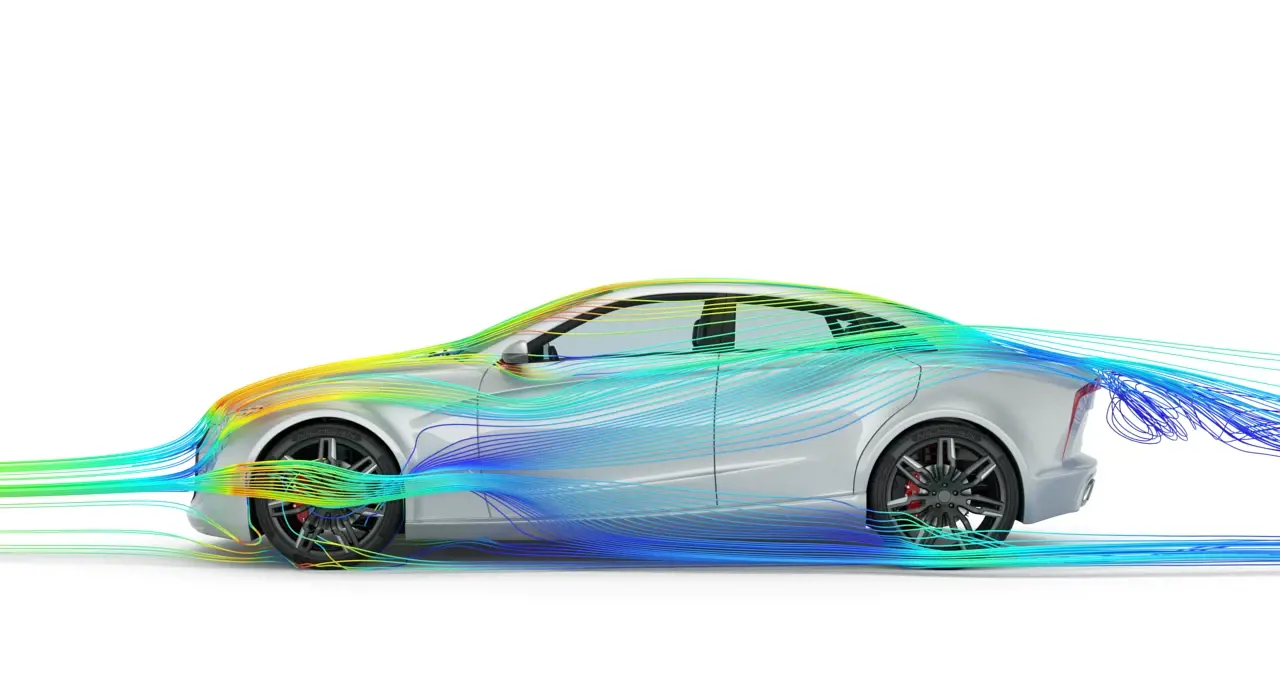
Altair HyperMesh CFD
Streamlines CFD geometry preparation, meshing, and setup.
Explore capability →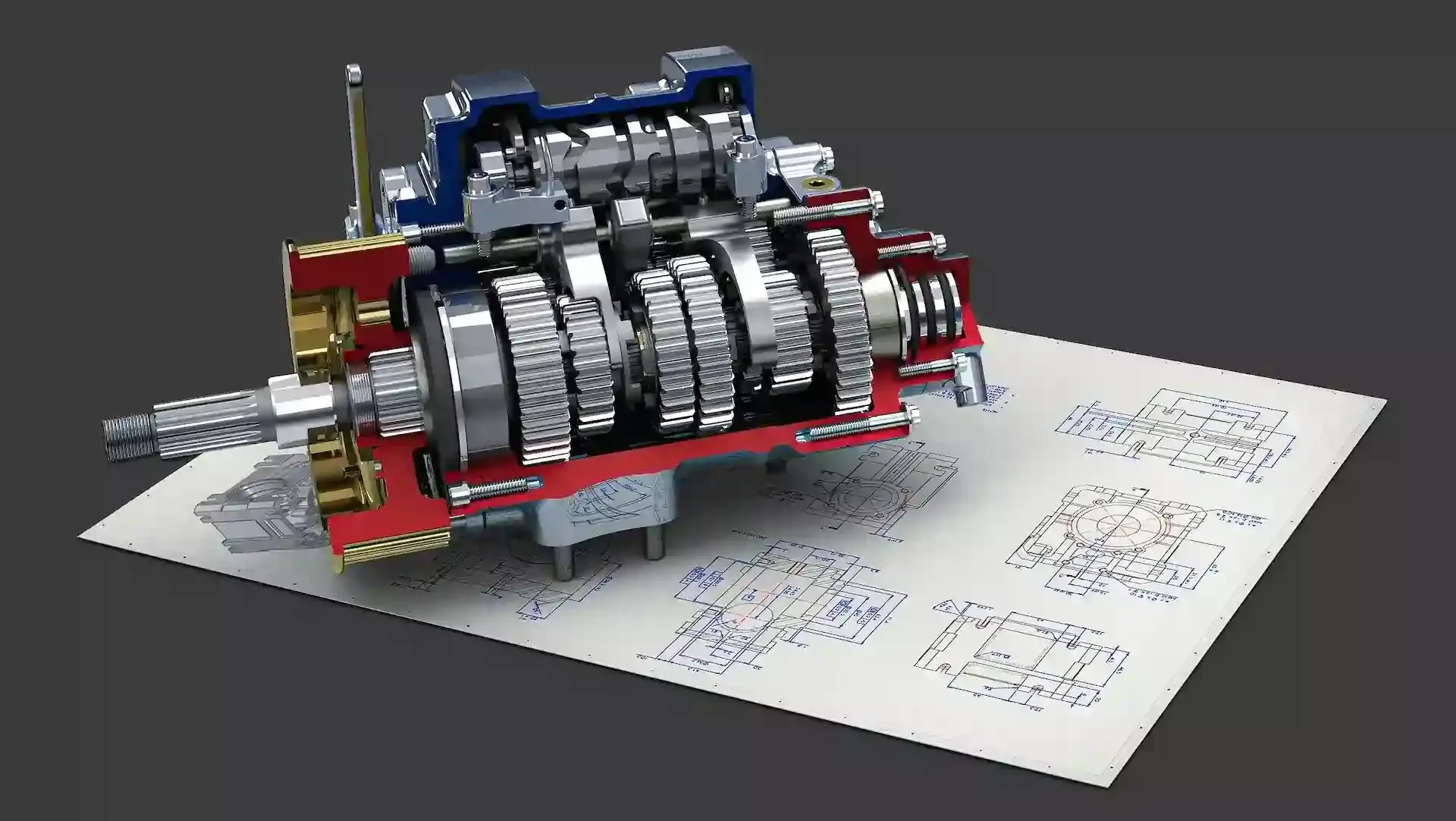
Altair SimLab
Supports CAD-connected multiphysics analysis for thermal, fluid, and structural workflows.
Explore capability →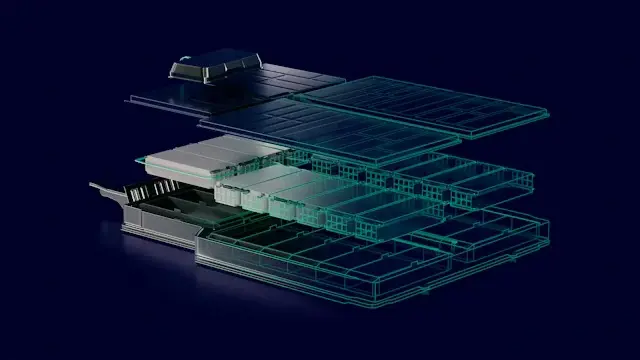
Siemens STAR-CCM+
Handles advanced CFD and multiphysics studies with strong automation and integrated workflows.
Explore capability →E-Motors, Inverters, Batteries, and Power Electronics
Electrified vehicle development requires connected analysis across electromagnetic behavior, thermal performance, controls, and system interaction.
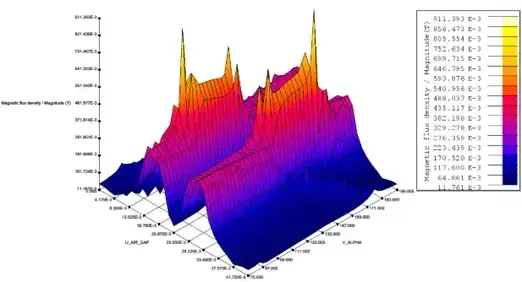
Altair Flux
Supports low-frequency electromagnetic and thermal simulation for motors, actuators, and electrification devices.
Explore capability →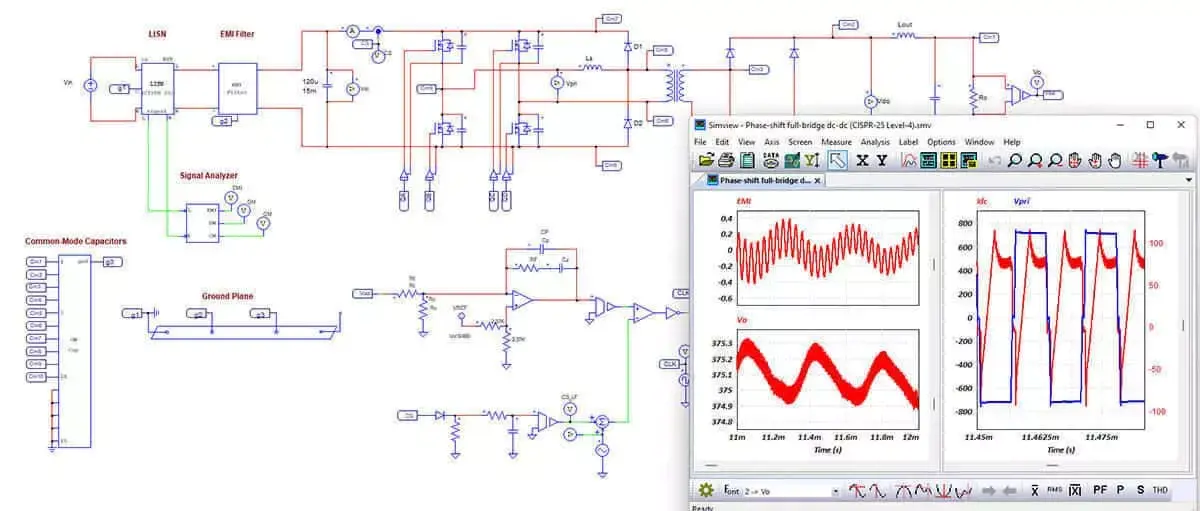
Altair PSIM
Simulates converters, inverters, motor drives, and EV-oriented power electronics.
Explore capability →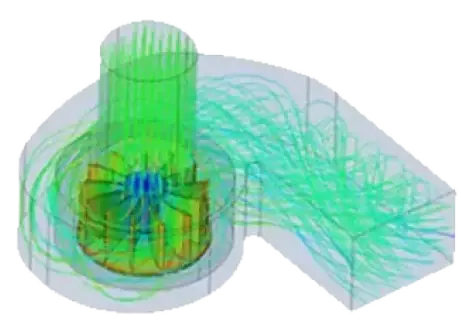
Altair SimLab
Supports battery-pack structural and thermal studies with CAD-associated workflows.
Explore capability →
Altair Twin Activate
Connects subsystem behavior through system simulation and digital twin workflows.
Explore capability →EMC, Antennas, and Connected Vehicle Electronics
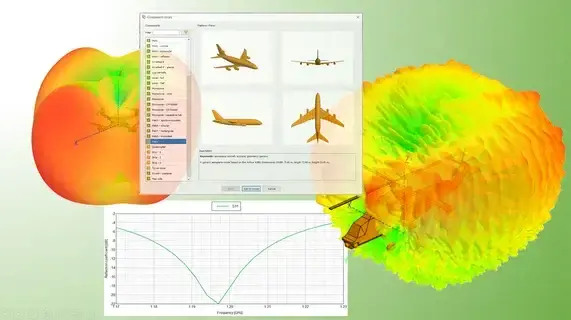
As vehicles add more wireless systems, sensors, and electronic density, EMC and antenna performance become core engineering concerns.

Controls, Systems, and Engineering Traceability
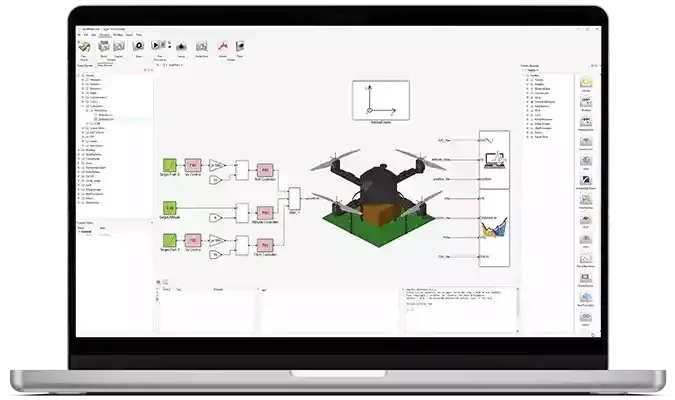
Automotive programs benefit from software that connects subsystem behavior with engineering data, collaboration, and program-level control.
Altair Twin Activate
Models dynamic system behavior across interacting subsystems.
Explore capability →
Siemens Teamcenter
Connects product data, engineering change, and collaboration across the vehicle program.
Explore capability →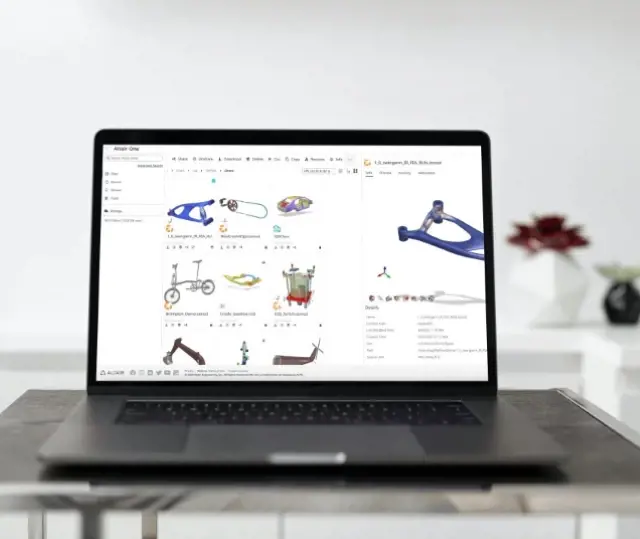
Engineering Software Platforms
Shows how simulation, PLM, and digital engineering platforms can work together.
Explore capability →Why Work With TrueInsight
Choosing automotive engineering software is not only about product selection. Teams also need guidance on workflow fit, deployment, adoption, and cross-functional integration.
TrueInsight supports automotive organizations with Altair and Siemens software selection, technical guidance, onboarding, implementation, and ongoing engineering support. That helps teams move from isolated tools to connected development workflows.
Articles & Resources
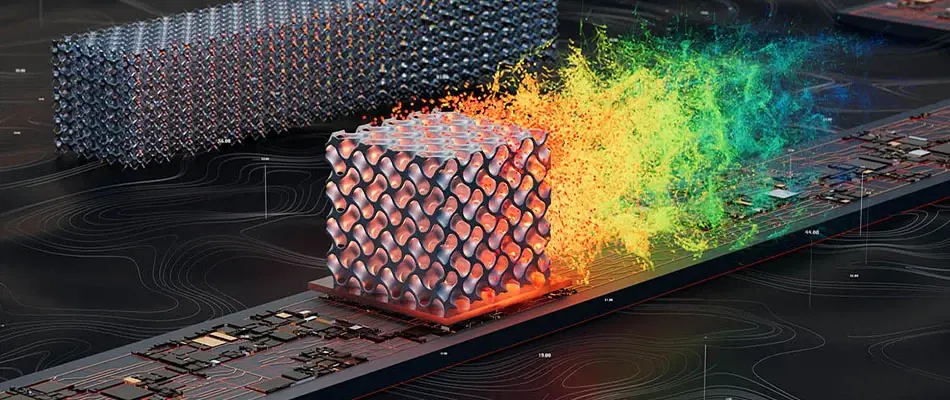
Structural Analysis Software
Explore structural, nonlinear, vibration, and optimization workflows for vehicle development.
Explore capability →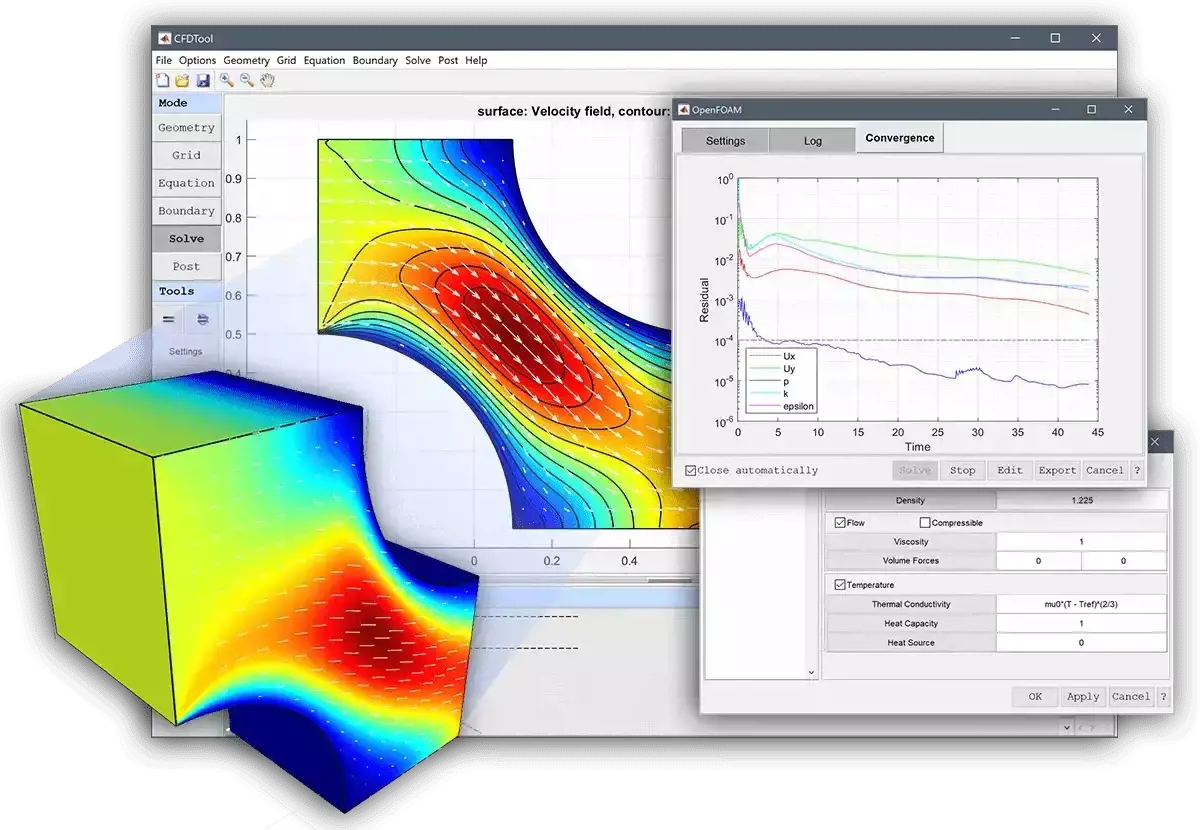
CFD & Thermal Simulation Software
Learn more about airflow, cooling, and thermal-performance workflows.
Explore capability →
Electromagnetic Simulation Software
Explore tools for EMC, antennas, and high-frequency electromagnetic analysis.
Explore capability →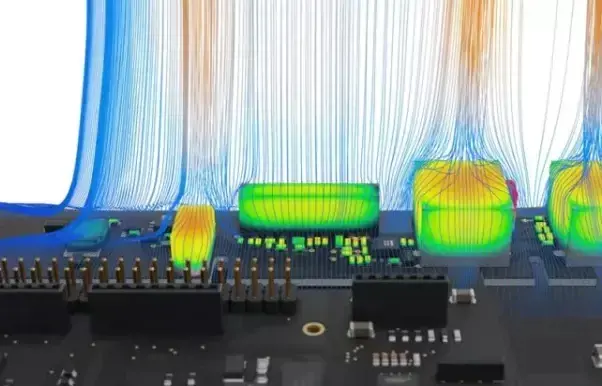
Electronics & Systems Engineering
Connect controls, power electronics, and system-level simulation workflows.
Explore capability →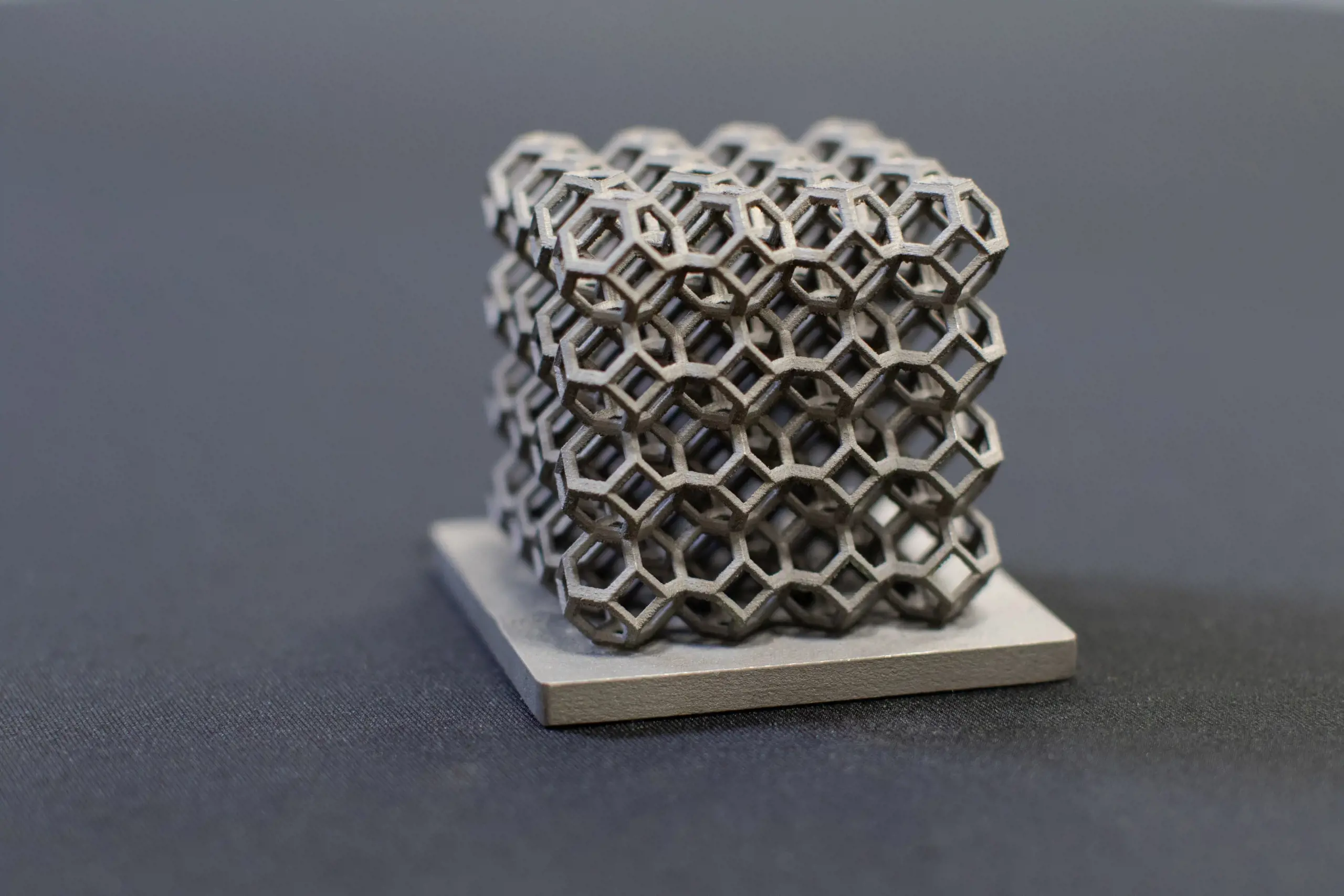
Manufacturing Analysis
Extend development workflows into manufacturability and process simulation.
Explore capability →Frequently Asked Questions
Automotive lightweighting workflows often combine FE model preparation, structural analysis, and optimization. Tools such as HyperMesh, OptiStruct, and SimSolid help teams evaluate structural efficiency earlier and iterate faster.
Crash simulation helps teams evaluate impact response, deformation, contact, and failure behavior before physical testing. It is especially important for safety development and battery-adjacent structural analysis in electrified vehicles.
CFD helps teams study aerodynamics, cooling, heat transfer, battery thermal behavior, electronics cooling, and related fluid-driven performance issues. These workflows influence efficiency, reliability, and range.
Electric vehicle development often combines electromagnetic simulation, power electronics simulation, and system modeling. This supports motor behavior, inverter design, thermal interaction, and control strategy evaluation.
PLM helps connect design data, simulation workflows, revisions, and collaboration across the program. This improves traceability, reuse, and coordination between engineering teams.
Build the Right Automotive Engineering Workflow with TrueInsight
TrueInsight helps automotive teams identify the right Altair and Siemens tools for the job and support implementation with practical technical guidance.