
TrueInsight
Siemens/Altair Channel Partner
Menu



PhysicsAI Geometric Deep Learning
Accelerate engineering decisions with AI-powered simulation predictions.
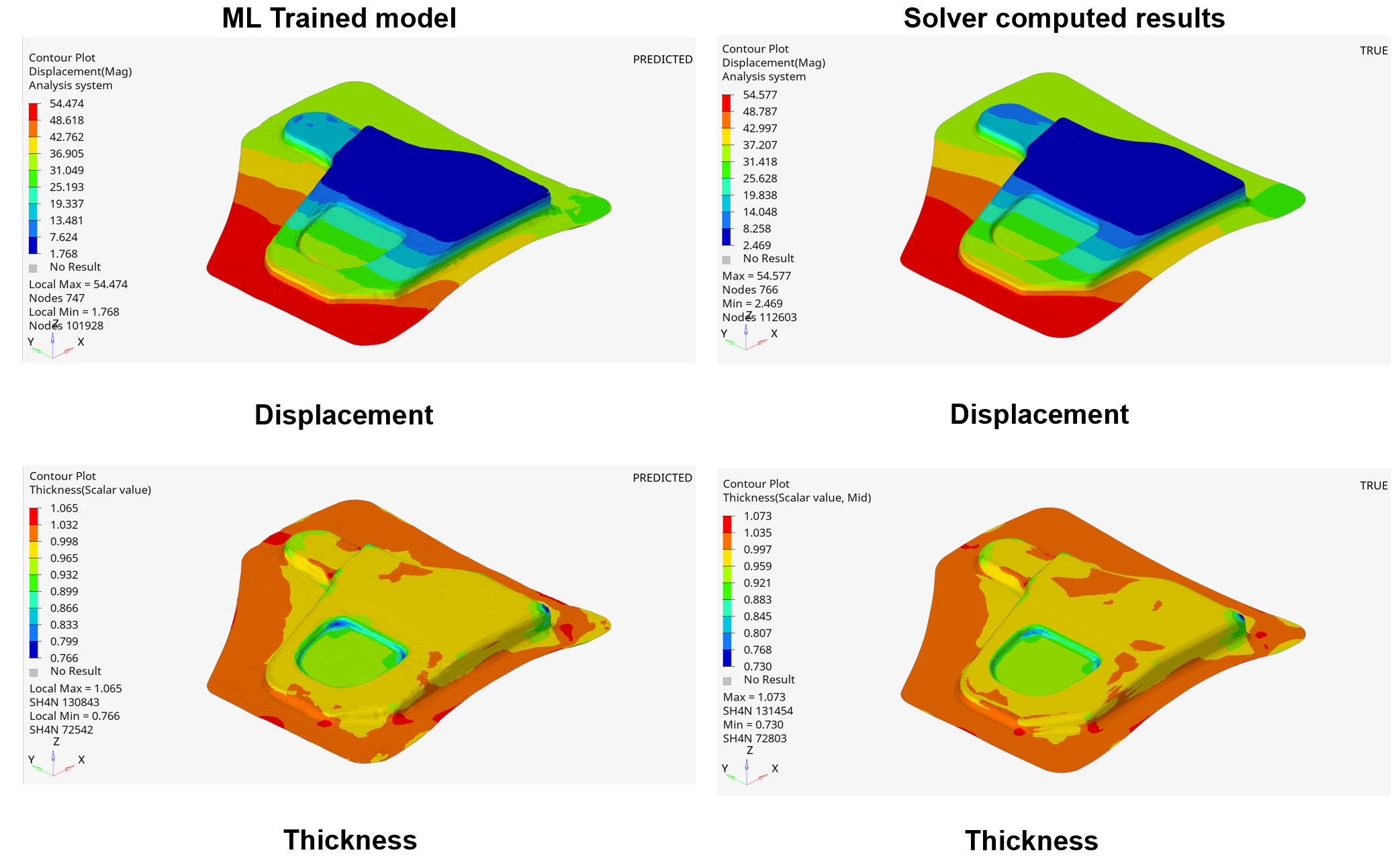
AI-Driven Simulation
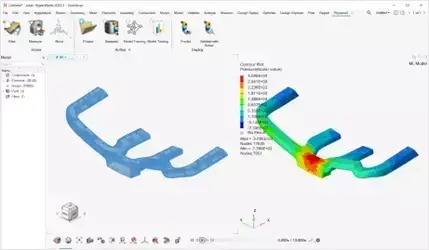
What is Altair PhysicsAI?
AI-powered physics predictions trained on your simulation data.
Altair PhysicsAI is an advanced CAE technology that uses geometric deep learning to generate fast physics predictions based on existing simulation data. By learning from past studies across different designs and programs, it enables engineers to evaluate new concepts without running full solver simulations. This allows faster iteration, earlier insights, and more efficient decision-making in engineering workflows.
Key Features of Altair PhysicsAI
AI-driven simulation, prediction, and optimization powered by engineering data.
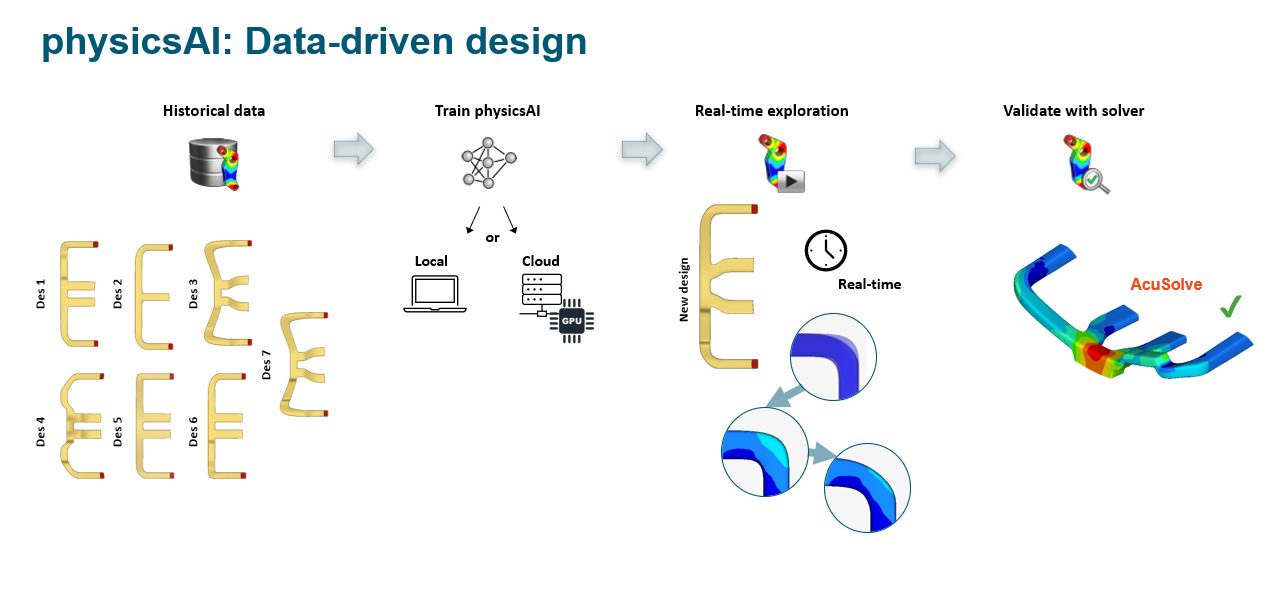
AI-Enhanced Simulation
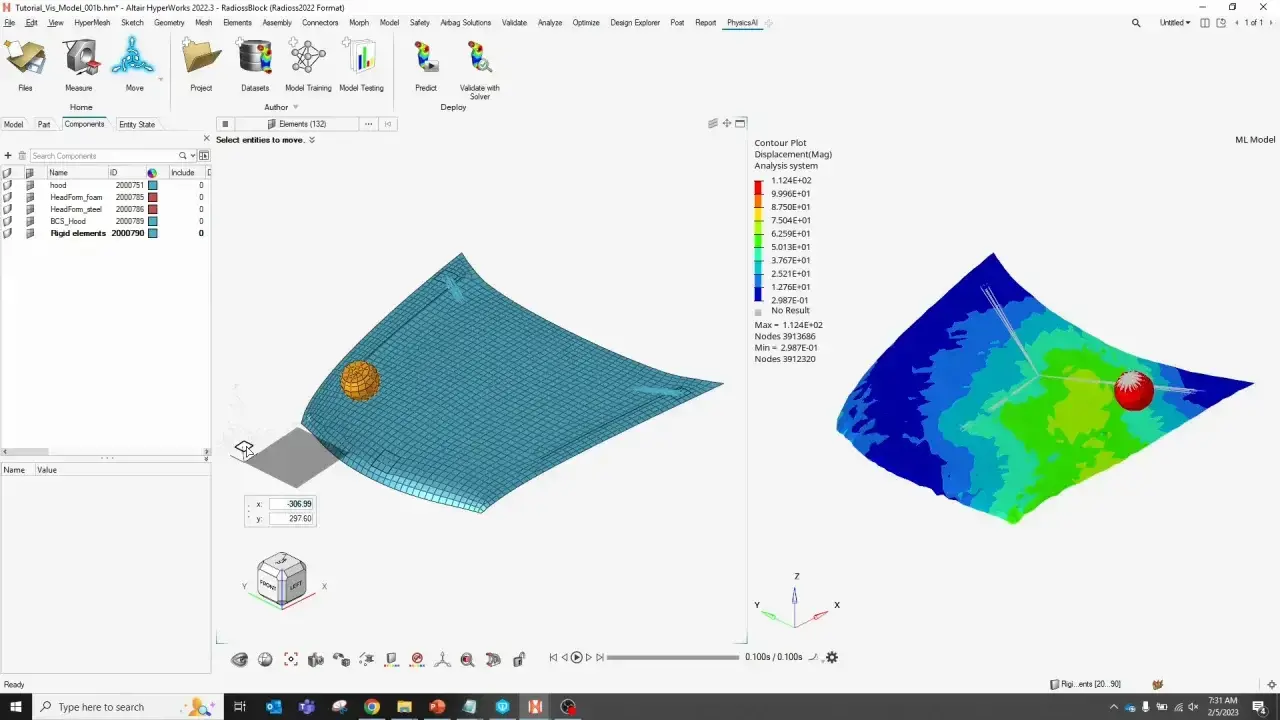
Altair PhysicsAI uses machine learning and geometric deep learning to generate fast, high-fidelity physics predictions from existing simulation data. Engineers can replace expensive full-scale simulations with AI-driven surrogate models while maintaining accuracy based on physical laws.
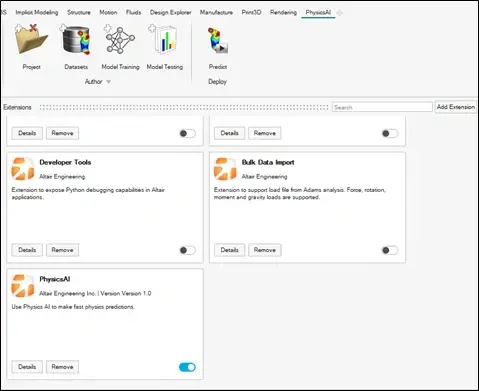
Seamless Integration with Altair Ecosystem
PhysicsAI integrates with Altair HyperWorks, SimLab, and Inspire, enabling AI-powered simulation directly within existing CAE workflows. It supports multiple physics domains, including structural, thermal, fluid, and electromagnetic analysis.
AI-Powered Optimization
Evaluate thousands of design variations in real time using AI-driven optimization. PhysicsAI enables multi-objective optimization, helping engineers identify optimal trade-offs, generate Pareto frontiers, and make faster, data-driven design decisions.
PhysicsAI Services

Expert Altair PhysicsAI Support and Engineering Services
Turn simulation data into fast, AI-driven engineering predictions.
TrueInsight provides Altair PhysicsAI licensing and expert support to help engineering teams transform existing simulation data into AI-powered predictive models. From onboarding and data preparation to model training and validation, we help you accelerate simulation workflows, reduce computational costs, and make faster, data-driven design decisions.
Learn More About Altair PhysicsAI
Guides, tutorials, and real-world applications of AI-driven simulation.

Step-by-Step Walkthrough: Using Altair PhysicsAI
Learn how to set up and run a simple study using Altair PhysicsAI. This step-by-step guide shows how to create AI-driven simulation models to reduce computation time and accelerate engineering workflows.
Explore capability →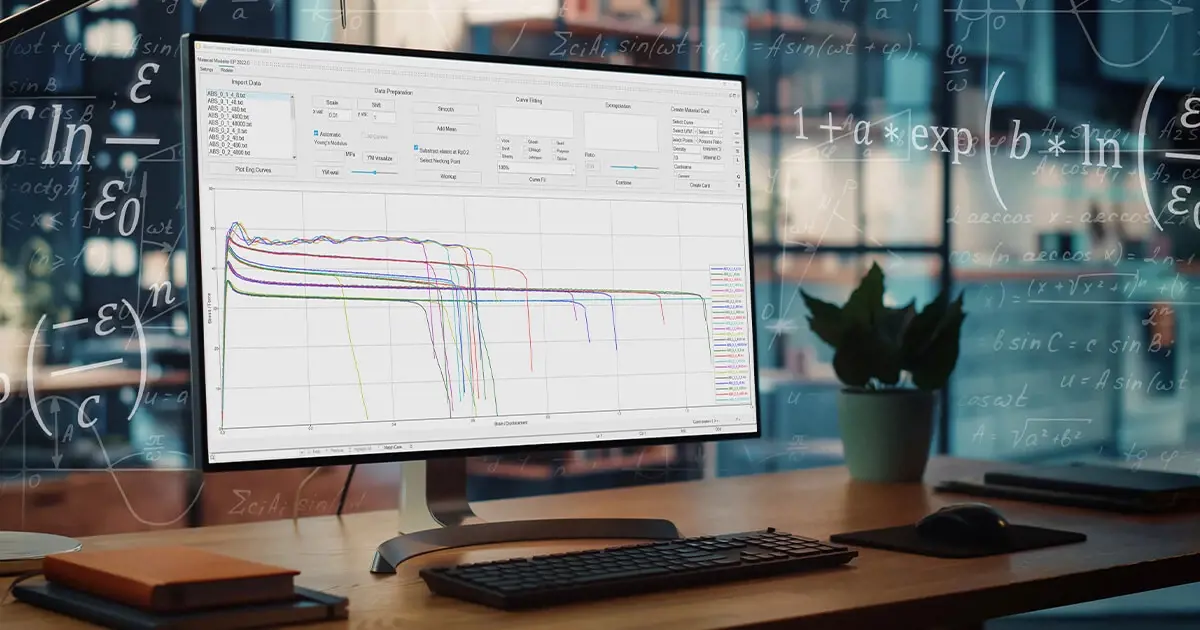
A Guide to Altair Simulation AI Tools
Explore how Altair PhysicsAI integrates with the HyperWorks platform to combine deep learning with physics-based simulation. This guide explains how engineers can leverage AI to enhance accuracy, speed, and decision-making in CAE workflows.
Explore capability →Frequently Asked Questions
Altair PhysicsAI learns from historical simulation data and uses geometric deep learning to generate predictions directly on CAD or mesh geometry. Unlike traditional parametric studies, it is not limited to predefined variables, allowing engineers to explore broader design spaces faster.
PhysicsAI works with both CAD geometry and mesh-based models. It can learn from existing simulation datasets across different designs, components, and programs, making it suitable for a wide range of engineering applications.
PhysicsAI models are trained using validated simulation data and incorporate physics-based principles to ensure consistency. Engineers can compare predictions with known simulation results and use validation workflows to confirm accuracy before making decisions.
No. PhysicsAI supports multiple physics domains, including structural, thermal, fluid, and electromagnetic simulations. This allows engineers to apply AI-driven predictions across different types of engineering problems.
Yes. PhysicsAI complements traditional solvers rather than replacing them. It is ideal for early-stage design exploration and rapid iteration, while full simulations are still used for final validation and certification.
PhysicsAI reduces simulation time from hours or days to seconds by generating instant predictions. This enables faster design iteration, earlier insights, and more efficient decision-making, helping teams accelerate product development.
Ready to take the next step with PhysicsAI?
Your simulations powered by AI, facilitated with True Insight.