
TrueInsight
Siemens/Altair Channel Partner
Menu



Engineering Simulation for Aerospace Design and Performance
Accelerate aircraft and space system development with advanced workflows for aerodynamics, structures, electromagnetics, and system-level validation.
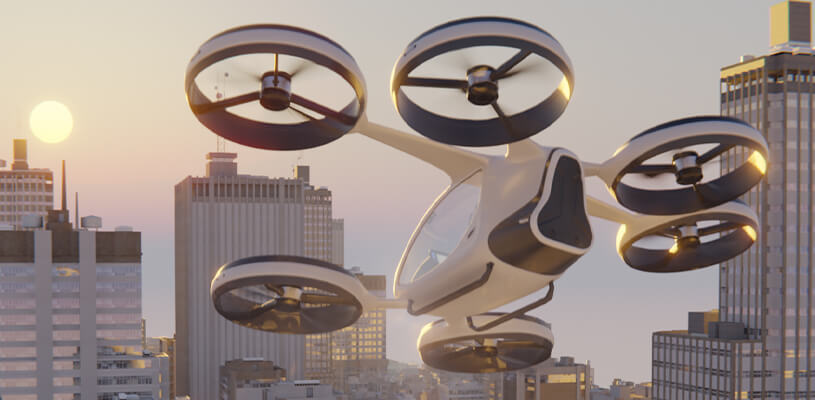
Engineering Capabilities for Aerospace
Powerful engineering solutions to accelerate design, validation, and performance optimization across aircraft, UAVs, and space systems.

Aerodynamic Simulation
Analyze airflow, lift, drag, and stability across aircraft, UAVs, and space vehicles to improve performance and efficiency.

Lightweight Structures and Optimization
Design and optimize aerospace structures for weight reduction while maintaining strength, durability, and compliance.
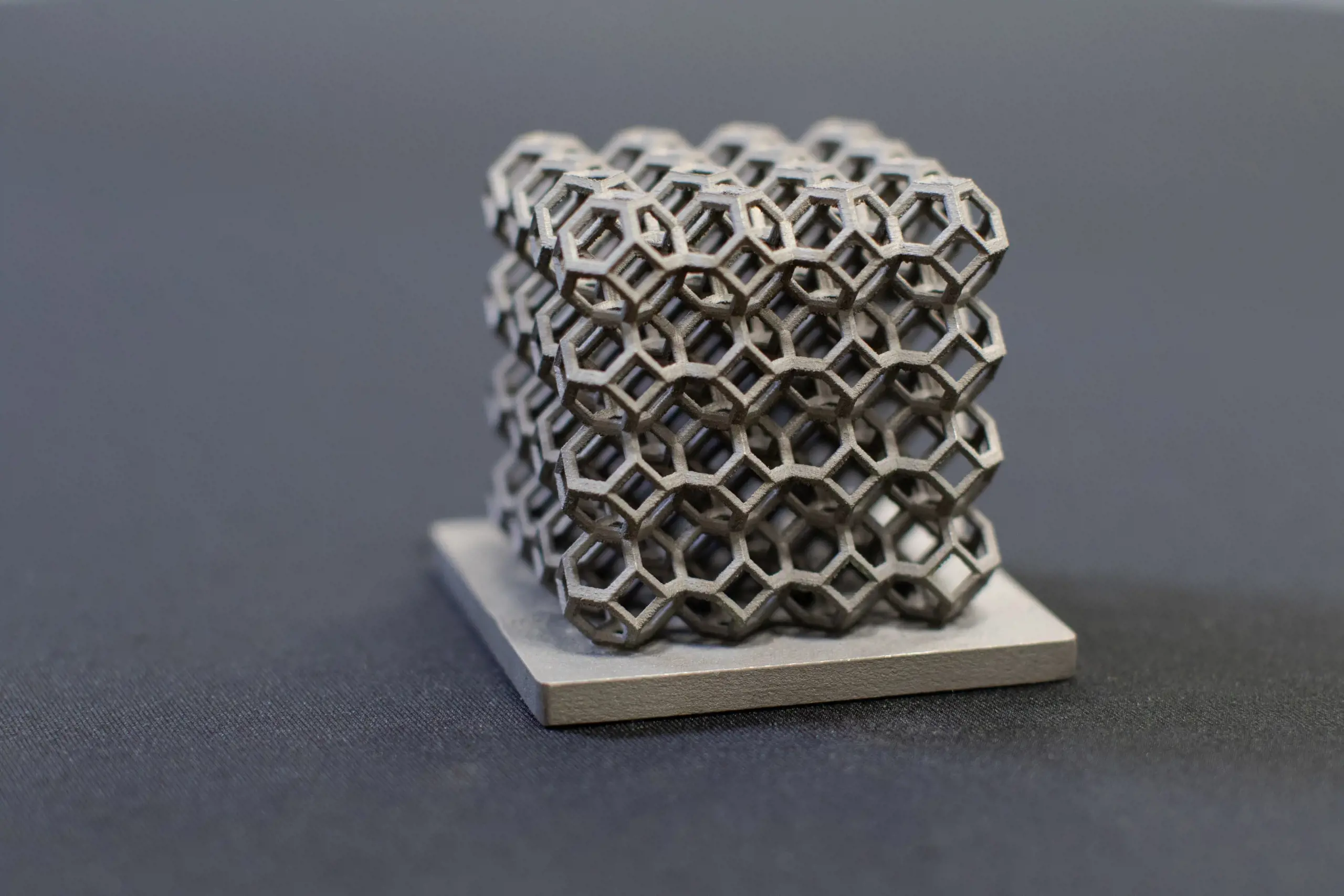
Composite and Advanced Materials
Simulate composite behavior, failure modes, and manufacturing constraints for high-performance aerospace components.

Electromagnetic and RF Systems
Design and validate antennas, radomes, and EMC/EMI performance for aerospace communication and defense systems.
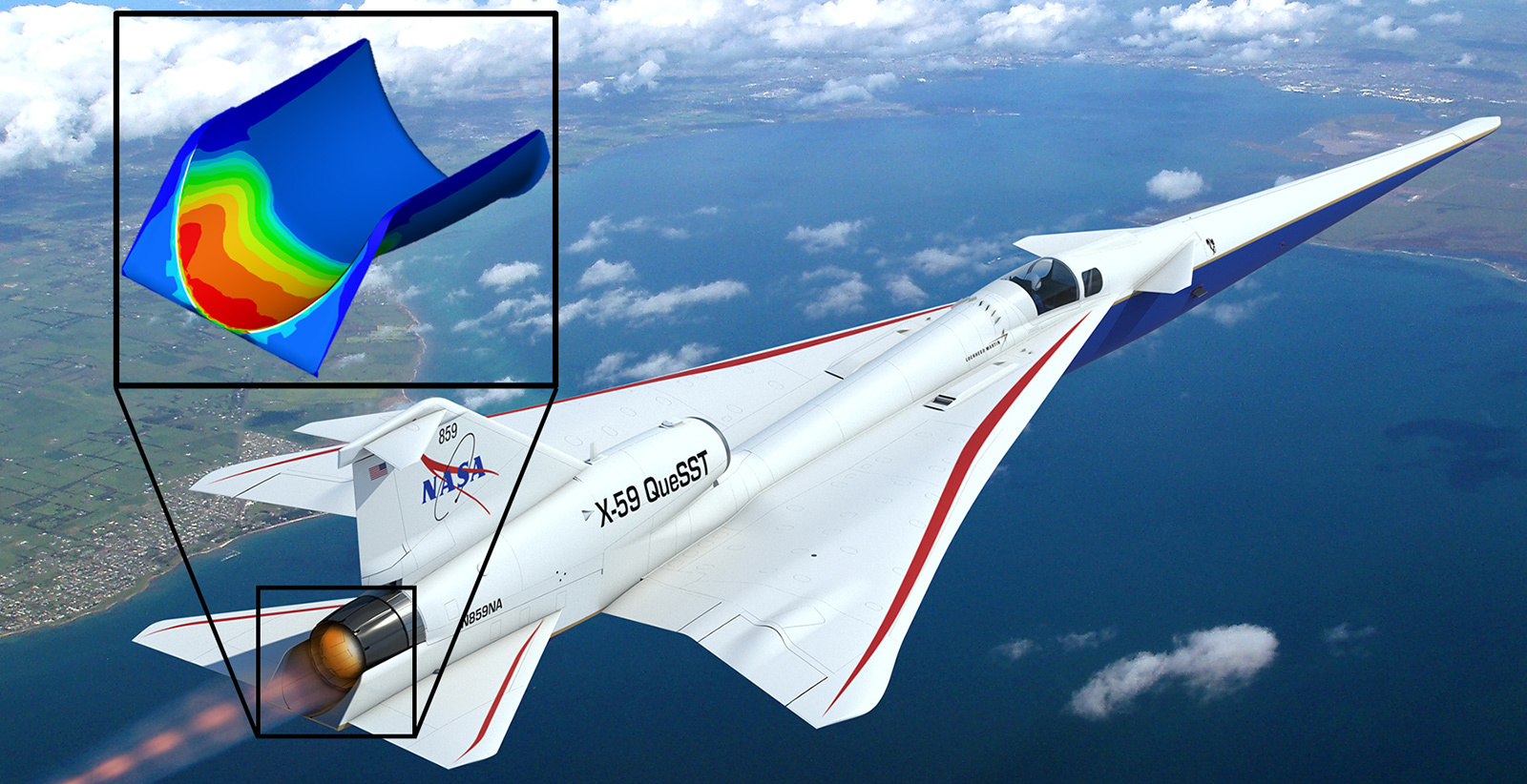
Thermal Management for Avionics
Evaluate heat dissipation and cooling strategies for onboard electronics, ensuring reliability in extreme environments.
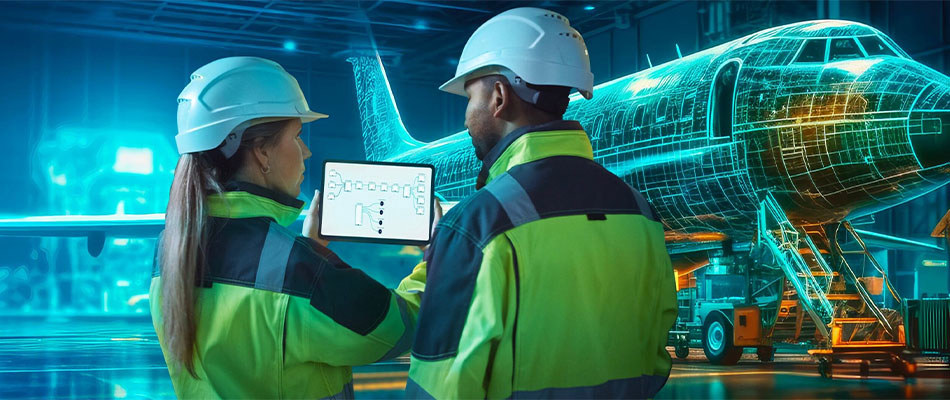
System Modeling and Digital Twins
Develop integrated system models to simulate controls, embedded systems, and full aircraft behavior across the lifecycle.
Aerospace Applications
Simulation-driven approaches to design, validate, and optimize aerospace systems across aviation, defense, and space programs.
Aircraft and UAV Aerodynamics
Simulate airflow, lift, drag, and stability to improve performance, fuel efficiency, and flight behavior across aircraft and unmanned aerial systems.
Lightweight Structures and Optimization
Develop high-performance aerospace structures with topology optimization, reducing weight while maintaining strength and safety requirements.
Composite Structural Workflows
Design and validate composite materials, accounting for anisotropic behavior, failure modes, and manufacturability constraints.
Antenna Placement and EMC Performance
Analyze antenna positioning, radomes, and electromagnetic compatibility to ensure reliable communication and compliance.
Thermal Management for Avionics
Evaluate heat transfer and cooling strategies for onboard electronics operating under extreme aerospace conditions.
System Simulation and Digital Twins
Model complete aerospace systems, including controls and embedded behavior, enabling validation through digital twin methodologies.
Digital Thread and Engineering Traceability
Connect design, simulation, and lifecycle data to ensure configuration control, traceability, and program-wide consistency.
Key Technologies for Aerospace Engineering
Explore the engineering technologies used to design, simulate, and validate modern aerospace systems across aerodynamics, structures, electronics, and system-level integration.
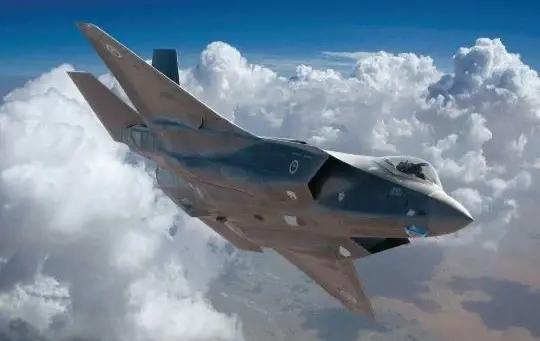
Aerodynamic Simulation
Simulate airflow, turbulence, lift, and drag to optimize aircraft and UAV performance. Improve aerodynamic efficiency using advanced CFD tools for aerospace design and validation.
Know More →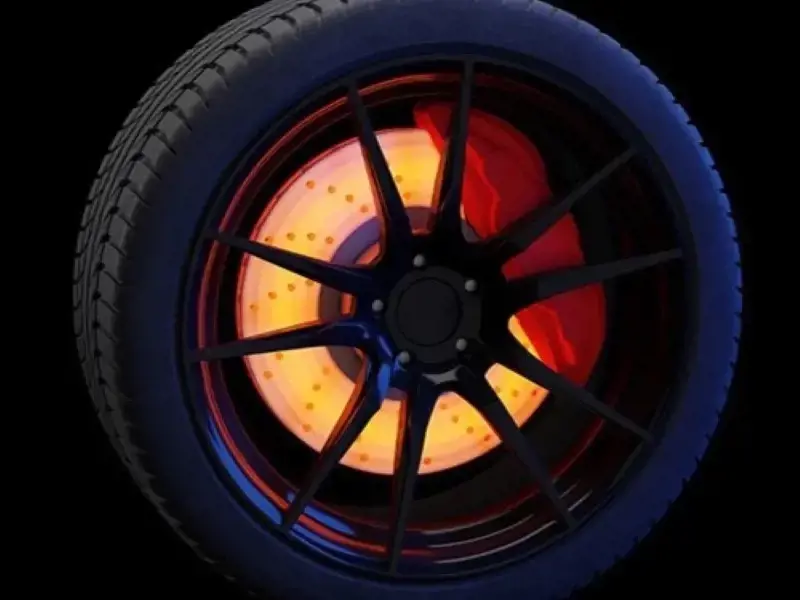
Structural Analysis and Optimization
Perform structural simulation, fatigue analysis, and lightweight optimization for aerospace components. Reduce weight while ensuring strength, safety, and regulatory compliance.
Know More →Composite Modeling
Design and validate composite aerospace structures, including laminate behavior, failure prediction, and manufacturing constraints for high-performance materials.
Know More →
Electromagnetic and RF Simulation
Analyze antenna placement, radomes, and electromagnetic compatibility (EMC/EMI) to ensure reliable aerospace communication and system performance.
Know More →_48956869.webp)
Thermal and Multiphysics Simulation
Simulate heat transfer, fluid flow, and multiphysics interactions affecting avionics, propulsion systems, and electronic components in aerospace environments.
Know More →.webp)
System Simulation and Digital Twin
Model complete aerospace systems, including controls and embedded behavior, using digital twins to validate performance across the full lifecycle.
Know More →Aerospace Development Workflow
Modern aerospace systems are developed through integrated workflows combining design, simulation, electronics, and lifecycle validation.
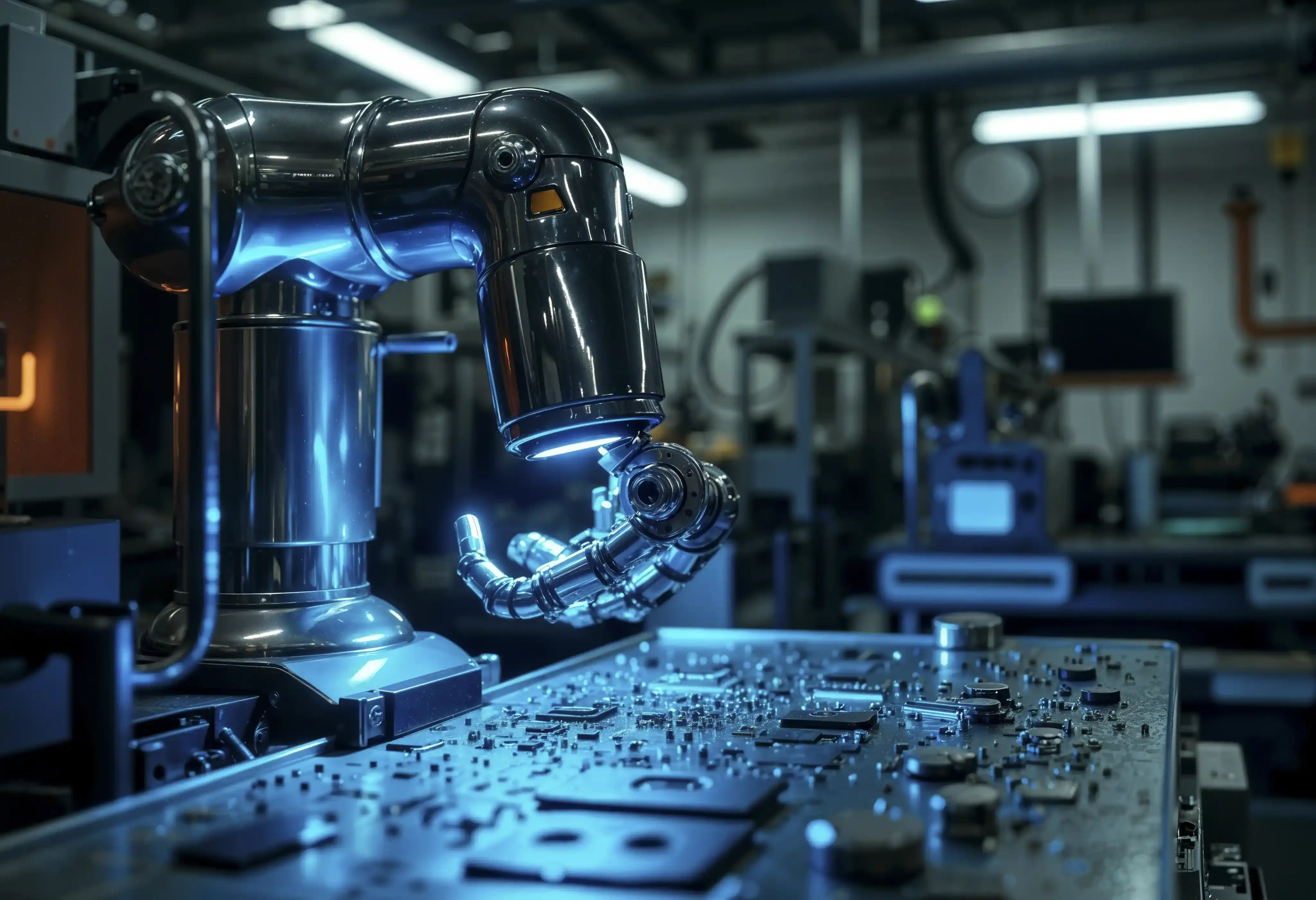
Concept Design
Create aircraft components and assemblies using advanced CAD tools, enabling early-stage design exploration and rapid iteration.
Know Solid Edge →
Structural Optimization
Apply topology optimization and simulation-driven design to reduce weight while ensuring strength and compliance with aerospace standards.
Know Inspire Structures →Multiphysics Simulation
Simulate aerodynamic, structural, thermal, and electromagnetic behavior to validate performance before physical testing.
Multiphysics Simulation →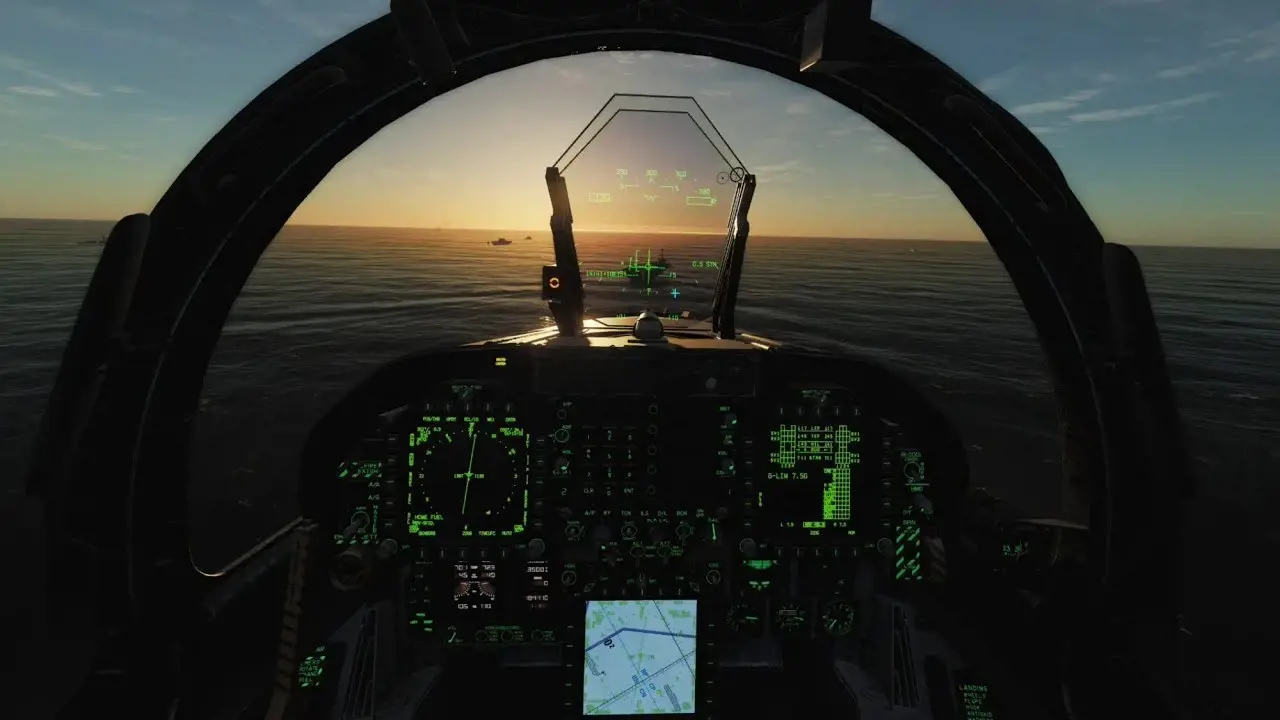
Avionics and Control Systems
Model embedded systems, control logic, and electronic components used in aerospace systems and onboard operations.
Electronics & Control Systems →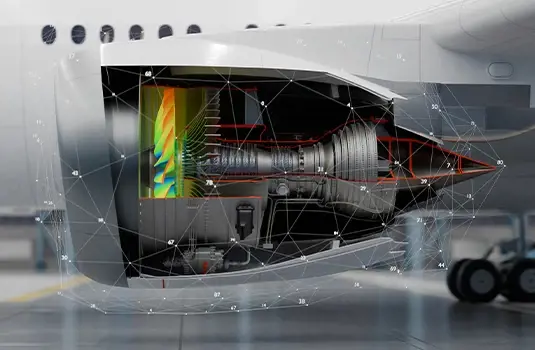
Manufacturing Validation
Validate manufacturability and production processes, including composites, additive manufacturing, and aerospace-specific constraints.
Manufacturing Validation →Aerospace Engineering Software FAQ
Aerospace engineering relies on advanced simulation tools for aerodynamics, structures, electromagnetics, and system modeling. Common solutions include CFD software for airflow analysis, structural solvers for stress and optimization, and RF tools for antenna and EMC validation.
Aerodynamic performance is analyzed using CFD (Computational Fluid Dynamics) tools that simulate airflow, turbulence, lift, and drag. These simulations help engineers optimize shapes, improve fuel efficiency, and validate performance before physical testing.
Engineers use topology optimization and finite element analysis (FEA) tools to design lightweight structures. These tools reduce weight while ensuring strength, fatigue resistance, and compliance with aerospace safety standards.
Electromagnetic simulation software is used to analyze antenna placement, radomes, and EMC/EMI behavior. This ensures reliable communication, avoids interference, and meets regulatory requirements in aerospace systems.
Simulation helps evaluate heat transfer, cooling strategies, and system interactions affecting avionics and onboard electronics. It ensures system reliability under extreme operating conditions.
A digital thread connects data across design, simulation, manufacturing, and operations. It enables traceability, configuration control, and better decision-making throughout the aerospace program lifecycle.
Ready to Optimize Your Aerospace Systems?
Discover how simulation-driven engineering can improve performance, reduce development time, and increase confidence in your designs.